Myths
Does Zinc Really Cut a Cold Short?
The evidence is limited but real, and the safety details matter more than most people realize.
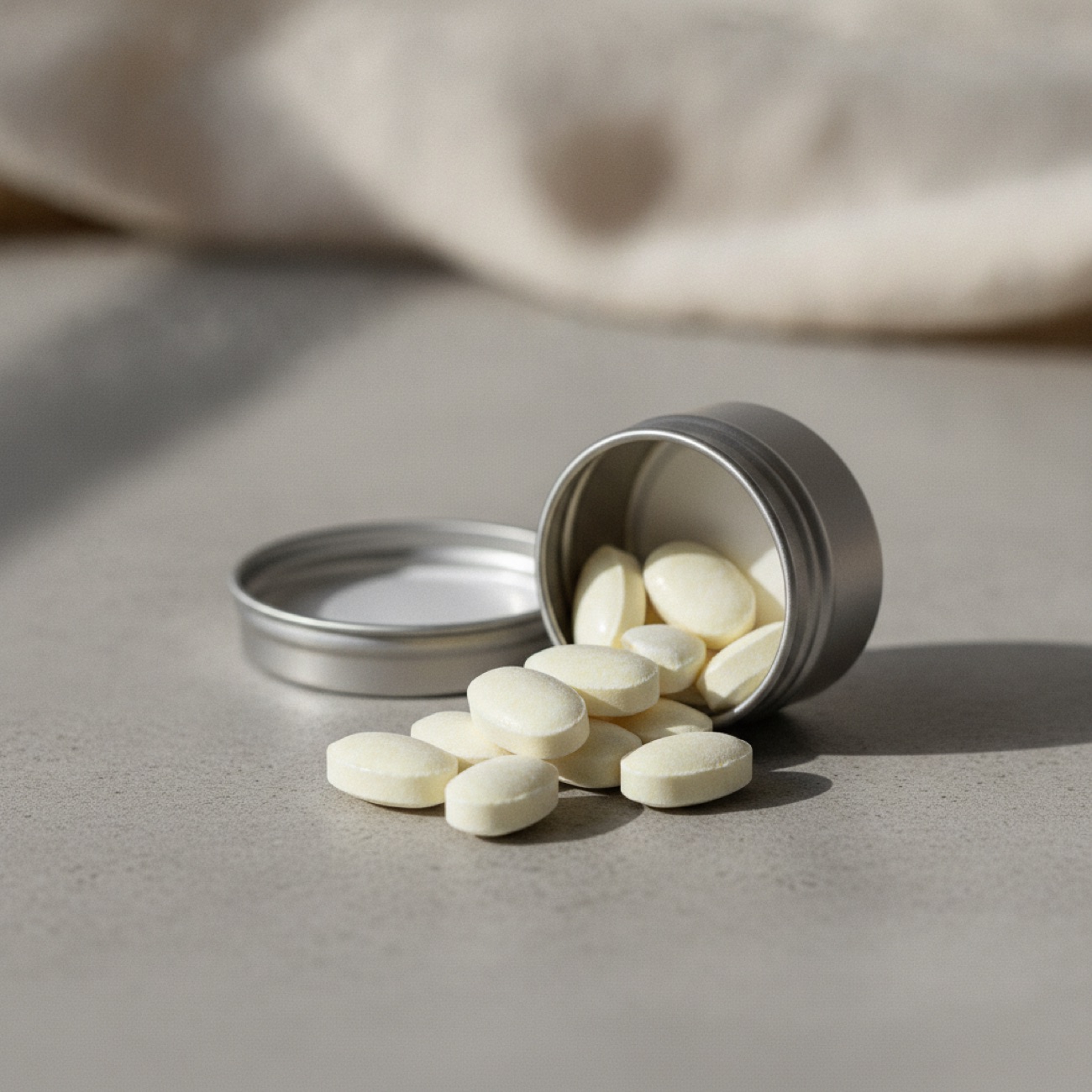
Short answer: Zinc in lozenge or syrup form taken shortly after cold symptoms begin may reduce how long a cold lasts, though the evidence for this is rated limited by the NIH Office of Dietary Supplements. It has not been shown to reduce how severe symptoms feel, and staying within safe dose ranges matters a great deal.
Why Zinc Comes Up in Cold Conversations
Zinc is an essential mineral that the NIH Office of Dietary Supplements describes as required for the catalytic activity of hundreds of enzymes, as well as for immune function, protein and DNA synthesis, wound healing, and cell division. That last point, immune function, is why researchers have been interested in whether extra zinc during a cold might help the body respond more quickly. The evidence rating for zinc's basic physiological roles is strong. The evidence rating for its effect on cold duration is a more cautious limited.
Limited does not mean the research is negative. It means the body of evidence is not yet large or consistent enough to draw firm conclusions. Some well-designed trials have shown a reduction in cold duration when zinc lozenges or syrup were started within 24 hours of the first symptoms. Others have shown smaller effects or no effect. Researchers continue to study factors such as zinc form, dose, and timing.
What the NIH Says About Cold Evidence
According to the NIH Office of Dietary Supplements, supplemental zinc in lozenge or syrup form taken shortly after cold onset may reduce the duration, but not the severity, of common cold symptoms. That is the full scope of the current finding. No claim that zinc treats or cures colds is supported by this evidence, and it is worth noting that zinc supplements are not intended to diagnose, treat, cure or prevent any disease and these statements have not been evaluated by the FDA.
If you are considering zinc lozenges at the start of a cold, the practical takeaway from the research is that timing appears to matter. Studies showing a benefit generally enrolled participants who began taking zinc within the first day of symptoms.
How Much Zinc Do Adults Actually Need?
The NIH Office of Dietary Supplements sets the daily target for zinc at 11 mg for adult men and 8 mg for adult women. Most people in the United States already consume adequate amounts of zinc through food, with good sources including red meat, poultry, beans, nuts, whole grains, and dairy products.
The Tolerable Upper Intake Level for adults is 40 mg per day from food and supplements combined. This upper limit is based on the level at which zinc begins to adversely affect copper status in the body. Copper is another essential mineral, and the two compete for absorption. It is important to note that the upper limit does not apply to individuals receiving zinc for medical treatment under the care of a physician.
When Zinc Becomes a Safety Concern
The gap between a typical cold remedy dose and a problematic dose is narrower than many people expect. According to the NIH Office of Dietary Supplements, doses of 50 mg or more per day over several weeks can reduce copper status and, importantly, can also reduce immune function. That is the opposite of what most people taking zinc for immune support are hoping for.
A single zinc lozenge often contains anywhere from 5 mg to 25 mg of elemental zinc. If you are taking multiple lozenges per day on top of a daily multivitamin that also contains zinc, it is easy to approach or exceed 40 mg without realizing it. Adding up all sources before starting a supplement routine is a reasonable habit. For personal dosing guidance, consult a clinician or pharmacist, as individual needs vary.
Drug Interactions You Should Know About
Zinc has several clinically meaningful interactions with medications. The NIH Office of Dietary Supplements identifies the following:
- Quinolone and tetracycline antibiotics (such as ciprofloxacin): Zinc in the gastrointestinal tract can inhibit absorption of both the zinc and the antibiotic. If you are prescribed one of these antibiotics, take it at least 2 hours before or 4 to 6 hours after taking a zinc supplement.
- Penicillamine (used for rheumatoid arthritis and Wilson disease): Zinc can reduce its absorption and action. Take zinc and penicillamine at least 1 hour apart.
- Thiazide diuretics such as chlorthalidone and hydrochlorothiazide: These medications increase urinary zinc excretion, which decreases serum zinc concentrations. People taking thiazide diuretics long term may want to discuss zinc status with their doctor.
- Iron supplements: Supplements containing 25 mg or more of elemental iron taken at the same time as zinc can reduce zinc absorption and plasma zinc concentrations. If you take both, spacing them apart is advisable.
If you take any prescription medication, talk to your doctor or pharmacist before adding a zinc supplement to your routine.
Other Areas Where Zinc Research Is Active
Cold duration is not the only area researchers are studying. For context, here is how the NIH Office of Dietary Supplements grades evidence in a few other areas:
- Age-related macular degeneration: AREDS-type supplements containing zinc plus copper and antioxidants slow progression in people at high risk of the advanced form. Evidence is rated moderate.
- Diarrhea in children in low-income countries: Zinc supplementation reduces the duration of acute diarrhea. Evidence is rated moderate.
- Pneumonia prevention in children in low-income countries: Zinc supplementation reduces incidence and prevalence where deficiency is common. Evidence is rated limited.
- Type 2 diabetes and HIV: Evidence that zinc supplementation benefits people in these groups is rated insufficient at this time.
The Bottom Line
Zinc plays a genuine and well-established role in immune function, which is why researchers have studied it in the context of the common cold. The current evidence suggests it may modestly shorten cold duration when taken in lozenge or syrup form at the start of symptoms, but that finding carries a limited evidence rating, meaning it is not yet definitive. Staying at or below the 40 mg per day upper limit set by the NIH Office of Dietary Supplements is important, because exceeding that level over time can actually work against the immune support you are seeking. Anyone on prescription medications, particularly antibiotics, diuretics, or penicillamine, should speak with a doctor or pharmacist before using zinc supplements.
Sources: NIH Office of Dietary Supplements Zinc Fact Sheets (Health Professional and Consumer versions) and the National Academies Dietary Reference Intakes report. Full references available at ods.od.nih.gov and nap.nationalacademies.org.
Sources
- S1.gov verifiedNIH Office of Dietary SupplementsZinc - Fact Sheet for Health Professionalsods.od.nih.gov/factsheets/Zinc-HealthProfessional/
- S2.gov verifiedNIH Office of Dietary SupplementsZinc - Fact Sheet for Consumersods.od.nih.gov/factsheets/Zinc-Consumer/
- S3.gov verifiedNational Academies of Sciences, Engineering, and Medicine (Institute of Medicine, Food and Nutrition Board)Dietary Reference Intakes for Vitamin A, Vitamin K, Arsenic, Boron, Chromium, Copper, Iodine, Iron, Manganese, Molybdenum, Nickel, Silicon, Vanadium, and Zincnap.nationalacademies.org/catalog/10026/