Iron forms
Ferrous Sulfate vs Iron Bisglycinate: Absorption, GI Side Effects, and Dosing
A plain-language comparison of two common iron supplement forms, grounded in NIH Office of Dietary Supplements data on absorption, tolerability, and safe dosing.
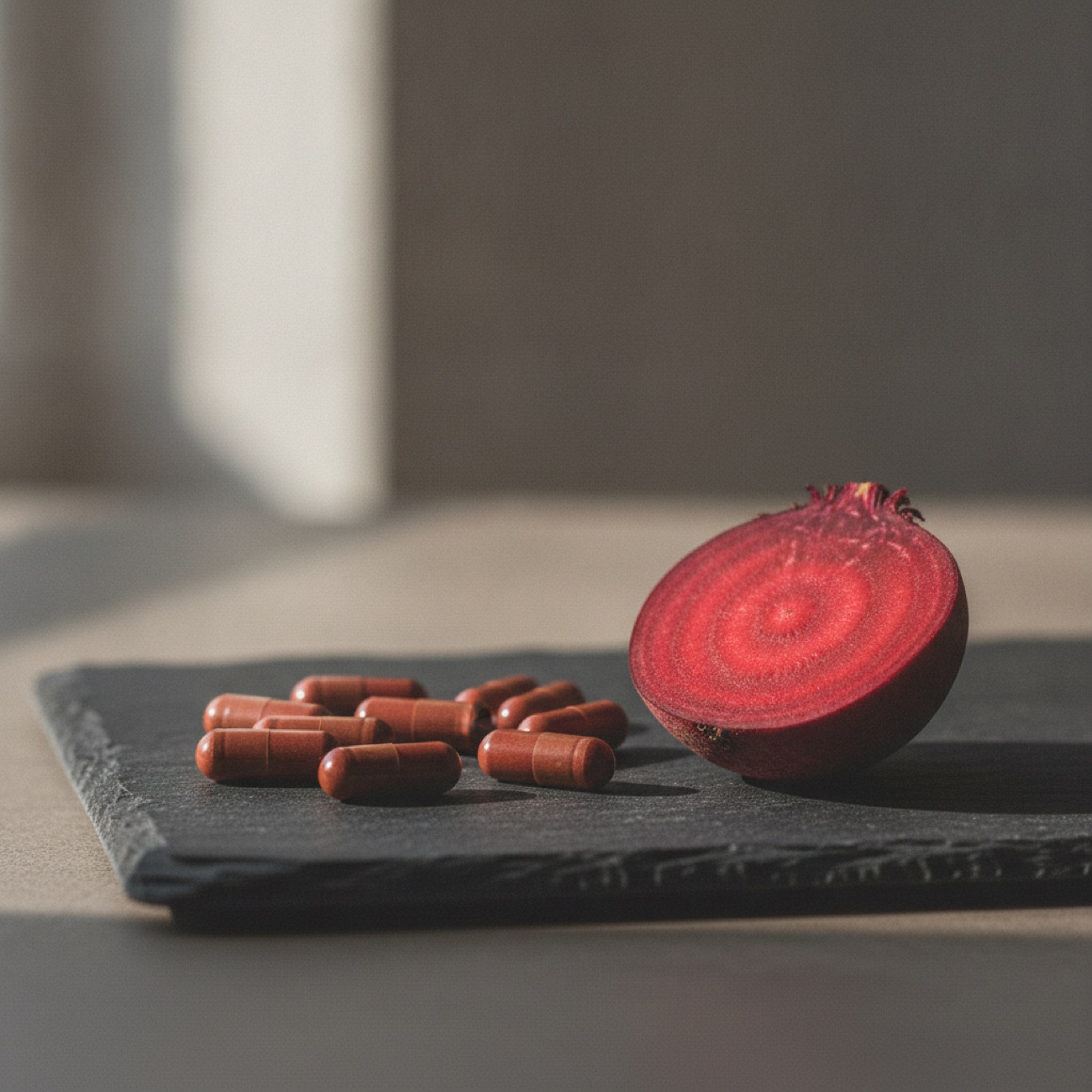
Ferrous sulfate and iron bisglycinate are two widely available forms of supplemental iron, and they differ meaningfully in how well the body absorbs them and how often they upset the stomach. Understanding those differences can help you have a more informed conversation with your clinician about which form, if either, is appropriate for you.
Why the Body Needs Iron
Iron is an essential mineral with several well-established physiological roles, according to the NIH Office of Dietary Supplements (ODS). It serves as a core component of hemoglobin, the red blood cell protein that carries oxygen from the lungs to the body's tissues. It also forms part of myoglobin, a protein that supplies oxygen to muscle and supports muscle metabolism and healthy connective tissue. Beyond oxygen transport, iron supports physical growth and neurological development.
The evidence base for these functions is strong, meaning it is supported by consistent findings across high-quality research, as reflected in the NIH ODS grading.
How Much Iron Do Adults Need?
Reference values below come from the NIH ODS and the National Academies Dietary Reference Intakes report.
- Men aged 19 to 50: 8 mg per day
- Women aged 19 to 50: 18 mg per day (higher to account for menstrual losses)
- Tolerable Upper Intake Level for adults: 45 mg per day from all sources combined, food and supplements included
The upper limit of 45 mg per day is based on gastrointestinal effects, not toxicity to organs. Higher doses are sometimes prescribed by clinicians to replenish iron stores in people with confirmed deficiency, but that decision belongs with a healthcare provider, not a supplement label.
Ferrous Sulfate: The Standard Form
Ferrous sulfate is the form most commonly used in clinical studies and is often the first choice recommended in pharmacy guidelines. It is an inorganic salt that releases ferrous iron (Fe2+) in the digestive tract, which is the form the small intestine absorbs most readily.
Its main drawback is gastrointestinal tolerability. Because ferrous sulfate releases iron quickly in the gut, unabsorbed iron can irritate the intestinal lining. Common complaints include nausea, constipation, stomach cramping, and dark stools. These effects are dose-dependent, meaning they tend to worsen at higher doses.
Taking ferrous sulfate with food can reduce stomach upset, though it may also modestly reduce absorption. Some clinicians suggest starting at a lower dose and increasing gradually to improve tolerance.
Iron Bisglycinate: A Chelated Alternative
Iron bisglycinate is a chelated form, meaning the iron atom is bound to two glycine amino acid molecules. This structure is sometimes described as protecting the iron from competing substances in the gut that would otherwise block absorption, such as phytates from plant foods.
Several smaller studies suggest iron bisglycinate may cause fewer gastrointestinal side effects than ferrous sulfate at equivalent elemental iron doses. Some research also suggests comparable or higher absorption per milligram of elemental iron, though the overall evidence comparing the two forms directly is more limited than the evidence base for ferrous sulfate alone. Anyone reviewing product claims should keep that distinction in mind.
Iron bisglycinate supplements are not intended to diagnose, treat, cure or prevent any disease, and these statements have not been evaluated by the FDA.
Elemental Iron: The Number That Actually Matters
Supplement labels list the compound weight, not always the elemental iron content. Ferrous sulfate heptahydrate is roughly 20 percent elemental iron by weight, so a 325 mg tablet delivers about 65 mg of elemental iron. Iron bisglycinate products vary by manufacturer but commonly provide 25 mg to 36 mg of elemental iron per capsule.
When comparing products, look for the elemental iron figure on the Supplement Facts panel, and compare that number against the reference values and the 45 mg upper limit from the NIH ODS.
Drug and Supplement Interactions
Iron interacts with several common medications. The NIH ODS identifies the following interactions that are clinically relevant.
- Levodopa (found in Sinemet and Stalevo): iron supplements can reduce levodopa absorption, possibly through chelation, and may reduce its clinical effectiveness.
- Levothyroxine (Synthroid, Levoxyl, Tirosint, Unithroid): taking iron at the same time as levothyroxine can reduce thyroid hormone absorption and efficacy. Prescription labels advise separating iron by at least four hours.
- Proton pump inhibitors such as lansoprazole (Prevacid) and omeprazole (Prilosec): these drugs lower stomach acidity and can reduce nonheme iron absorption. People with iron deficiency may respond less well to iron supplements while taking them.
- Calcium: calcium may reduce the bioavailability of both nonheme and heme iron, though the NIH ODS notes this effect is not definitively established. Some experts suggest taking calcium and iron supplements at different times as a precaution.
If you take any prescription medication, talk to your doctor or pharmacist before adding an iron supplement to your routine.
What the Research Shows on Supplementation
The NIH ODS evidence summary for iron supplementation includes the following findings, with honest grading of the evidence strength.
- Daily iron supplementation reduces the risk of anemia and iron deficiency in pregnant women. Evidence grade: moderate.
- Iron supplementation helps frequent blood donors recover hemoglobin and iron stores faster. Evidence grade: moderate.
- Treating iron deficiency in people with chronic diseases such as heart failure may improve clinical outcomes. Evidence grade: limited.
No evidence grade currently supports the idea that supplemental iron improves outcomes in people who are not iron deficient. Supplementing without a confirmed need carries the risk of exceeding the 45 mg upper limit and causing gastrointestinal harm.
Practical Takeaways
- Both ferrous sulfate and iron bisglycinate supply elemental iron, but they differ in tolerability and the strength of the evidence behind them.
- The NIH ODS upper limit for adults is 45 mg of elemental iron per day from all sources. Check the elemental iron content on the label, not just the compound weight.
- Separate iron supplements from levothyroxine by at least four hours, and discuss levodopa or proton pump inhibitor use with a clinician before starting iron.
- Consult a clinician or pharmacist for personal dosing guidance, especially if you have a diagnosed condition or take prescription medications.
Population reference values from the NIH ODS provide a useful starting point, but they are not a substitute for individualized medical advice. A blood test measuring serum ferritin and hemoglobin is the appropriate way to determine whether iron supplementation is needed at all.
Sources
- S1.gov verifiedNIH Office of Dietary SupplementsIron - Health Professional Fact Sheetods.od.nih.gov/factsheets/Iron-HealthProfessional/
- S2.gov verifiedNIH Office of Dietary SupplementsIron - Consumer Fact Sheetods.od.nih.gov/factsheets/Iron-Consumer/
- S3.gov verifiedInstitute of Medicine (NASEM), Food and Nutrition BoardDietary Reference Intakes for Vitamin A, Vitamin K, Arsenic, Boron, Chromium, Copper, Iodine, Iron, Manganese, Molybdenum, Nickel, Silicon, Vanadium, and Zincnap.nationalacademies.org/catalog/10026