Prenatal
Folate and Iron Before Conception: Building Stores for Pregnancy
What the NIH evidence says about two nutrients that matter most in the months before you conceive.
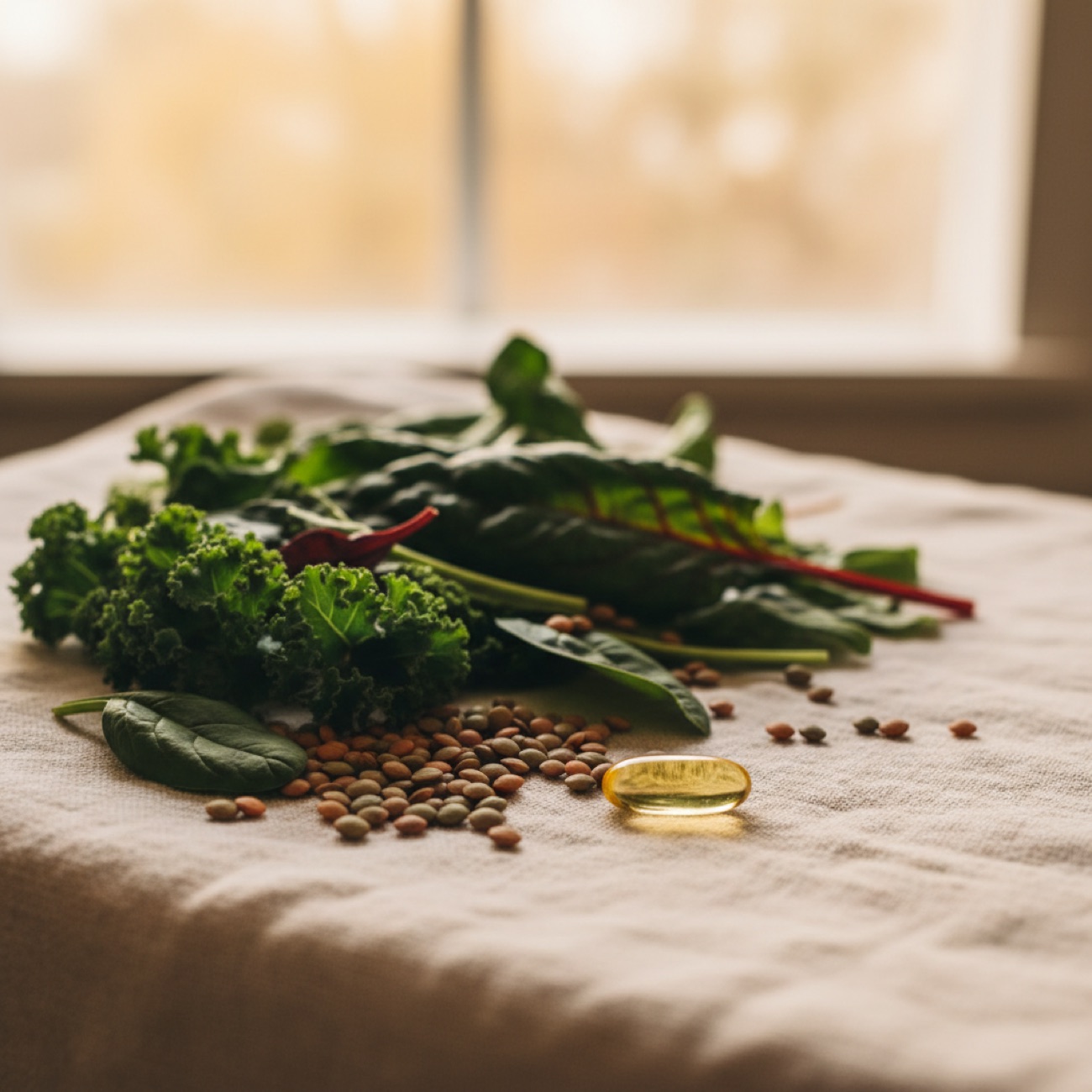
Short answer: Folate and iron are two nutrients that nutrition researchers and clinicians consistently highlight in the preconception period. Building adequate stores before pregnancy begins may support outcomes for both parent and baby, according to data from the NIH Office of Dietary Supplements (ODS).
Why the Preconception Window Matters
The earliest weeks of fetal development happen before many people know they are pregnant. The neural tube, which later becomes the brain and spinal cord, closes within the first 28 days after conception. Red blood cell volume also begins expanding early in pregnancy, increasing the body's demand for iron. Because these processes start so quickly, waiting until a positive pregnancy test to think about nutrition may mean missing a critical window. Building nutrient stores in the months before conception gives the body a head start.
Folate (Vitamin B9)
What it does
According to the NIH ODS, folate acts as a coenzyme or cosubstrate in single-carbon transfers that are required for the synthesis of DNA and RNA. It also supports the metabolism of amino acids, including the conversion of homocysteine to methionine in the synthesis of S-adenosyl-methionine, an important methyl donor. In addition, folate enables the methylation of deoxyuridylate to thymidylate in DNA formation, which is required for proper cell division. These roles make folate especially important during any period of rapid cell growth.
How much you need
The NIH ODS sets the Recommended Dietary Allowance for folate at 400 micrograms of Dietary Folate Equivalents (DFE) per day for adults. The Tolerable Upper Intake Level for synthetic folic acid from supplements and fortified foods is 1,000 mcg per day for adults. Folate found naturally in food and beverages has no established upper limit. These are population reference values. Talk to a clinician about the amount that is right for your personal situation.
What the evidence shows
The NIH ODS rates the evidence that adequate folic acid before conception and in early pregnancy helps prevent neural tube defects such as anencephaly and spina bifida as strong. This is one of the most consistently supported findings in prenatal nutrition research. Evidence that folate supplementation, alone or combined with other B vitamins, reduces stroke risk, especially in populations with low folate status, is rated moderate. Claims that folic acid supplements improve cognitive function or prevent dementia are rated insufficient by the NIH ODS. Evidence that periconceptional folic acid reduces the risk of autism spectrum disorder in offspring is also rated insufficient at this time.
Food sources
Foods naturally rich in folate include dark leafy greens such as spinach, legumes such as black-eyed peas and lentils, asparagus, Brussels sprouts, and avocado. In the United States, folic acid is also added to enriched bread, flour, pasta, rice, and breakfast cereals under a federal fortification program.
Safety and important cautions
Staying at or below the 1,000 mcg per day upper limit for synthetic folic acid is important unless a health care provider advises otherwise. A key concern noted by the NIH ODS is that high folic acid intake can mask a vitamin B12 deficiency and allow irreversible nerve damage to progress undetected. Anyone who may have low B12, including older adults and people who follow a vegan or vegetarian diet, should discuss this with a clinician before taking high-dose folic acid.
Several medications interact with folate. Methotrexate inhibits dihydrofolate reductase, and folate supplements can interfere with its use in cancer treatment. Antiepileptic medications such as phenytoin (Dilantin), carbamazepine (Carbatrol, Tegretol), and valproate (Depacon) can reduce blood folate levels, and folate supplements can in turn reduce blood levels of those medications. Sulfasalazine (Azulfidine), used for ulcerative colitis, inhibits intestinal folate absorption. If you take any of these medications, talk to your doctor or pharmacist before adding a folate supplement.
Iron
What it does
The NIH ODS describes iron as an essential component of hemoglobin, the red blood cell protein that carries oxygen from the lungs to the tissues throughout the body. Iron also forms part of myoglobin, a protein that supplies oxygen to muscle and supports muscle metabolism and healthy connective tissue. Beyond oxygen transport, iron supports physical growth and neurological development.
How much you need
The NIH ODS sets the Recommended Dietary Allowance for iron at 18 mg per day for women aged 19 to 50, reflecting the additional losses from menstruation. The RDA for men aged 19 to 50 is 8 mg per day. The Tolerable Upper Intake Level for iron from food and supplements combined is 45 mg per day for adults, based on gastrointestinal effects. Higher doses are sometimes prescribed by clinicians to replenish stores in people with confirmed deficiency. These are population reference values, not personal prescriptions. Consult a clinician for guidance specific to you.
What the evidence shows
The NIH ODS rates the evidence that iron is essential for hemoglobin formation and oxygen transport as strong. Evidence that daily iron supplementation reduces the risk of anemia and iron deficiency in pregnant women is rated moderate. Evidence that treating iron deficiency in people with chronic diseases such as heart failure improves clinical outcomes is rated limited.
Food sources
Iron comes in two forms. Heme iron, found in meat, poultry, and seafood, is absorbed more readily. Non-heme iron is found in fortified cereals, beans, lentils, tofu, and dark leafy greens. Eating a vitamin C-rich food alongside non-heme iron sources can improve absorption.
Safety and important cautions
Most adults in the United States who have normal intestinal function have very little risk of iron overload from food alone, according to the NIH ODS. Iron supplements can cause gastrointestinal side effects including constipation and nausea, particularly at higher doses. Several medications interact with iron. Iron can reduce the absorption of levodopa and levothyroxine (Synthroid, Levoxyl), and labels for levothyroxine advise separating iron by at least four hours. Proton pump inhibitors such as lansoprazole (Prevacid) and omeprazole (Prilosec) lower stomach acidity and can reduce non-heme iron absorption. Calcium may also reduce the bioavailability of both heme and non-heme iron, so some experts suggest separating calcium and iron supplements. Talk to your doctor or pharmacist before combining iron with any of these medications.
Putting It Together
Both folate and iron play well-defined physiological roles that are especially relevant in the months before and after conception. A balanced diet that includes a variety of vegetables, legumes, lean proteins, and fortified grains provides a foundation for both nutrients. Many clinicians recommend a prenatal vitamin that includes folic acid and iron for people who are planning a pregnancy, but the right approach depends on your individual health history, diet, and any medications you take. Please speak with a clinician or registered dietitian for personalized guidance.
Supplements are not intended to diagnose, treat, cure, or prevent any disease, and these statements have not been evaluated by the FDA.
Sources
- S1.gov verifiedNIH Office of Dietary Supplements (ODS)Folate - Health Professional Fact Sheetods.od.nih.gov/factsheets/Folate-HealthProfessional/
- S2.gov verifiedNIH Office of Dietary Supplements (ODS)Folate - Consumer Fact Sheetods.od.nih.gov/factsheets/Folate-Consumer/
- S3.gov verifiedNational Academies of Sciences, Engineering, and Medicine (Food and Nutrition Board)Dietary Reference Intakes for Thiamin, Riboflavin, Niacin, Vitamin B6, Folate, Vitamin B12, Pantothenic Acid, Biotin, and Cholineods.od.nih.gov/factsheets/Folate-HealthProfessional/
- S4.gov verifiedNIH Office of Dietary SupplementsIron - Health Professional Fact Sheetods.od.nih.gov/factsheets/Iron-HealthProfessional/
- S5.gov verifiedNIH Office of Dietary SupplementsIron - Consumer Fact Sheetods.od.nih.gov/factsheets/Iron-Consumer/