Interactions
Ginkgo Biloba Bleeding Risk and Interactions
What the NIH evidence actually says about ginkgo's safety, its effect on bleeding, and why it matters if you take any medication.
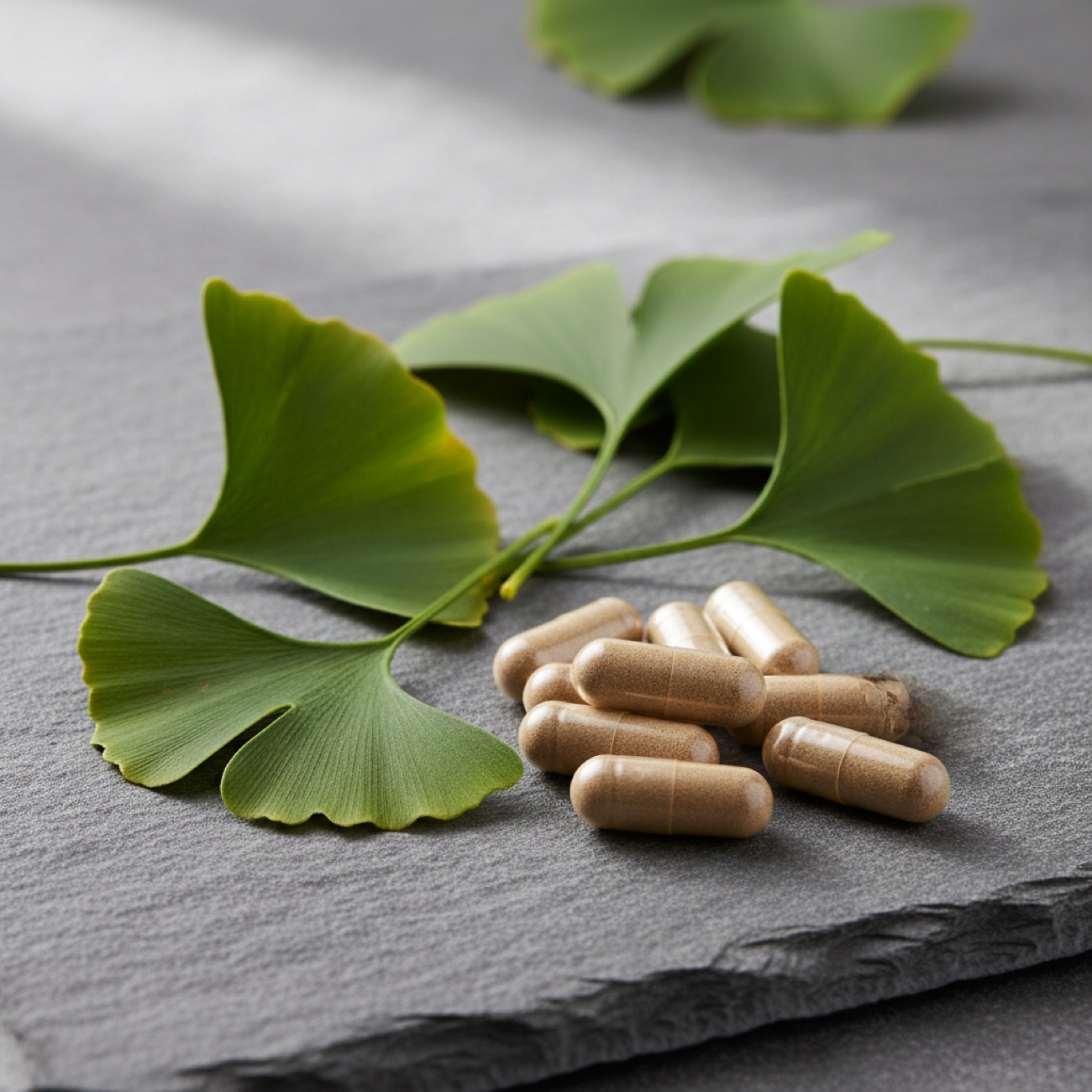
Short answer: Ginkgo biloba leaf extract is considered likely safe for most healthy adults when taken in moderate amounts, but the NIH Office of Dietary Supplements (ODS) notes it may increase bleeding risk, particularly in people who take anticoagulant or antiplatelet medications. If you take any prescription or over-the-counter drug, talk to a doctor or pharmacist before adding ginkgo to your routine.
What Is Ginkgo Biloba?
Ginkgo biloba is one of the most widely purchased herbal supplements in the world. It is derived from the leaves of the ginkgo tree and contains two main groups of plant compounds: flavonoids and terpene lactones. Manufacturers most often market it for memory, thinking, and circulation-related complaints. According to the NIH ODS, no adult target intake or upper tolerable limit has been formally established for ginkgo, which is different from vitamins and minerals that carry official Dietary Reference Intake values.
Supplements are not intended to diagnose, treat, cure, or prevent any disease, and these statements have not been evaluated by the FDA.
What the Evidence Actually Shows
Before reviewing safety, it helps to understand what research has and has not demonstrated about ginkgo's effects. The NIH ODS and the National Center for Complementary and Integrative Health (NCCIH) grade the evidence as follows:
- Preventing dementia or cognitive decline in older adults: Insufficient evidence. A large clinical trial (NCT00010803, listed on ClinicalTrials.gov) investigated this question and did not establish a preventive benefit.
- Improving cognitive performance in healthy people: Insufficient evidence. The NIH notes that the effect of ginkgo on cognition in healthy individuals is uncertain.
- Relieving symptoms of existing dementia: Limited evidence only. Some small studies suggest a possible modest effect, but the body of research is not strong enough to draw firm conclusions.
- Heart disease, high blood pressure, tinnitus, or multiple sclerosis: Insufficient evidence for all of these conditions.
- Anxiety, premenstrual syndrome, schizophrenia, vertigo, or stroke rehabilitation: Insufficient evidence across the board.
In plain terms, ginkgo has a long history of traditional use for circulation-related complaints, but modern research has not conclusively confirmed benefit for any of the conditions it is commonly marketed for.
Bleeding Risk: What You Need to Know
The most clinically significant safety concern associated with ginkgo is its potential to increase bleeding risk. The NIH ODS states directly that ginkgo may increase bleeding risk. Researchers believe this relates to the way ginkgo's active compounds may affect platelet function and blood clotting pathways, though the exact mechanism continues to be studied.
This matters most in two situations:
- Before surgery or dental procedures: Because ginkgo may affect clotting, many clinicians recommend stopping it in advance of any planned procedure. Ask your surgeon, dentist, or anesthesiologist for specific guidance on timing.
- During pregnancy: The NIH ODS advises that ginkgo may be unsafe during pregnancy because it might cause early labor or extra bleeding during delivery. Pregnant individuals should avoid ginkgo unless a qualified healthcare provider has reviewed their specific situation. The safety of ginkgo while breastfeeding has also not been established.
Drug Interactions
Ginkgo's potential effect on bleeding becomes especially important when it is combined with medications that also affect clotting. The NCCIH specifically advises consulting a healthcare provider before combining ginkgo with any medication.
Anticoagulant and Antiplatelet Drugs
The NIH ODS highlights this category as the most significant interaction concern. Ginkgo may increase the risk of bleeding in people taking anticoagulant or antiplatelet drugs such as warfarin (Coumadin), heparin, aspirin used for heart protection, clopidogrel (Plavix), and similar agents. Combining ginkgo with any of these medicines without medical supervision is not recommended.
Other Medications
The NIH also notes that ginkgo may interact with other drugs beyond anticoagulants. Because the full interaction profile has not been completely mapped in clinical research, the conservative approach is to treat ginkgo the same way you would any pharmacologically active substance. Always give your doctor and pharmacist a complete list of every supplement you take, not just prescription medications.
General Safety Profile
According to the NIH ODS, ginkgo leaf extract is likely safe for most adults when taken orally in moderate amounts. Studies lasting as long as six years have documented its use without serious adverse events in the majority of participants. Common side effects that have been reported include:
- Dizziness
- Gastrointestinal symptoms such as nausea, stomach upset, or diarrhea
- Headache
These effects are generally mild, but if you experience unusual bruising, prolonged bleeding from cuts, blood in urine or stool, or any sign of a serious reaction, stop use and contact a healthcare provider promptly.
Who Should Be Especially Cautious
- People taking any blood-thinning or antiplatelet medication
- People scheduled for surgery, a dental procedure, or any invasive medical treatment
- Pregnant or breastfeeding individuals
- People with bleeding disorders or a personal or family history of hemorrhagic stroke
- Anyone taking multiple medications or other herbal supplements simultaneously
Practical Takeaways
No adult target dose or upper limit for ginkgo has been established by regulatory or scientific bodies, according to the NIH ODS. This means there is no universally agreed-upon safe or effective amount. For personal dosing guidance, consult a clinician or pharmacist who can review your full health history and medication list.
If you are currently taking ginkgo and want to know whether it is appropriate for your situation, bring the product label to your next appointment. Your provider can help you weigh any potential benefit against the bleeding and interaction risks described here.
Sources
Information in this guide is drawn from the NIH Office of Dietary Supplements, the National Center for Complementary and Integrative Health (nccih.nih.gov/health/ginkgo), the NIH ODS supplement fact sheet database (ods.od.nih.gov/factsheets/list-all/), and the ClinicalTrials.gov record NCT00010803.
Sources
- S1.gov verifiedNIH National Center for Complementary and Integrative Health (NCCIH)Ginkgo: Usefulness and Safetywww.nccih.nih.gov/health/ginkgo
- S2.gov verifiedNIH Office of Dietary Supplements (ODS)Dietary Supplement Fact Sheets (list; no dedicated Ginkgo biloba DRI fact sheet, botanical has no Dietary Reference Intake)ods.od.nih.gov/factsheets/list-all/
- S3.gov verifiedNIH / U.S. National Library of Medicine (ClinicalTrials.gov)Ginkgo Biloba Prevention Trial in Older Individuals (GEM Study), NCT00010803clinicaltrials.gov/study/NCT00010803