Breastfeeding
Iodine Needs While Breastfeeding
Breastfeeding raises your iodine needs significantly, and understanding the numbers from the NIH can help you have a more informed conversation with your healthcare provider.
Breastfeeding mothers need more iodine than at any other point in adult life, because breast milk is the primary iodine source for a nursing infant. Getting the right amount supports both your thyroid function and your baby's developing brain and nervous system.
Why Iodine Matters During Breastfeeding
Iodine is an essential mineral that the body cannot make on its own. According to the NIH Office of Dietary Supplements (ODS), iodine serves as an essential building block of the thyroid hormones thyroxine (T4) and triiodothyronine (T3). These hormones regulate metabolic activity, protein synthesis, and enzymatic activity throughout the body. The evidence that iodine is required for normal thyroid function is rated Strong by the NIH ODS.
For infants, the stakes are especially high. The NIH ODS notes, with Strong evidence, that adequate iodine is required for normal fetal and infant brain and neurological development, and that severe deficiency causes irreversible harm. When you breastfeed, your body actively concentrates iodine into breast milk to meet your baby's needs, which is why your own daily requirement rises.
How Much Iodine Do Breastfeeding Mothers Need?
The NIH ODS publishes Dietary Reference Intake values for iodine across life stages. The figures below reflect those reference values and apply to the general healthy population.
- Standard adult target: 150 micrograms (mcg) per day
- Breastfeeding target: 290 mcg per day
- Upper tolerable intake level (UL) for adults: 1,100 mcg per day
The breastfeeding target of 290 mcg per day is nearly double the standard adult amount, reflecting how much iodine passes into breast milk. These are population reference values. Your personal needs may differ based on your diet, thyroid health, and other factors, so please consult a clinician or registered dietitian for guidance specific to you.
Food Sources of Iodine
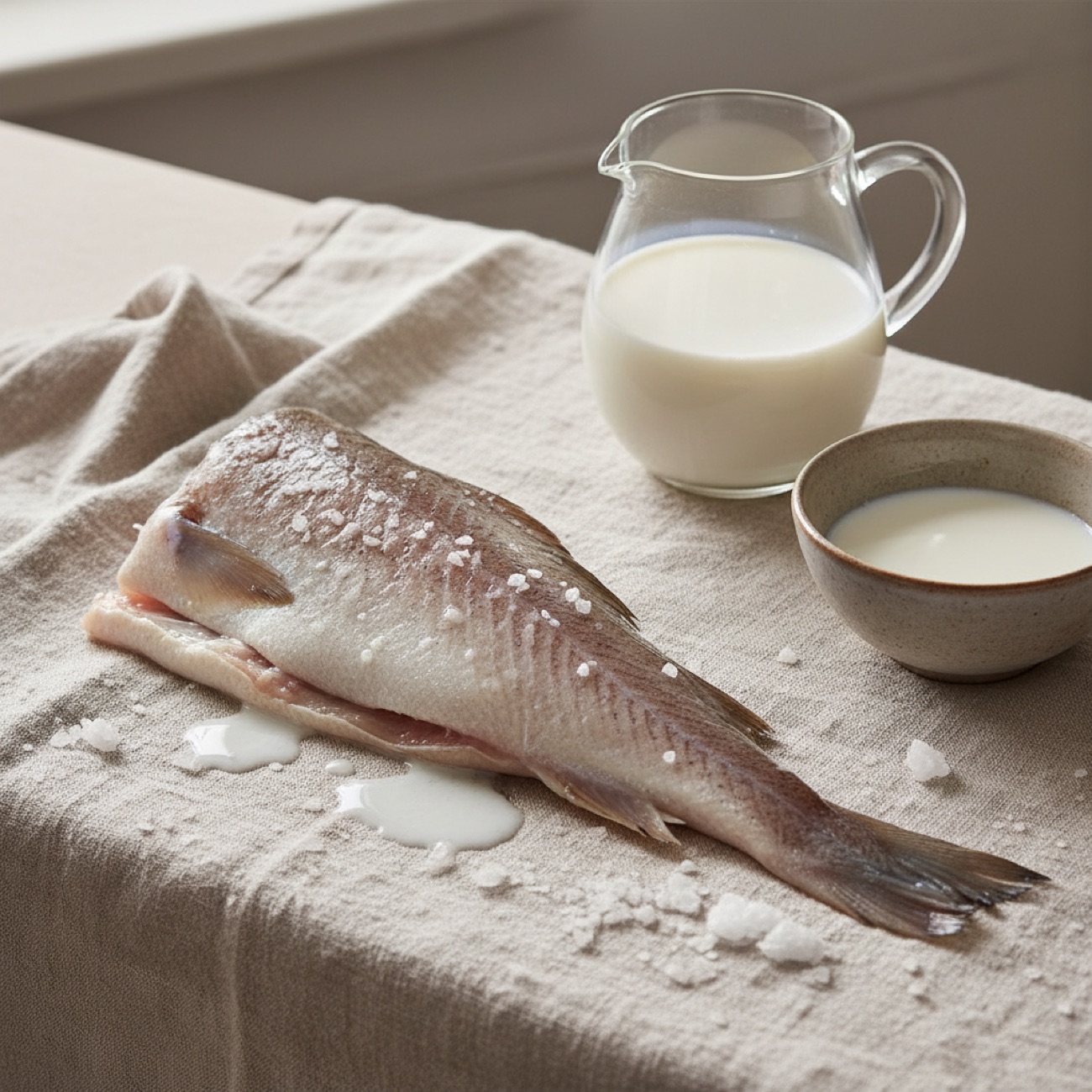
Many people can meet a significant portion of their iodine needs through food. The NIH ODS highlights several reliable dietary sources.
- Iodized salt: One of the most consistent sources in the United States; not all salt is iodized, so check the label
- Dairy products: Milk, yogurt, and cheese tend to be good sources because iodine is present in animal feed and in dairy processing equipment sanitizers
- Seafood: Fish, shrimp, and seaweed (though seaweed can vary widely and sometimes deliver very high amounts)
- Eggs: A moderate source, with most iodine concentrated in the yolk
Iodine content in plant foods depends heavily on the iodine level of the soil where they were grown, which makes plant-based diets a potential risk factor for lower intake. If you follow a vegan or vegetarian diet, discuss your iodine status with a healthcare provider.
Should You Take a Supplement?
Many prenatal vitamins include iodine, and some are formulated to continue through the breastfeeding period. The American Thyroid Association has recommended that breastfeeding women consider a supplement containing 150 mcg of iodine daily if their diet may not cover their needs, but any decision about supplementation should be made with a qualified clinician who knows your full health picture.
It is worth noting that supplements are not intended to diagnose, treat, cure, or prevent any disease, and these statements have not been evaluated by the FDA. Supplements are a tool to help fill nutritional gaps, not a substitute for a varied diet or medical care.
Staying Below the Upper Limit
More iodine is not always better. The NIH ODS states that the adult upper tolerable intake level is 1,100 mcg per day. For most people, iodine intakes from foods and supplements together are unlikely to exceed this level, and intakes below it are generally considered safe. However, long-term intakes above the UL increase the risk of adverse thyroid effects, including goiter, elevated TSH, hypothyroidism, and iodine-induced hyperthyroidism. People with autoimmune thyroid conditions such as Hashimoto's thyroiditis may be more sensitive to high iodine intake and should be especially careful. Seaweed supplements and kelp products are common sources of unexpectedly high iodine doses, so read labels carefully.
Interactions With Medications
If you take any prescription medications, talk to your doctor or pharmacist before adding an iodine supplement. The NIH ODS identifies several clinically relevant interactions.
- Antithyroid medications such as methimazole (Tapazole): High doses of iodine taken alongside these drugs can have an additive effect and could cause hypothyroidism.
- Potassium-sparing diuretics such as spironolactone (Aldactone) or amiloride (Midamor): Taking potassium iodide with these drugs can increase the risk of hyperkalemia, meaning high blood potassium levels.
- ACE inhibitors such as benazepril (Lotensin), lisinopril (Prinivil, Zestril), or fosinopril (Monopril): Taking potassium iodide with ACE inhibitors can also increase the risk of hyperkalemia.
This list covers the most commonly cited interactions but is not exhaustive. Always disclose all supplements and medications to every member of your care team.
What the Research Shows
The NIH ODS grades the evidence for iodine supplementation during pregnancy and breastfeeding as follows. Evidence that iodine supplementation during pregnancy in areas of mild-to-moderate deficiency improves infant and child neurodevelopment is rated Insufficient at this time, meaning more research is needed before firm conclusions can be drawn. The fundamental role of iodine in thyroid function and infant neurological development, however, is supported by Strong evidence. This distinction matters: the science firmly supports meeting your iodine requirement, but it does not yet clearly show that supplementing above your requirement provides additional benefit.
Key Takeaways
- The NIH ODS reference target for breastfeeding women is 290 mcg of iodine per day, compared to 150 mcg for non-pregnant adults.
- The adult upper tolerable intake level is 1,100 mcg per day; staying below this limit is important for thyroid health.
- Iodized salt, dairy, seafood, and eggs are practical food sources.
- Certain medications interact with iodine supplements; always check with a doctor or pharmacist first.
- These are population reference values. Work with a clinician to determine what is right for your individual situation.
Sources
- S1.gov verifiedNIH Office of Dietary Supplements (ODS)Iodine - Health Professional Fact Sheetods.od.nih.gov/factsheets/Iodine-HealthProfessional/
- S2.gov verifiedNIH Office of Dietary Supplements (ODS)Iodine - Consumer Fact Sheetods.od.nih.gov/factsheets/Iodine-Consumer/
- S3.gov verifiedNational Academies (Institute of Medicine), Food and Nutrition BoardDietary Reference Intakes for Vitamin A, Vitamin K, Arsenic, Boron, Chromium, Copper, Iodine, Iron, Manganese, Molybdenum, Nickel, Silicon, Vanadium, and Zincods.od.nih.gov/HealthInformation/nutrientrecommendat