Minerals
Iron and vitamin C: the absorption pairing that actually helps
Eating vitamin C alongside plant-based iron sources is one of the few nutrition pairings backed by strong evidence from the NIH Office of Dietary Supplements.
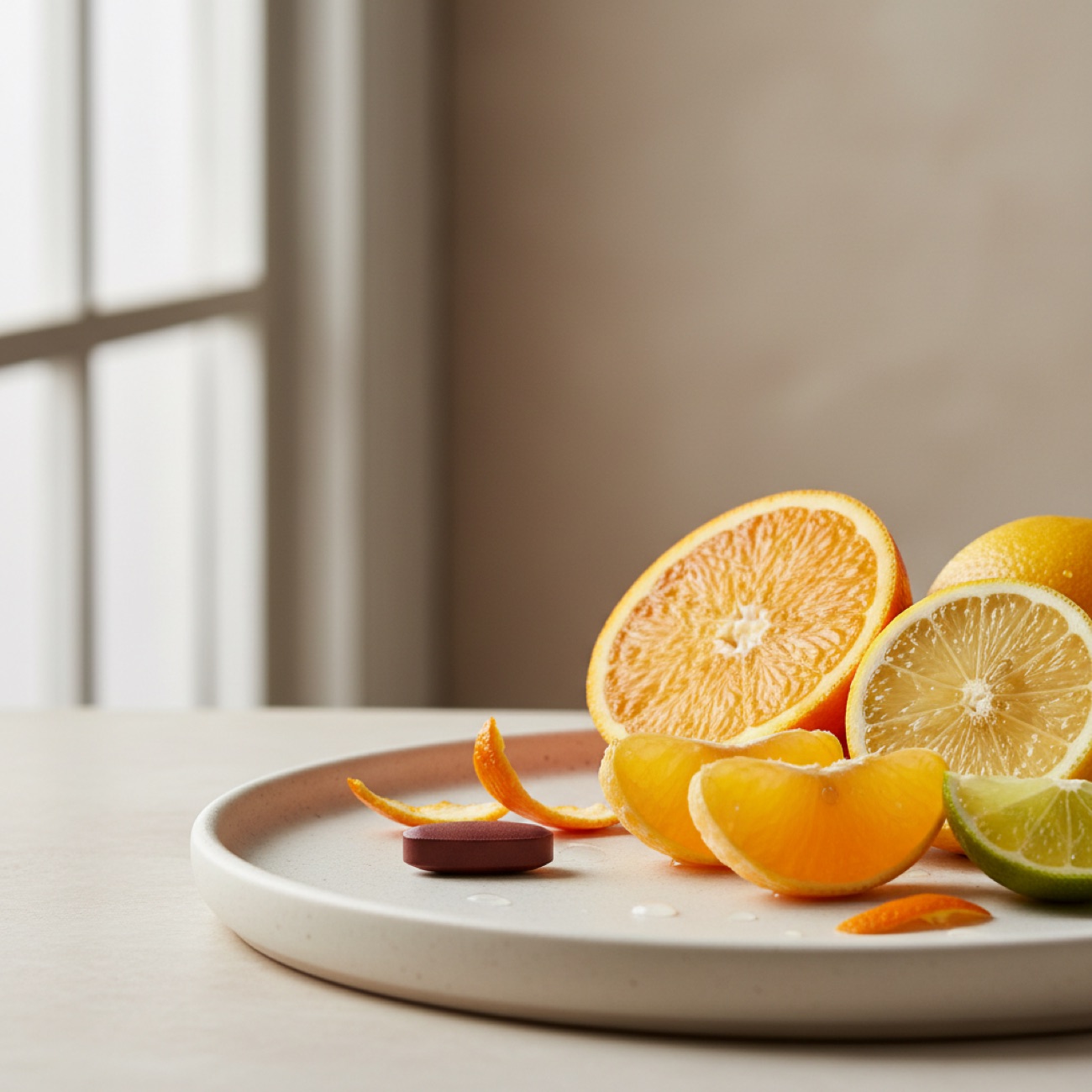
Pairing vitamin C with iron-rich foods is a well-supported strategy for improving how your body absorbs plant-based iron. The evidence behind this pairing is rated strong by the NIH Office of Dietary Supplements, making it one of the more reliable practical tips in everyday nutrition.
Why iron matters and how much you need
According to the NIH Office of Dietary Supplements, iron serves as an essential component of hemoglobin, the red blood cell protein that carries oxygen from the lungs to the tissues. It also forms part of myoglobin, a protein that supplies oxygen to muscle and supports muscle metabolism and healthy connective tissue. Beyond those roles, iron supports physical growth and neurological development.
The NIH Dietary Reference Intake targets for adults are 8 mg per day for men aged 19 to 50 and 18 mg per day for women aged 19 to 50. The Tolerable Upper Intake Level (UL) for adults is 45 mg per day, based on gastrointestinal effects. The NIH notes that people in the United States usually obtain adequate iron from diet, and adults with normal intestinal function have very little risk of iron overload from food sources alone.
Why vitamin C matters and how much you need
The NIH Office of Dietary Supplements identifies vitamin C as required for the biosynthesis of collagen, an essential component of connective tissue that plays a vital role in wound healing. It is also needed to make L-carnitine and certain neurotransmitters, and it acts as an important physiological antioxidant that helps limit damage from free radicals and helps regenerate other antioxidants, including vitamin E.
The adult daily targets set by the NIH are 90 mg for men and 75 mg for women, for ages 19 and older. The Tolerable Upper Intake Level is 2,000 mg per day for adults. Intakes above that level raise the risk of gastrointestinal effects such as diarrhea and cramps.
The two types of dietary iron
Not all iron in food behaves the same way in the body. Understanding the difference helps explain why the vitamin C pairing is useful.
- Heme iron comes from animal sources such as red meat, poultry, and fish. The body absorbs it relatively efficiently regardless of what else you eat at the same meal.
- Nonheme iron comes from plant sources such as lentils, beans, tofu, spinach, and fortified cereals. It is absorbed less efficiently, and several dietary factors can raise or lower how much the body takes in.
How vitamin C improves nonheme iron absorption
The NIH Office of Dietary Supplements rates the evidence that vitamin C enhances absorption of nonheme iron as strong. Vitamin C converts iron from its ferric form to its ferrous form, which the intestine absorbs more readily. This conversion is most useful when vitamin C is consumed at the same meal as a nonheme iron source, rather than at a separate time of day.
Practical examples of the pairing include squeezing lemon juice over lentil soup, adding sliced bell peppers to a bean stir-fry, or drinking a small glass of orange juice alongside a fortified breakfast cereal. These combinations do not require large supplemental doses. The vitamin C amounts found in a medium orange (roughly 70 mg) or half a cup of raw red bell pepper (roughly 95 mg) are in the range that can meaningfully support absorption.
Evidence ratings at a glance
The NIH ODS grades the research behind these nutrients as follows:
- Iron is essential for hemoglobin formation and oxygen transport: Strong
- Iron supports muscle oxygen supply through myoglobin and supports growth and neurological development: Strong
- Vitamin C is required for biosynthesis of collagen, L-carnitine, and certain neurotransmitters and acts as a physiological antioxidant: Strong
- Vitamin C supports immune function and enhances absorption of nonheme iron: Strong
- Daily iron supplementation reduces the risk of anemia and iron deficiency in pregnant women: Moderate
- Iron supplementation helps frequent blood donors recover hemoglobin and iron stores faster: Moderate
- Treating iron deficiency in people with chronic diseases such as heart failure improves clinical outcomes: Limited
What can reduce iron absorption
Several common dietary components can work against iron absorption, particularly for nonheme iron. Being aware of them helps you make more informed meal choices.
- Calcium: The NIH notes that calcium may reduce the bioavailability of both nonheme and heme iron, though the effect is not definitively established. Some experts suggest taking calcium and iron supplements at different times.
- High-phytate foods: Whole grains and legumes contain phytates that can bind nonheme iron and reduce how much is absorbed.
- Tea and coffee: Polyphenols in these beverages can inhibit nonheme iron absorption when consumed with a meal.
Medication interactions to know
If you take any prescription medications, speak with your doctor or pharmacist before adding iron supplements to your routine. The NIH ODS identifies several important interactions:
- Levodopa (Sinemet, Stalevo): Iron supplements can reduce absorption of levodopa, possibly by chelation, and may diminish its clinical effectiveness.
- Levothyroxine (Synthroid, Levoxyl, Tirosint, Unithroid): Taking iron at the same time as levothyroxine can reduce the medication's absorption and efficacy. Product labels advise separating iron by at least 4 hours.
- Proton pump inhibitors such as lansoprazole (Prevacid) and omeprazole (Prilosec): These drugs lower stomach acidity and can reduce nonheme iron absorption. People with iron deficiency may respond less well to iron supplements while taking them.
For vitamin C, the NIH notes that people undergoing chemotherapy or radiation therapy should consult their oncologist before taking vitamin C supplements, especially in high doses, because it is uncertain whether antioxidants protect tumor cells, protect normal tissue, or alter treatment effectiveness.
Practical guidance and safety reminders
For most healthy adults, getting both iron and vitamin C through a varied diet is a straightforward way to support the absorption pairing without approaching either nutrient's upper limit. Supplementation can be appropriate in specific situations, but the right dose depends on individual health status, lab values, and any medications you take. Always consult a clinician or pharmacist for personal dosing guidance.
Supplements are not intended to diagnose, treat, cure, or prevent any disease, and these statements have not been evaluated by the FDA.
If you suspect you have low iron stores, a blood test ordered by a healthcare provider is the appropriate first step. Self-supplementing with high-dose iron without medical guidance is not recommended given the 45 mg per day upper limit and the potential for gastrointestinal side effects.
Key takeaways
- Vitamin C enhances nonheme iron absorption through a well-established mechanism, and the NIH ODS rates this evidence as strong.
- Adult iron targets are 8 mg per day for men and 18 mg per day for women aged 19 to 50, with a 45 mg upper limit, per NIH ODS data.
- Adult vitamin C targets are 90 mg for men and 75 mg for women, with a 2,000 mg upper limit, per NIH ODS data.
- Eating vitamin C-rich foods at the same meal as plant-based iron sources is a practical, low-risk approach for most people.
- Iron supplements interact with several common medications. Talk to your doctor or pharmacist before combining them.
Sources
- S1.gov verifiedNIH Office of Dietary SupplementsIron - Health Professional Fact Sheetods.od.nih.gov/factsheets/Iron-HealthProfessional/
- S2.gov verifiedNIH Office of Dietary SupplementsIron - Consumer Fact Sheetods.od.nih.gov/factsheets/Iron-Consumer/
- S3.gov verifiedInstitute of Medicine (NASEM), Food and Nutrition BoardDietary Reference Intakes for Vitamin A, Vitamin K, Arsenic, Boron, Chromium, Copper, Iodine, Iron, Manganese, Molybdenum, Nickel, Silicon, Vanadium, and Zincnap.nationalacademies.org/catalog/10026
- S4.gov verifiedNIH Office of Dietary SupplementsVitamin C - Health Professional Fact Sheetods.od.nih.gov/factsheets/VitaminC-HealthProfessiona
- S5.gov verifiedNIH Office of Dietary SupplementsVitamin C - Consumer Fact Sheetods.od.nih.gov/factsheets/VitaminC-Consumer/