Safety
Iron Supplement Overdose and High-Dose Risks
A plain-language guide to iron's safe upper limit, overdose warning signs, and key drug interactions, grounded in NIH Office of Dietary Supplements data.
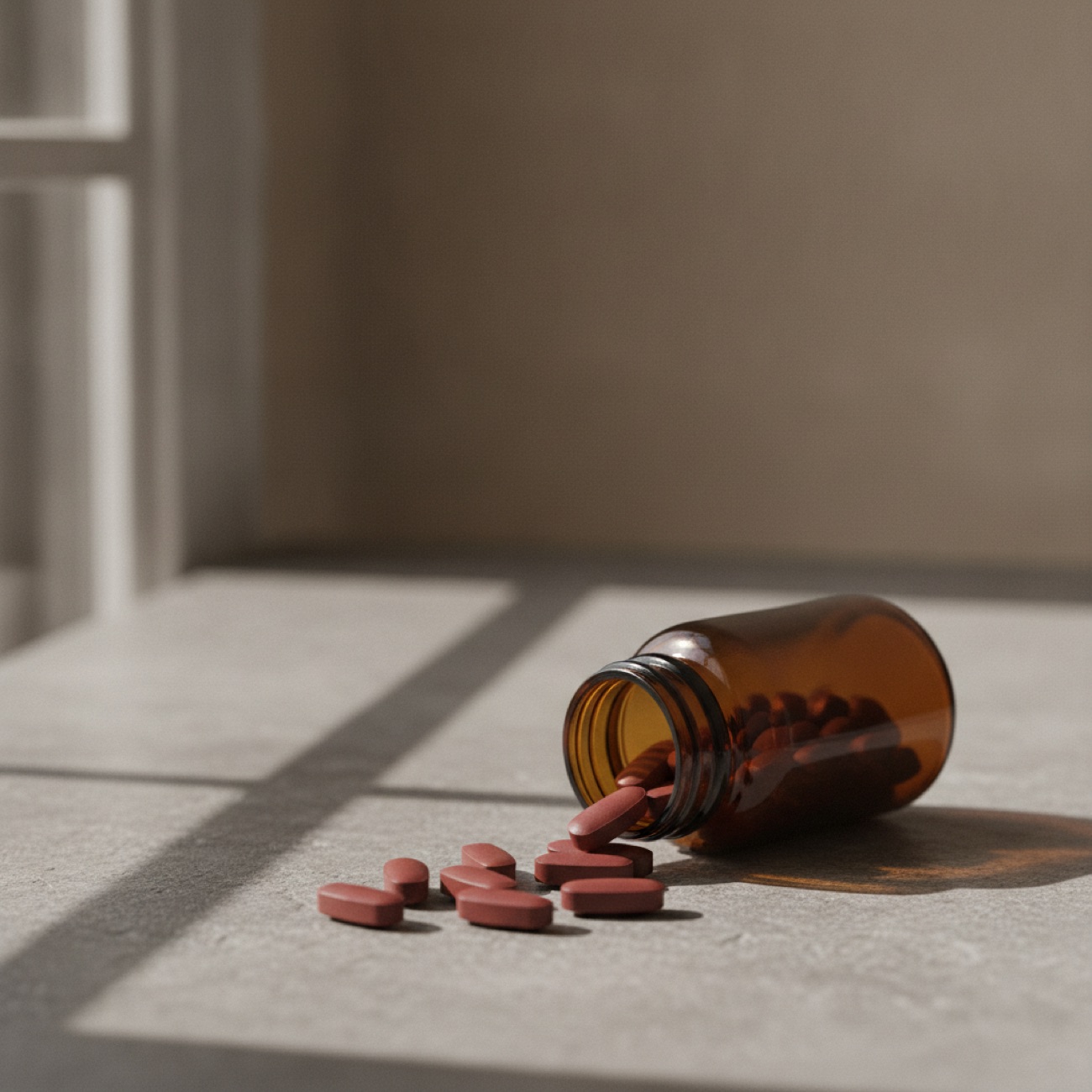
The tolerable upper intake level for iron is 45 mg per day for adults, according to the NIH Office of Dietary Supplements. Taking more than this amount, especially without clinical supervision, raises the risk of gastrointestinal side effects and, in severe cases, serious toxicity.
What Iron Does in the Body
Iron is an essential mineral with several well-established physiological roles. According to the NIH Office of Dietary Supplements, iron serves as an essential component of hemoglobin, the red blood cell protein that carries oxygen from the lungs to the tissues. It also forms part of myoglobin, a protein that supplies oxygen to muscle and supports muscle metabolism and healthy connective tissue. In addition, iron supports physical growth and neurological development. The evidence for these core functions is rated strong by the NIH.
Please note that iron supplements are not intended to diagnose, treat, cure or prevent any disease and these statements have not been evaluated by the FDA.
Daily Targets and the Upper Limit
The NIH Office of Dietary Supplements publishes the following reference values for adults:
- Men aged 19 to 50: 8 mg per day
- Women aged 19 to 50: 18 mg per day
- Tolerable Upper Intake Level for all adults: 45 mg per day
The 45 mg upper limit is set based on gastrointestinal effects such as nausea, constipation, and stomach pain. Higher doses are sometimes prescribed by clinicians to replenish iron stores in people with confirmed deficiency, but that is a supervised medical decision, not a self-care choice. Most people in the United States obtain adequate iron from their diet, and adults with normal intestinal function have very little risk of iron overload from food alone.
What Happens When You Take Too Much Iron
Gastrointestinal Effects
Even at doses near or just above the 45 mg upper limit, iron supplements commonly cause stomach upset, nausea, constipation, diarrhea, and dark stools. These effects are the primary reason the upper limit was set where it is. Reducing the dose or taking iron with food can sometimes lessen these symptoms, though food may also reduce absorption.
Acute Iron Poisoning
Acute iron poisoning is a medical emergency. It occurs most often in young children who accidentally ingest adult iron supplements, but it can also occur in adults who take very large amounts. Symptoms can progress through several stages and may include severe vomiting, abdominal pain, bloody stool, low blood pressure, rapid heart rate, and in serious cases, liver failure or shock. If you suspect iron poisoning, call Poison Control at 1-800-222-1222 in the United States or go to an emergency room immediately.
Iron Overload in Vulnerable Populations
People with hereditary hemochromatosis, a genetic condition that causes the body to absorb too much iron, face a much higher risk of iron overload from supplements. Individuals receiving regular blood transfusions are also at elevated risk. These groups should not take iron supplements without direct medical supervision.
Drug and Nutrient Interactions
Iron supplements can affect the absorption or effectiveness of several medications. Always talk to a doctor or pharmacist before combining iron supplements with any prescription or over-the-counter drug.
Levodopa
According to the NIH Office of Dietary Supplements, iron supplements can reduce the absorption of levodopa, found in medications such as Sinemet and Stalevo, possibly through a process called chelation. This may reduce the clinical effectiveness of levodopa in people being treated for Parkinson's disease or related conditions.
Levothyroxine
Taking iron at the same time as levothyroxine (sold under brand names including Synthroid, Levoxyl, Tirosint, and Unithroid) can reduce levothyroxine absorption and efficacy. Medication labels advise separating iron from levothyroxine by at least 4 hours.
Proton Pump Inhibitors
Drugs such as lansoprazole (Prevacid) and omeprazole (Prilosec) lower stomach acidity and can reduce nonheme iron absorption. People with iron deficiency who take proton pump inhibitors may respond less well to iron supplements as a result.
Calcium
Calcium may reduce the bioavailability of both nonheme and heme iron, though the NIH notes this effect is not definitively established. Some experts suggest taking calcium and iron supplements at different times as a precaution.
What the Research Shows
Beyond iron's core physiological roles, the NIH Office of Dietary Supplements summarizes the following research findings:
- Daily iron supplementation reduces the risk of anemia and iron deficiency in pregnant women. Evidence rating: moderate.
- Iron supplementation helps frequent blood donors recover hemoglobin and iron stores faster. Evidence rating: moderate.
- Treating iron deficiency in people with chronic diseases such as heart failure may improve clinical outcomes. Evidence rating: limited.
These ratings reflect the current state of the evidence and are not claims that iron supplements treat or cure any condition.
Who Should Be Especially Cautious
- People with hereditary hemochromatosis or other iron metabolism disorders
- People receiving regular blood transfusions
- Anyone taking levodopa or levothyroxine
- Children, for whom adult-dose iron supplements pose a serious accidental poisoning risk
- People with inflammatory bowel disease or other gastrointestinal conditions
Practical Guidance
If you are considering an iron supplement, the most important first step is to have your iron status confirmed through a blood test ordered by a clinician. Self-diagnosing iron deficiency and self-prescribing high-dose supplements carries real risks. The NIH notes that most adults in the United States get enough iron from food and do not need supplementation.
For personal dosing recommendations, speak with a clinician or pharmacist. They can review your lab results, health history, and any medications you take before recommending a dose or supplement form. Do not exceed 45 mg per day without direct medical supervision.
Sources
- NIH Office of Dietary Supplements, Iron Fact Sheet for Health Professionals: https://ods.od.nih.gov/factsheets/Iron-HealthProfessional/
- NIH Office of Dietary Supplements, Iron Fact Sheet for Consumers: https://ods.od.nih.gov/factsheets/Iron-Consumer/
- National Academies of Sciences, Dietary Reference Intakes: https://nap.nationalacademies.org/catalog/10026
Sources
- S1.gov verifiedNIH Office of Dietary SupplementsIron - Health Professional Fact Sheetods.od.nih.gov/factsheets/Iron-HealthProfessional/
- S2.gov verifiedNIH Office of Dietary SupplementsIron - Consumer Fact Sheetods.od.nih.gov/factsheets/Iron-Consumer/
- S3.gov verifiedInstitute of Medicine (NASEM), Food and Nutrition BoardDietary Reference Intakes for Vitamin A, Vitamin K, Arsenic, Boron, Chromium, Copper, Iodine, Iron, Manganese, Molybdenum, Nickel, Silicon, Vanadium, and Zincnap.nationalacademies.org/catalog/10026