Women
Iron for Women of Reproductive Age and Menstrual Loss
Why women aged 19 to 50 need more than twice the iron of men the same age, and what the evidence says about supplementing safely.
Short Answer
Women aged 19 to 50 have a Recommended Dietary Allowance of 18 mg of iron per day, compared with 8 mg for men the same age, largely because monthly menstrual blood loss increases iron turnover. Meeting that target through food and, when clinically indicated, supplements supports normal oxygen transport and energy metabolism, but personal dosing decisions should always involve a clinician or pharmacist.
Why Iron Matters
Iron performs several roles that the body cannot replicate with any other mineral. According to the NIH Office of Dietary Supplements (ODS), iron is an essential component of hemoglobin, the red blood cell protein that carries oxygen from the lungs to every tissue in the body. It also forms part of myoglobin, a protein that supplies oxygen directly to muscle and supports muscle metabolism and healthy connective tissue. Beyond oxygen transport, iron supports physical growth and neurological development. These functions are graded as well-established by the ODS, reflecting a strong body of scientific evidence.
The Gap Between Men and Women
The difference in daily targets is substantial. The NIH ODS cites an RDA of 8 mg per day for adult men aged 19 to 50, while women in the same age range need 18 mg per day. That 10 mg gap exists primarily because menstruation causes regular blood loss, and blood contains iron-rich hemoglobin. Women with heavier or longer periods lose more iron each cycle than women with lighter flow, which is one reason iron deficiency is more common in this population. After menopause, the female RDA drops back to 8 mg, aligning with the male figure.
Food Sources First
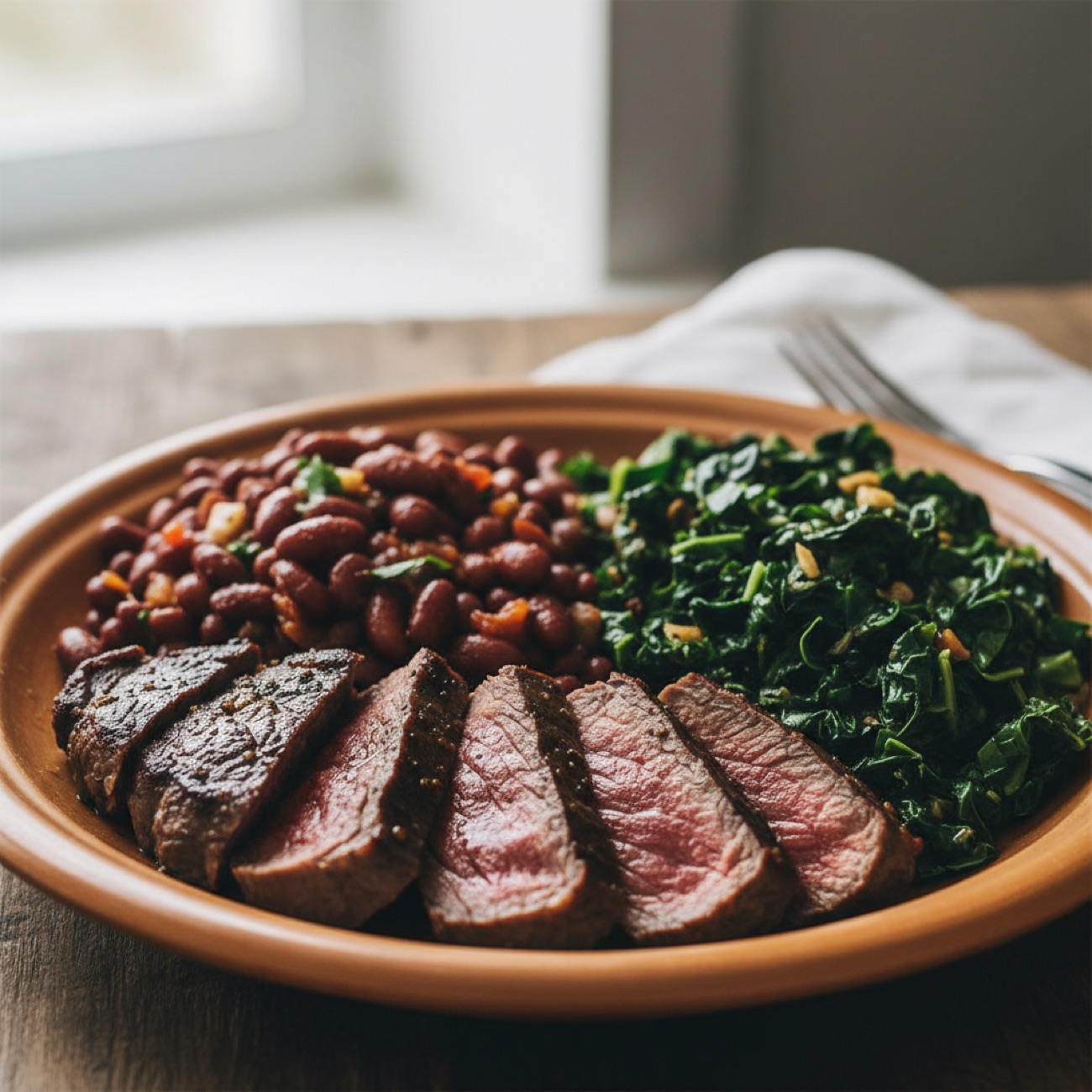
The NIH ODS notes that people in the United States usually obtain adequate iron from diet, and adults with normal intestinal function have very little risk of iron overload from food alone. Iron in food comes in two forms:
- Heme iron is found in meat, poultry, and seafood. It is absorbed more efficiently by the body.
- Nonheme iron is found in fortified cereals, beans, lentils, tofu, spinach, and other plant foods. Absorption is lower but can be improved by consuming vitamin C-rich foods at the same meal.
Eating a varied diet that includes both heme and nonheme sources is the foundation of meeting daily iron needs for most women.
Supplements: What the Evidence Shows
When diet alone is not enough, iron supplements are widely used. The ODS evidence summary offers the following graded conclusions:
- Daily iron supplementation reduces the risk of anemia and iron deficiency in pregnant women. The ODS grades this evidence as moderate.
- Iron supplementation helps frequent blood donors recover hemoglobin and iron stores faster. Evidence grade: moderate.
- Treating iron deficiency in people with chronic diseases such as heart failure may improve clinical outcomes. Evidence grade: limited.
No evidence supports using iron supplements to treat or cure any disease. Iron supplements are not intended to diagnose, treat, cure or prevent any disease, and these statements have not been evaluated by the FDA. If you suspect iron deficiency or anemia, a clinician can order a blood test and recommend appropriate next steps.
Safety and the Upper Limit
The Tolerable Upper Intake Level for iron from food and supplements combined is 45 mg per day for adults, according to the NIH ODS. This limit is based on gastrointestinal effects such as nausea, constipation, and stomach discomfort. Higher doses are sometimes prescribed by clinicians to replenish iron stores in people with confirmed deficiency, but those situations require medical supervision. Taking more iron than the body needs does not provide additional benefit and can cause harm at high intakes.
Important Drug Interactions
Iron can interfere with the absorption or effectiveness of certain medications. The NIH ODS identifies several interactions that are clinically relevant. Always talk to a doctor or pharmacist before combining iron supplements with any medication.
- Levodopa (Sinemet, Stalevo): Iron supplements can reduce the absorption of levodopa, possibly through chelation, and may reduce its clinical effectiveness.
- Levothyroxine (Synthroid, Levoxyl, Tirosint, Unithroid): Taking iron at the same time as levothyroxine can reduce levothyroxine absorption. Medication labels advise separating iron from levothyroxine by at least 4 hours.
- Proton pump inhibitors (lansoprazole, omeprazole): These drugs lower stomach acidity and can reduce nonheme iron absorption. People with iron deficiency who take proton pump inhibitors may respond less well to iron supplements.
- Calcium: Calcium may reduce the bioavailability of both heme and nonheme iron, though the ODS notes this effect is not definitively established. Some experts suggest taking calcium and iron supplements at different times of day as a precaution.
Practical Considerations for Women
A few habits can help women of reproductive age maintain healthy iron status without overshooting the upper limit.
- Pair plant-based iron sources with vitamin C-rich foods such as bell peppers, citrus, or tomatoes to improve nonheme iron absorption.
- Avoid drinking tea or coffee with iron-rich meals, as compounds in these beverages can inhibit nonheme iron absorption.
- If you take a multivitamin that already contains iron, count that toward your total daily intake before adding a separate iron supplement.
- Women with heavy menstrual bleeding, vegetarian or vegan diets, or a history of iron deficiency should discuss their individual needs with a clinician rather than self-adjusting supplement doses.
When to See a Clinician
Fatigue, pale skin, shortness of breath during ordinary activity, and difficulty concentrating can all have many causes. A simple blood test measuring serum ferritin, hemoglobin, and related markers is the only reliable way to determine whether low iron is a contributing factor. Self-diagnosing and self-treating with high-dose iron supplements carries real risks, including gastrointestinal side effects and, in rare cases involving genetic conditions such as hemochromatosis, iron accumulation. A clinician can interpret your lab results in context and recommend a dose and duration that fits your situation.
Summary
The NIH ODS sets the iron RDA for women aged 19 to 50 at 18 mg per day, more than double the 8 mg target for men, reflecting the iron lost through menstruation each month. Iron is essential for oxygen transport via hemoglobin and muscle oxygen supply via myoglobin, both strongly supported by evidence. Supplements can play a role when dietary intake is insufficient, particularly during pregnancy or recovery from blood loss, but they carry interaction risks with several common medications and should be used under clinical guidance. The adult upper limit is 45 mg per day from all sources combined.
Sources: NIH Office of Dietary Supplements Iron Fact Sheet for Health Professionals, NIH ODS Iron Fact Sheet for Consumers, National Academies Dietary Reference Intakes (NAP catalog 10026).
Sources
- S1.gov verifiedNIH Office of Dietary SupplementsIron - Health Professional Fact Sheetods.od.nih.gov/factsheets/Iron-HealthProfessional/
- S2.gov verifiedNIH Office of Dietary SupplementsIron - Consumer Fact Sheetods.od.nih.gov/factsheets/Iron-Consumer/
- S3.gov verifiedInstitute of Medicine (NASEM), Food and Nutrition BoardDietary Reference Intakes for Vitamin A, Vitamin K, Arsenic, Boron, Chromium, Copper, Iodine, Iron, Manganese, Molybdenum, Nickel, Silicon, Vanadium, and Zincnap.nationalacademies.org/catalog/10026