Myths
Is Natural Vitamin E Better Than the Synthetic Form?
The natural and synthetic forms of vitamin E differ in structure and potency, and understanding that difference helps you read supplement labels more accurately.
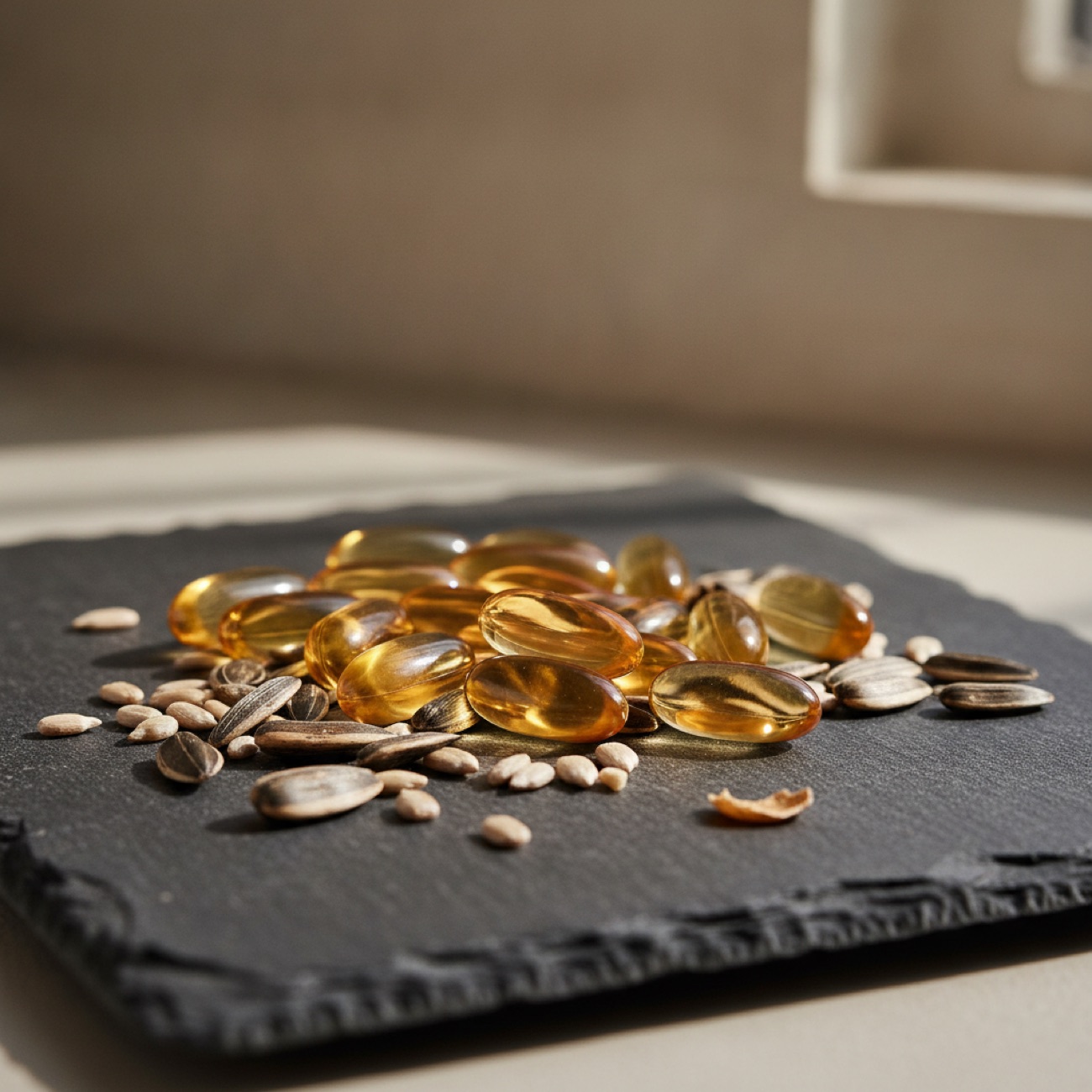
Short answer: Natural vitamin E (labeled d-alpha-tocopherol) is absorbed and retained by the body more efficiently than the synthetic form (labeled dl-alpha-tocopherol), which is why their upper intake limits are expressed in different IU values even though the milligram limit is the same. For most healthy adults who eat a varied diet, the difference is unlikely to be clinically meaningful, but it is worth knowing when you compare supplement labels.
What Vitamin E Actually Does
Vitamin E is a fat-soluble nutrient that the body cannot make on its own, so it must come from food or supplements. According to the NIH Office of Dietary Supplements (ODS), it serves three main roles in the body.
- Antioxidant protection: Vitamin E acts as a fat-soluble antioxidant that stops the production of reactive oxygen species formed when fat undergoes oxidation, protecting cells from free-radical damage.
- Immune support: It contributes to normal immune function.
- Cell signaling and gene regulation: It is involved in cell signaling, regulation of gene expression, and other metabolic processes, though this evidence comes primarily from in vitro cell studies rather than clinical trials in humans.
The ODS classifies the evidence that vitamin E functions as a fat-soluble antioxidant and is required for normal physiology, including immune function, as strong. Similarly, the evidence that correcting deficiency in people with fat-malabsorption disorders or rare genetic conditions prevents neurological symptoms is also rated strong.
Natural Versus Synthetic: What the Labels Mean
The key difference is molecular structure. Natural vitamin E contains a single stereoisomer called d-alpha-tocopherol. Synthetic vitamin E, produced through a chemical process, is labeled dl-alpha-tocopherol and is actually a mixture of eight different stereoisomers. The body preferentially retains the natural d-alpha form, which is why bioavailability studies consistently show that the natural form reaches tissues more efficiently.
This structural difference is reflected directly in the Tolerable Upper Intake Level (UL) established in the Dietary Reference Intakes published by the National Academies. The adult UL is 1,000 mg of alpha-tocopherol per day regardless of source. However, when that same limit is expressed in International Units, it equals 1,500 IU per day for the natural form and only 1,100 IU per day for the synthetic form, according to the ODS. The lower IU ceiling for the synthetic form accounts for its lower biological activity per unit of weight.
When you shop for supplements, look for d-alpha-tocopherol on the label to identify the natural form and dl-alpha-tocopherol to identify the synthetic form. Mixed tocopherols (which include beta, gamma, and delta forms alongside alpha) appear on some labels and reflect a broader spectrum found in whole foods, though the ODS notes that alpha-tocopherol is the only form the body actively maintains in plasma and tissues.
How Much Do Adults Need?
The adult Recommended Dietary Allowance for vitamin E is 15 mg per day, according to the NIH ODS. This applies to both men and women aged 14 and older. Pregnant women share the same target, while breastfeeding women need slightly more at 19 mg per day. The UL for supplemental alpha-tocopherol in adults is 1,000 mg per day, a threshold based on the risk of hemorrhage at high intakes. Vitamin E from food is considered safe with no established adverse effects at normal dietary intake levels.
Because individual needs vary based on health status, medications, and diet, please consult a clinician or pharmacist before choosing a dose. These figures are population reference values, not personal prescriptions.
What the Research Says About Supplements
It is important to be honest about what the evidence does and does not show. Supplements are not intended to diagnose, treat, cure, or prevent any disease, and these statements have not been evaluated by the FDA.
With that context, here is how the ODS grades the evidence for common reasons people take vitamin E supplements:
- Cardiovascular disease prevention: Evidence is rated insufficient. Large clinical trials have not shown that vitamin E supplements prevent cardiovascular disease or reduce related mortality.
- Cancer prevention: Evidence is rated insufficient. Current data do not support a protective role for supplemental vitamin E against cancer.
- Age-related macular degeneration or cataracts: Evidence is rated limited. Some research suggests a possible benefit, but findings are not consistent enough to draw firm conclusions.
- Cognitive decline and Alzheimer's disease: Evidence is rated insufficient. Studies have not reliably demonstrated that vitamin E supplements maintain cognitive performance or slow decline.
Drug Interactions to Know
Vitamin E can interact with several medications. Always talk to a doctor before combining vitamin E supplements with any prescription or over-the-counter drug.
- Anticoagulant and antiplatelet medications (such as warfarin): Vitamin E can inhibit platelet aggregation and antagonize vitamin K-dependent clotting factors. Large doses may increase bleeding risk, particularly with low vitamin K intake. The ODS notes that the amount needed for a clinically significant effect is unknown but probably exceeds 400 IU per day.
- Simvastatin combined with niacin: Taking vitamin E alongside other antioxidants (vitamin C, selenium, and beta-carotene) was associated with a blunted rise in HDL cholesterol, especially the cardioprotective HDL2 fraction, in people receiving this drug combination.
- Chemotherapy and radiotherapy: Oncologists generally advise against antioxidant supplements during active cancer treatment because they might reduce effectiveness by protecting cancer cells from oxidative damage. The ODS notes the evidence is mixed and further research is needed.
Food Sources First
Wheat germ oil, sunflower seeds, almonds, sunflower oil, safflower oil, hazelnuts, peanut butter, and spinach are among the richest dietary sources of vitamin E. Getting the nutrient from food carries no established risk of excess and provides the full range of tocopherol forms alongside other beneficial compounds.
Bottom Line
Natural vitamin E is absorbed and retained more efficiently than the synthetic form, and that difference is built into the IU-based upper limits set by the National Academies. For someone eating a balanced diet, deficiency is uncommon and supplementation may not offer additional benefit beyond correcting a documented shortfall. If you are considering a vitamin E supplement, discuss your specific situation with a clinician or pharmacist who can weigh your diet, health history, and any medications you take.
Sources: NIH Office of Dietary Supplements Vitamin E Fact Sheet for Health Professionals; NIH Office of Dietary Supplements Vitamin E Fact Sheet for Consumers; National Academies Dietary Reference Intakes for Vitamin C, Vitamin E, Selenium, and Carotenoids (2000).
Sources
- S1.gov verifiedNIH Office of Dietary SupplementsVitamin E - Health Professional Fact Sheetods.od.nih.gov/factsheets/VitaminE-HealthProfessiona
- S2.gov verifiedNIH Office of Dietary SupplementsVitamin E - Consumer Fact Sheetods.od.nih.gov/factsheets/VitaminE-Consumer/
- S3.gov verifiedInstitute of Medicine (National Academies), Food and Nutrition BoardDietary Reference Intakes for Vitamin C, Vitamin E, Selenium, and Carotenoids (2000)nap.nationalacademies.org/catalog/9810/dietary-refer