Magnesium forms
Magnesium Glycinate vs Citrate vs Oxide: Absorption, Tolerability, and Best Use
A plain-language comparison of three common magnesium supplement forms, grounded in NIH Office of Dietary Supplements data on absorption, safety, and drug interactions.
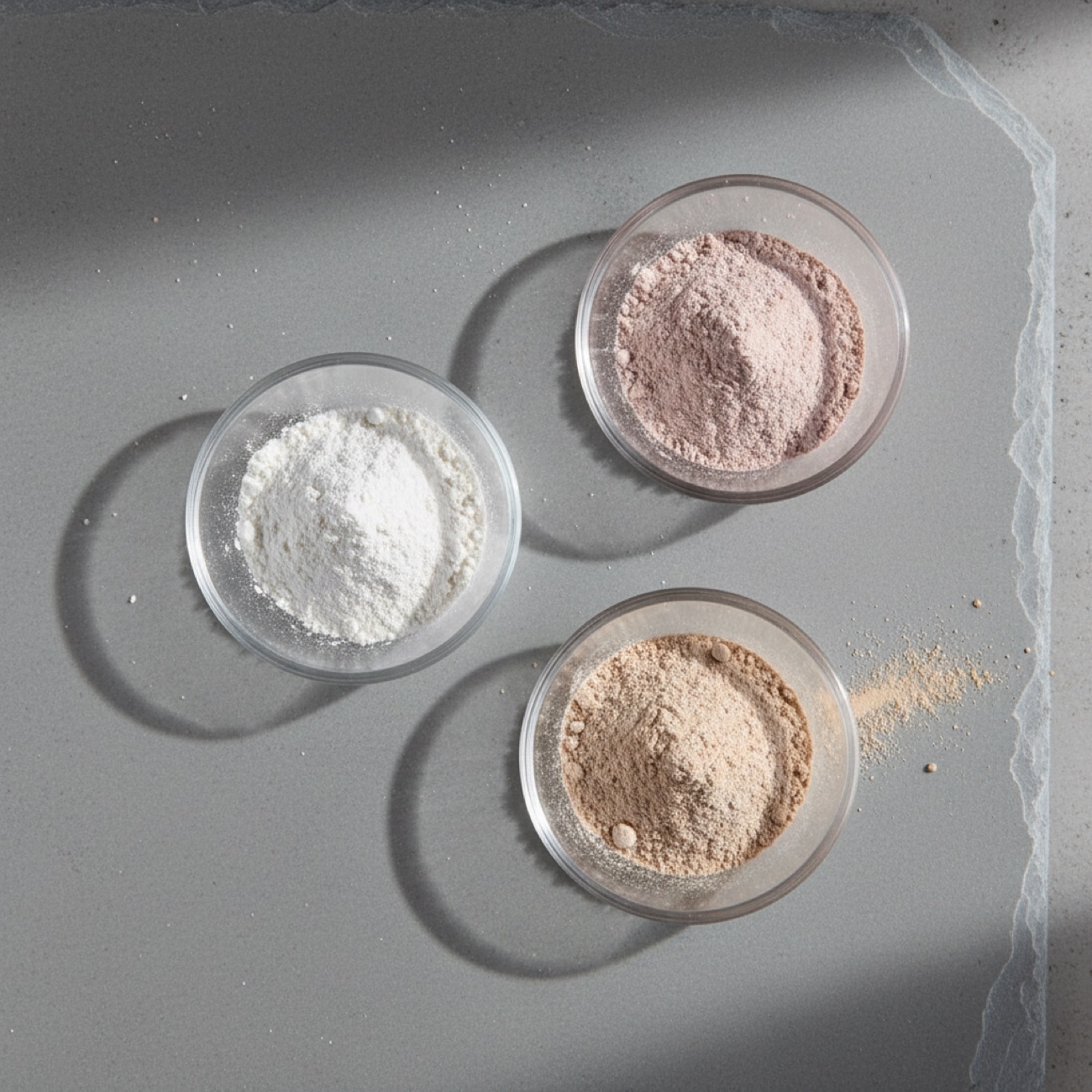
Not all magnesium supplements are the same. The mineral is bound to different carrier compounds in each product, and that pairing affects how much magnesium your body absorbs, how well your stomach tolerates it, and how much elemental magnesium you get per capsule or tablet. This guide walks through the three most widely sold forms using data from the NIH Office of Dietary Supplements (ODS).
Why Magnesium Matters
According to the NIH ODS, magnesium serves as a cofactor in more than 300 enzyme systems that regulate diverse biochemical reactions, including protein synthesis. It supports normal muscle and nerve function, contributes to blood glucose control, and plays a role in blood pressure regulation. It is also required for energy production, DNA and RNA synthesis, and maintaining bone structure. The evidence that magnesium is essential to these processes is rated strong by the NIH.
Research also suggests associations between higher magnesium intake and lower risk of type 2 diabetes, better bone mineral density, and possible support for cardiovascular health, though the NIH rates the evidence for each of those outcomes as limited. Magnesium may also help reduce the frequency of migraine headaches, an area the NIH rates as moderate evidence.
These statements reflect physiological roles and research associations. Magnesium supplements are not intended to diagnose, treat, cure, or prevent any disease, and these statements have not been evaluated by the FDA.
How Much Do Adults Need?
The NIH ODS Dietary Reference Intakes set adult targets at 400 to 420 mg per day for men and 310 to 320 mg per day for women ages 19 to 50. Many people fall short of these targets through diet alone, which is one reason supplements are commonly used.
Importantly, the NIH sets a Tolerable Upper Intake Level (UL) of 350 mg per day from dietary supplements and medications for anyone age 9 and older. This limit does not apply to magnesium naturally present in food and beverages, because healthy kidneys excrete dietary magnesium efficiently. The UL exists specifically to avoid diarrhea and other gastrointestinal effects from supplemental magnesium. Some research protocols, such as certain migraine prevention studies, use doses above the UL, but those should only be followed under the direct supervision of a clinician.
The Three Forms Compared
Magnesium Oxide
Magnesium oxide contains a high percentage of elemental magnesium by weight, meaning a single tablet can deliver a large stated dose. However, research consistently finds that magnesium oxide is poorly absorbed in the gastrointestinal tract compared with organic salt forms. A greater share of the unabsorbed magnesium remains in the gut, which draws water into the intestine and commonly causes loose stools or diarrhea. For this reason, magnesium oxide is sometimes used as a short-term laxative rather than as a daily nutritional supplement.
If you are considering magnesium oxide strictly for nutritional purposes, the lower bioavailability means the effective dose reaching your tissues may be considerably smaller than the label figure suggests. Discuss this with a clinician or pharmacist before relying on it as your primary magnesium source.
Magnesium Citrate
Magnesium citrate binds the mineral to citric acid. It is generally considered better absorbed than magnesium oxide, and it is one of the more affordable and widely available options. Because some of the magnesium still reaches the colon unabsorbed, higher doses can have a mild laxative effect, though this is usually less pronounced than with the oxide form at comparable elemental doses.
Magnesium citrate is a reasonable general-purpose choice for people who want a form with decent bioavailability and do not have significant gastrointestinal sensitivity. Staying at or below the 350 mg per day supplemental UL set by the NIH ODS is the standard guidance for avoiding loose stools.
Magnesium Glycinate
Magnesium glycinate binds magnesium to glycine, an amino acid. This chelated form is absorbed through amino acid transport pathways in the small intestine, which tend to be more efficient and less dependent on gut conditions such as stomach acid levels. The result is typically high bioavailability and notably lower rates of gastrointestinal side effects, including diarrhea.
Because less unabsorbed magnesium reaches the colon, magnesium glycinate is often recommended for people who have experienced digestive discomfort with other forms, or who need to take magnesium alongside medications that affect gut motility. It is generally more expensive per serving than citrate or oxide. The elemental magnesium content per tablet is lower than oxide, so label reading matters when comparing products.
Drug Interactions to Know
The NIH ODS identifies several clinically relevant interactions that apply to all supplemental magnesium forms. Talk to your doctor or pharmacist before combining any magnesium supplement with the following medications.
- Bisphosphonates such as alendronate (Fosamax): magnesium can decrease absorption of these medications. Separate dosing by at least 2 hours.
- Tetracycline antibiotics such as doxycycline and demeclocycline, and quinolone antibiotics such as ciprofloxacin and levofloxacin: magnesium can form insoluble complexes that reduce antibiotic absorption. Take these antibiotics at least 2 hours before or 4 to 6 hours after a magnesium supplement.
- Loop and thiazide diuretics such as furosemide (Lasix), bumetanide (Bumex), hydrochlorothiazide, and ethacrynic acid (Edecrin): chronic use can increase urinary magnesium loss and lead to depletion, potentially increasing the need for supplementation under medical guidance.
- Potassium-sparing diuretics such as amiloride (Midamor) and spironolactone (Aldactone): these reduce magnesium excretion, which could raise magnesium levels when combined with supplements.
Choosing a Form: A Practical Summary
- Magnesium oxide: high elemental magnesium per tablet but low bioavailability and higher risk of diarrhea. Better suited as an occasional laxative than a daily nutritional supplement for most people.
- Magnesium citrate: good bioavailability, widely available, cost-effective. A practical everyday option for people without gastrointestinal sensitivity, provided the supplemental dose stays within the NIH UL of 350 mg per day.
- Magnesium glycinate: high bioavailability, gentlest on the digestive system, and a good fit for people who have had GI side effects with other forms. Higher cost per serving is the main trade-off.
Important Reminders
The 350 mg per day supplemental UL from the NIH ODS applies to all forms. Count all supplemental sources, including multivitamins and antacids, when estimating your daily intake. Magnesium from food does not count toward this limit. People with kidney disease should not supplement without medical supervision, because impaired kidneys cannot excrete excess magnesium efficiently.
For personal dosing guidance, speak with a clinician or pharmacist. The information in this guide is for general educational purposes and is not a substitute for professional medical advice.
Sources: NIH Office of Dietary Supplements Magnesium Fact Sheet for Health Professionals (ods.od.nih.gov), NIH ODS Magnesium Consumer Fact Sheet, and the National Academies Dietary Reference Intakes (ncbi.nlm.nih.gov/books/NBK109825).
Sources
- S1.gov verifiedNIH Office of Dietary SupplementsMagnesium - Health Professional Fact Sheetods.od.nih.gov/factsheets/Magnesium-HealthProfession
- S2.gov verifiedNIH Office of Dietary SupplementsMagnesium - Consumer Fact Sheetods.od.nih.gov/factsheets/Magnesium-Consumer/
- S3.gov verifiedInstitute of Medicine (National Academies), Food and Nutrition BoardDietary Reference Intakes for Calcium, Phosphorus, Magnesium, Vitamin D, and Fluoride (1997)www.ncbi.nlm.nih.gov/books/NBK109825/