Menopause
Menopause Symptom Supplements: Black Cohosh, Calcium, and Vitamin D
A plain-language, evidence-graded look at three supplements commonly used during menopause, based on data from the NIH Office of Dietary Supplements.
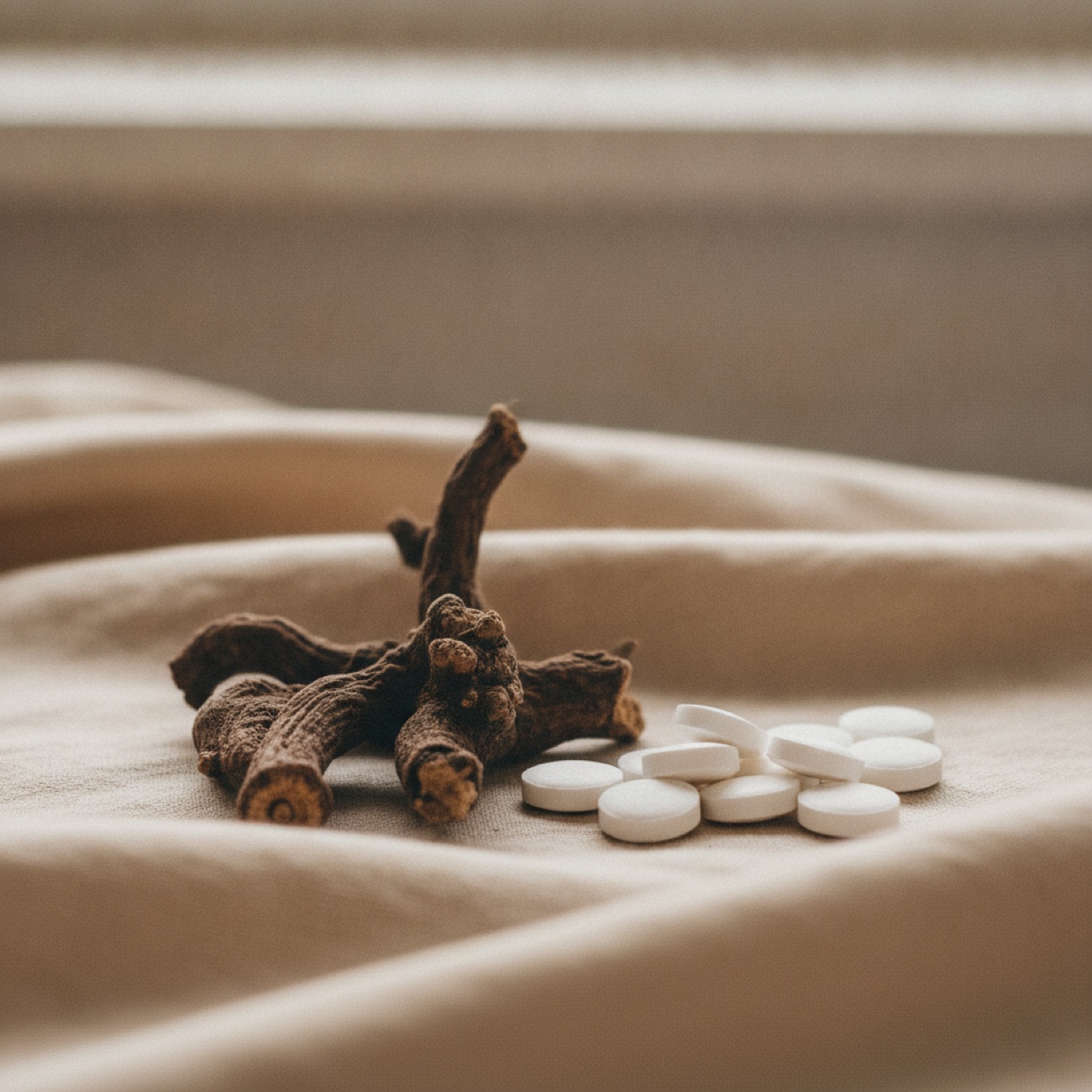
Many people turn to supplements during menopause to support bone health or ease symptoms such as hot flashes. This guide covers three commonly used options, black cohosh, calcium, and vitamin D, grounding every figure in data from the NIH Office of Dietary Supplements (ODS). Supplements are not intended to diagnose, treat, cure, or prevent any disease, and these statements have not been evaluated by the FDA.
Black Cohosh
What it is and why people use it
Black cohosh is a plant-based supplement marketed for relief of menopausal vasomotor symptoms, primarily hot flashes and night sweats. Unlike calcium or vitamin D, it is not an essential nutrient and has no established role in normal human physiology, according to the NIH ODS. Its active ingredients and exact mechanism of action remain unknown. Proposed but unproven mechanisms include modulation of serotonergic pathways and possible antioxidant, anti-inflammatory, or selective estrogen receptor modulator activity.
Evidence rating
The NIH ODS rates the evidence as insufficient on all key questions: whether black cohosh relieves menopausal vasomotor symptoms, whether it reduces the number of hot flashes compared with placebo, and whether it has any defined role in normal human physiology. Insufficient means current research does not allow a reliable conclusion in either direction.
Dosage targets
Because black cohosh is not an essential nutrient, no adult Recommended Dietary Allowance or Tolerable Upper Intake Level has been established by health authorities.
Safety and interactions
Clinical trials report a low incidence of adverse effects, most commonly mild and transient gastrointestinal upset and rashes. However, at least 83 cases of liver damage worldwide have been associated with black cohosh use, although no causal relationship has been established. Australia requires a label warning that black cohosh may harm the liver in some individuals, and the U.S. Pharmacopeia recommends a cautionary label as well. People with existing liver conditions should discuss use with a clinician before starting. The NIH ODS notes that black cohosh is not known to have any clinically relevant interactions with medications, although this area has not been systematically studied.
Calcium
What it does
Calcium is the most abundant mineral in the body. According to the NIH ODS, it makes up much of the structure of bones and teeth and keeps tissue rigid, strong, and flexible. It also mediates blood vessel contraction and dilation and supports normal muscle function. These physiological roles are supported by strong evidence.
Why it matters during menopause
Bone density can decline after menopause due to falling estrogen levels, making adequate calcium intake a priority. Moderate evidence supports that supplemental calcium, alone or combined with vitamin D, increases bone mineral density in older adults. Limited evidence suggests that calcium plus vitamin D may reduce fracture risk in older adults, though findings are not consistent across all populations.
Dosage targets from the NIH ODS
- Adults aged 19 to 50: 1,000 mg per day
- Women aged 51 and older: 1,200 mg per day
- Men aged 51 to 70: 1,000 mg per day; men aged 71 and older: 1,200 mg per day
- Tolerable Upper Intake Level, ages 19 to 50: 2,500 mg per day from all sources combined
- Tolerable Upper Intake Level, ages 51 and older: 2,000 mg per day from all sources combined
Absorption is best at single doses of 500 mg or less, and taking supplements with food improves absorption. Always count calcium from food and beverages toward the daily total before adding a supplement.
Safety notes
For most healthy people, calcium from food is safe. Staying below the Tolerable Upper Intake Level is important because higher supplemental intakes may increase the risk of kidney stones. Limited evidence also raises questions about a possible link to cardiovascular disease at high supplemental doses, though this relationship is not conclusively established. Consult a clinician or pharmacist to determine whether a supplement is appropriate and at what amount.
Drug interactions
- Dolutegravir (HIV integrase inhibitor): calcium supplements can substantially reduce blood levels through chelation. The NIH ODS recommends taking dolutegravir 2 hours before or 6 hours after calcium.
- Levothyroxine (thyroid hormone): calcium carbonate can interfere with absorption. Separate doses by at least 4 hours.
- Lithium (bipolar disorder): long-term use can cause elevated blood calcium, and combining with calcium supplements may increase that risk.
- Quinolone antibiotics such as ciprofloxacin, gemifloxacin, and moxifloxacin: calcium reduces antibiotic absorption. Take the antibiotic 2 hours before or 2 hours after calcium supplements.
Talk to a doctor or pharmacist before combining calcium supplements with any of these medications.
Vitamin D
What it does
Vitamin D promotes calcium absorption in the gut and helps maintain adequate blood levels of calcium and phosphate, which are needed for normal bone mineralization. It also prevents hypocalcemic tetany, a condition involving involuntary muscle contractions and cramps, and supports bone growth and remodeling. Strong evidence confirms these roles, according to the NIH ODS. Vitamin D deficiency is strongly linked to rickets in children and osteomalacia in adults.
Why it matters during menopause
Vitamin D and calcium work together to support bone health. Moderate evidence indicates that vitamin D combined with calcium supplements can slightly increase bone mineral density in some postmenopausal women and older men, and may reduce fracture rates in institutionalized older adults. Evidence for reducing falls or fractures in community-dwelling older adults is rated as limited. Claims that vitamin D supplements prevent or treat cancer, cardiovascular disease, depression, multiple sclerosis, or type 2 diabetes are rated as insufficient by the NIH ODS.
Dosage targets from the NIH ODS
- Adults aged 19 to 70: 15 mcg (600 IU) per day
- Adults aged 71 and older: 20 mcg (800 IU) per day
- Tolerable Upper Intake Level for everyone aged 9 and older, including during pregnancy and lactation: 100 mcg (4,000 IU) per day from all sources
Staying within the upper limit avoids the risk of hypercalcemia. A health care provider may prescribe higher doses for a diagnosed deficiency, but self-directed supplementation above the upper limit is not advisable.
Drug interactions
- Orlistat (Xenical, alli): this weight-loss drug can reduce absorption of vitamin D from food and supplements.
- Statins such as atorvastatin, lovastatin, and simvastatin: high-dose vitamin D supplements may reduce how well these medications work.
- Corticosteroids such as prednisone: can lower blood levels of vitamin D.
- Thiazide diuretics such as chlorthalidone and hydrochlorothiazide: combined with vitamin D supplements, these can raise blood calcium to an unsafe level.
Talk to a doctor before combining vitamin D supplements with any of these medications.
Putting It Together
Calcium and vitamin D have well-established physiological roles and moderate evidence supporting their use for bone health during and after menopause. Black cohosh has a much weaker evidence base, and its safety profile warrants caution, particularly for people with liver concerns. None of these supplements replaces medical care, and individual needs vary. Please consult a clinician or pharmacist to determine whether any supplement is appropriate for you, at what dose, and whether it is safe alongside your current medications.
Sources
- NIH ODS: Black Cohosh, https://ods.od.nih.gov/factsheets/BlackCohosh-HealthProfessional/
- NIH ODS: Calcium, https://ods.od.nih.gov/factsheets/Calcium-HealthProfessional/
- NIH ODS: Vitamin D, https://ods.od.nih.gov/factsheets/VitaminD-HealthProfessional/
- National Academies Dietary Reference Intakes for Calcium and Vitamin D, https://www.nationalacademies.org/our-work/dietary-reference-intakes-for-calcium-and-vitamin-d
Sources
- S1.gov verifiedNIH Office of Dietary SupplementsBlack Cohosh - Fact Sheet for Health Professionalsods.od.nih.gov/factsheets/BlackCohosh-HealthProfessi
- S2.gov verifiedNIH Office of Dietary SupplementsBlack Cohosh - Fact Sheet for Consumersods.od.nih.gov/factsheets/BlackCohosh-Consumer/
- S3.gov verifiedNIH Office of Dietary SupplementsCalcium - Health Professional Fact Sheetods.od.nih.gov/factsheets/Calcium-HealthProfessional
- S4.gov verifiedNIH Office of Dietary SupplementsCalcium - Consumer Fact Sheetods.od.nih.gov/factsheets/Calcium-Consumer/
- S5.gov verifiedInstitute of Medicine (National Academies of Sciences, Engineering, and Medicine), Food and Nutrition BoardDietary Reference Intakes for Calcium and Vitamin D (2011)www.nationalacademies.org/our-work/dietary-reference