Dosing
How much molybdenum you need each day
A practical, evidence-based guide to the recommended intake, upper limit, food sources, and safety profile of this essential trace mineral.
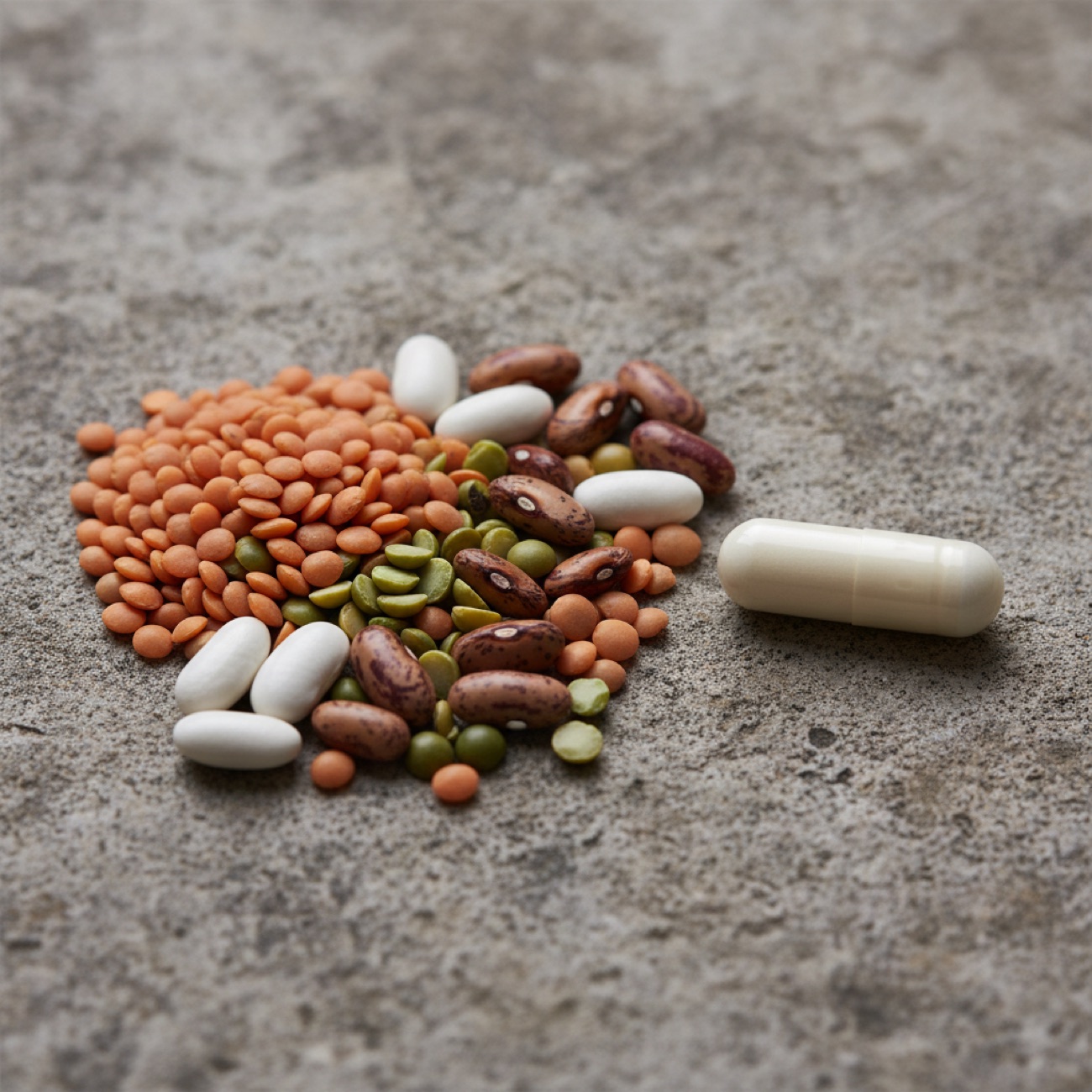
Most adults need just 45 micrograms of molybdenum per day, and a typical diet supplies that amount with ease. This guide covers where that number comes from, how much is too much, and what the science honestly says about supplementing with it.
What is molybdenum and why does the body need it?
Molybdenum is an essential trace element, meaning the body requires it in very small amounts but cannot make it on its own. According to the NIH Office of Dietary Supplements (ODS), molybdenum serves as a structural part of molybdopterin, the cofactor needed by four enzymes that carry out important chemical reactions in the body.
Those four enzymes are sulfite oxidase, xanthine oxidase, aldehyde oxidase, and mARC. Each one depends on molybdopterin to function. Sulfite oxidase helps the body metabolize sulfur-containing amino acids such as cysteine and methionine. Xanthine oxidase and aldehyde oxidase are involved in metabolizing purines, pyrimidines, and other heterocyclic compounds, which are building blocks found in DNA and RNA. The evidence that molybdenum is essential for these enzymatic roles is graded as strong by the NIH ODS.
How much molybdenum do adults need each day?
The NIH ODS sets the Recommended Dietary Allowance (RDA) for molybdenum at 45 micrograms (mcg) per day for adults aged 19 and older, including people who are pregnant or breastfeeding. This figure reflects the average daily intake estimated to meet the needs of nearly all healthy adults.
These are population-level reference values. If you have a specific health condition, a history of kidney disease, or questions about your individual needs, please consult a clinician or registered dietitian for personal guidance.
What is the safe upper limit?
The NIH ODS establishes a Tolerable Upper Intake Level (UL) for molybdenum of 2,000 mcg (2 mg) per day for adults aged 19 and older. The UL is the highest daily intake considered unlikely to cause adverse effects in healthy people.
For context, that upper limit is more than 44 times the RDA, which reflects a wide margin of safety at typical dietary intake levels. The NIH ODS notes that for healthy people, dietary molybdenum is considered safe because any excess is rapidly excreted by the kidneys.
Adverse effects are unlikely below the UL. However, very high intakes in the range of 10 to 15 mg per day, documented in populations living in regions with unusually high soil molybdenum concentrations, have been associated with joint aches, gout-like symptoms, and elevated blood uric acid levels. The evidence for this association is graded as limited by the NIH ODS, meaning it comes from a small number of studies and cannot yet support firm conclusions.
Which foods are the best sources?
Molybdenum is found naturally in a wide range of everyday foods. The richest sources, according to the NIH ODS, include:
- Legumes such as black beans, lima beans, and lentils
- Whole grains and grain products including bread and cereals
- Nuts and seeds
- Dairy products such as milk and yogurt
- Leafy green vegetables
The molybdenum content of plant foods varies depending on the concentration of the mineral in the soil where the crops were grown. Despite that variability, most people eating a balanced diet reach the 45 mcg RDA without difficulty.
Do you need a molybdenum supplement?
For most healthy adults eating a varied diet, a separate molybdenum supplement is not necessary. The NIH ODS grades the evidence that dietary molybdenum deficiency occurs in otherwise healthy people eating typical diets as insufficient, meaning there is not enough reliable research to confirm that deficiency is a practical concern for the general population.
Similarly, the evidence that molybdenum supplements treat or prevent any disease or disorder is graded as insufficient by the NIH ODS. As required by U.S. law, supplements are not intended to diagnose, treat, cure, or prevent any disease, and these statements have not been evaluated by the FDA.
Molybdenum is available in many multivitamin and multimineral products, often at amounts close to the 45 mcg RDA. Stand-alone molybdenum supplements also exist, typically in doses ranging from 50 mcg to 500 mcg. There is currently no established benefit to taking amounts above the RDA in healthy individuals, and intakes approaching or exceeding the 2,000 mcg UL should be avoided unless directed by a physician.
Are there any medication interactions?
According to the NIH Office of Dietary Supplements, molybdenum has no known, clinically relevant interactions with medications. That said, supplement science evolves, and individual circumstances vary. If you take prescription or over-the-counter medications and are considering adding any supplement to your routine, it is good practice to speak with your doctor or pharmacist first.
Who might warrant closer attention?
Certain groups may benefit from a conversation with a healthcare provider about their molybdenum status:
- People with impaired kidney function, since the kidneys are the primary route for excreting excess molybdenum
- Anyone receiving long-term total parenteral nutrition (intravenous feeding), where trace element monitoring is part of standard care
- People considering high-dose molybdenum supplements beyond what a standard multivitamin provides
These are situations where personalized clinical guidance matters more than any general population reference value.
Key takeaways
- The NIH ODS RDA for molybdenum is 45 mcg per day for adults
- The Tolerable Upper Intake Level is 2,000 mcg (2 mg) per day for adults 19 and older
- Molybdenum is essential for four enzymes, including sulfite oxidase and xanthine oxidase, with strong evidence supporting this role
- Most people reach the RDA through food alone, and deficiency in healthy adults eating typical diets is not well documented
- Evidence that supplements treat or prevent disease is insufficient
- Very high intakes above 10 mg per day have been linked to gout-like symptoms in limited research, but this is far above normal dietary or supplemental exposure
- Consult a clinician or pharmacist for personal dosing advice, especially if you have kidney disease or take medications
All intake figures in this guide are drawn from the NIH Office of Dietary Supplements and the National Academies of Sciences, Engineering, and Medicine Dietary Reference Intakes report. For the full data tables and methodology, visit the NIH ODS molybdenum fact sheet at ods.od.nih.gov.
Sources
- S1.gov verifiedNIH Office of Dietary Supplements (ODS)Molybdenum - Health Professional Fact Sheetods.od.nih.gov/factsheets/Molybdenum-HealthProfessio
- S2.gov verifiedNIH Office of Dietary Supplements (ODS)Molybdenum - Consumer Fact Sheetods.od.nih.gov/factsheets/Molybdenum-Consumer/
- S3.gov verifiedInstitute of Medicine (NASEM), Food and Nutrition BoardDietary Reference Intakes for Vitamin A, Vitamin K, Arsenic, Boron, Chromium, Copper, Iodine, Iron, Manganese, Molybdenum, Nickel, Silicon, Vanadium, and Zincnap.nationalacademies.org/catalog/10026