Dosing
Daily Riboflavin (Vitamin B2) Requirements by Age and Sex
A plain-language guide to how much riboflavin different people need each day, based on figures from the NIH Office of Dietary Supplements.
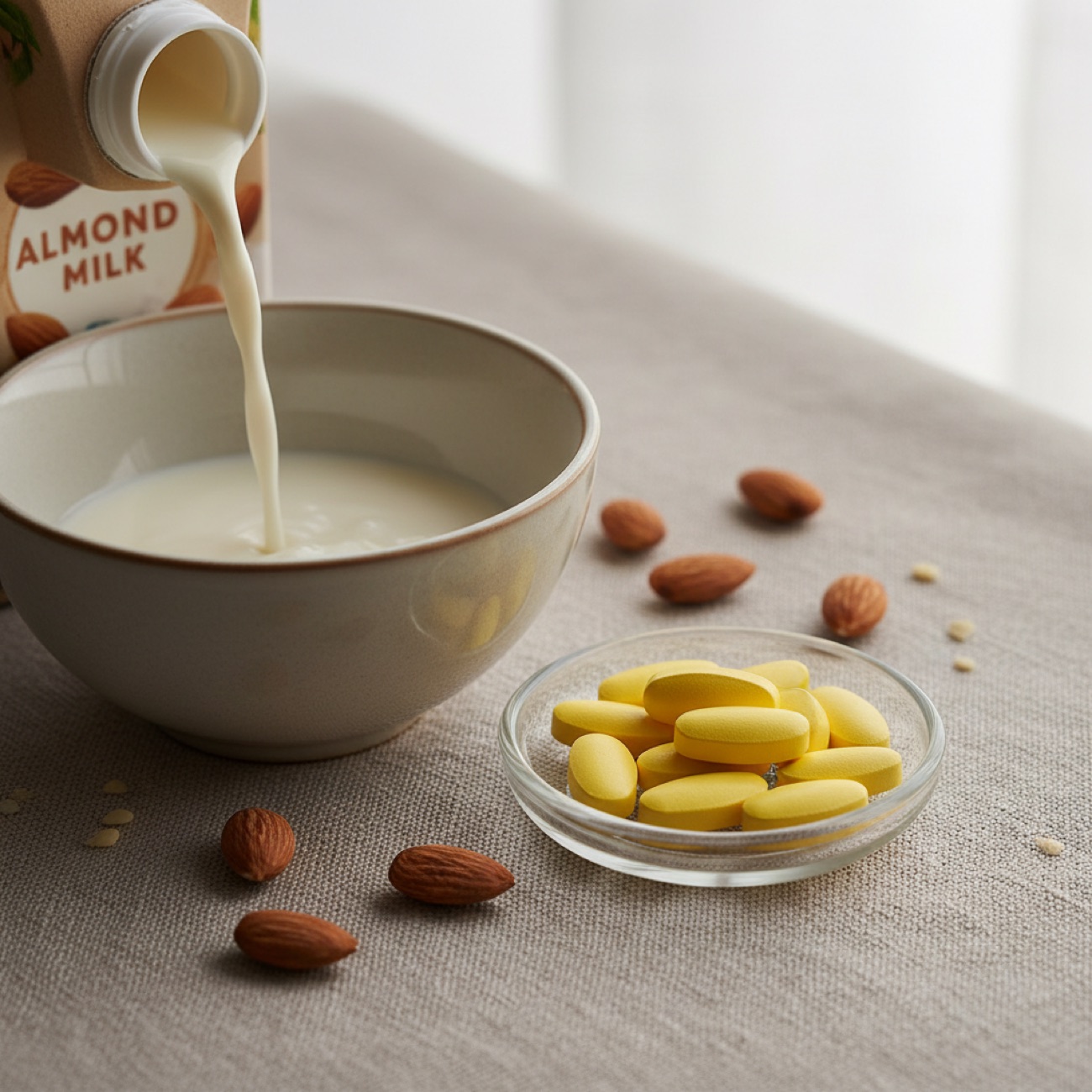
Riboflavin, also called vitamin B2, is a water-soluble vitamin your body needs every day to produce energy and support normal cell function. Most people in the United States meet their needs through food, but understanding the specific targets by age and sex can help you assess whether your diet is on track.
What riboflavin does in the body
Riboflavin serves as the core building block of two coenzymes, flavin adenine dinucleotide (FAD) and flavin mononucleotide (FMN). These coenzymes are required for energy production from fats, carbohydrates, and protein. Beyond energy metabolism, riboflavin supports normal cellular growth and development and aids in the metabolism of fats, drugs, and steroids.
Riboflavin also plays important supporting roles for other B vitamins. According to the NIH Office of Dietary Supplements, FAD and FMN are needed to convert tryptophan to niacin, to activate vitamin B6, and to help maintain normal homocysteine levels. The evidence for these metabolic functions is considered strong by nutrition researchers.
Daily requirements by age and sex
The values below are Recommended Dietary Allowances (RDAs) or Adequate Intakes (AIs) published by the NIH Office of Dietary Supplements and the National Academies of Sciences. An RDA is the average daily intake sufficient to meet the nutrient needs of nearly all healthy individuals in a given group.
Infants
- 0 to 6 months: 0.3 mg per day (AI)
- 7 to 12 months: 0.4 mg per day (AI)
Children
- 1 to 3 years: 0.5 mg per day
- 4 to 8 years: 0.6 mg per day
- 9 to 13 years: 0.9 mg per day
Adolescents
- 14 to 18 years, male: 1.3 mg per day
- 14 to 18 years, female: 1.0 mg per day
Adults
- 19 years and older, male: 1.3 mg per day
- 19 years and older, female: 1.1 mg per day
Pregnancy and lactation
- Pregnant individuals (any age): 1.4 mg per day
- Breastfeeding individuals (any age): 1.6 mg per day
These figures are population reference values intended for general educational purposes. Please consult a clinician or registered dietitian for guidance on your personal needs.
Upper intake level and safety
No Tolerable Upper Intake Level (UL) has been established for riboflavin. The NIH Office of Dietary Supplements notes that no adverse effects have been reported even from supplemental doses of around 400 mg per day taken for at least three months. Toxicity from food is not a practical concern because the intestine limits how much riboflavin it absorbs at one time.
The most noticeable effect of taking large supplemental doses is bright yellow urine. This is harmless and simply reflects the body excreting the excess vitamin. Riboflavin is considered very safe at intakes found in both food and typical supplements.
Supplements are not intended to diagnose, treat, cure, or prevent any disease, and these statements have not been evaluated by the FDA.
Food sources
Riboflavin is found naturally in a wide range of foods, making deficiency uncommon in people who eat a varied diet. Good sources include:
- Beef liver and organ meats
- Lean beef, pork, and poultry
- Fish, including salmon and clams
- Milk, yogurt, and cheese
- Eggs
- Fortified breakfast cereals and breads
- Almonds
- Spinach and other dark leafy greens
Because riboflavin is sensitive to light, storing milk and other dairy products in opaque containers rather than clear glass helps preserve the vitamin content.
Who may be at higher risk of low intake
Most healthy adults who eat a balanced diet get enough riboflavin. However, some groups may have lower intakes or higher needs, including people who avoid all animal products without careful dietary planning, competitive athletes with very high energy demands, and pregnant or breastfeeding individuals, whose requirements are higher than average as shown in the table above.
The NIH Office of Dietary Supplements also notes that prolonged phototherapy, used for newborn jaundice or certain skin disorders, can degrade riboflavin because ultraviolet and visible light rapidly inactivate the vitamin, potentially contributing to deficiency in those situations.
What the research shows about supplementation
Researchers have studied riboflavin supplementation for several purposes beyond correcting deficiency. It is important to understand the current level of evidence for each area:
- Energy metabolism and cell function: The role of riboflavin as FAD and FMN in energy production and normal cell function is well established. Evidence rating: strong.
- Migraine headache frequency: Some studies suggest that high-dose riboflavin (around 400 mg per day) may help reduce how often migraines occur in some adults. Evidence rating: limited. This dose is far above the RDA and should only be considered under medical supervision.
- Cancer risk: Some observational studies have looked at associations between riboflavin intake and risk of certain cancers, but the data are not consistent enough to draw conclusions. Evidence rating: insufficient.
- Pregnancy outcomes: A small number of studies have examined whether riboflavin supplementation during pregnancy improves maternal or infant outcomes. Results are not conclusive. Evidence rating: limited.
These evidence ratings reflect the current state of research and do not imply that riboflavin supplements treat or prevent any condition.
Interactions with medications
According to the NIH Office of Dietary Supplements, riboflavin is not known to have any clinically relevant interactions with medications. Even so, if you take prescription or over-the-counter medications regularly, it is good practice to talk to your doctor or pharmacist before adding any new supplement to your routine.
Key takeaways
- The adult RDA for riboflavin is 1.3 mg per day for men and 1.1 mg per day for women, according to the NIH Office of Dietary Supplements.
- Needs are higher during pregnancy (1.4 mg) and breastfeeding (1.6 mg).
- No upper intake limit has been set because riboflavin has a strong safety record even at high supplemental doses.
- Most people meet their needs through food, particularly dairy, meat, fish, and fortified grains.
- Consult a clinician or registered dietitian for personal dosing recommendations, especially during pregnancy, for children, or if you have a health condition.
Sources
- S1.gov verifiedNIH Office of Dietary SupplementsRiboflavin - Health Professional Fact Sheetods.od.nih.gov/factsheets/Riboflavin-HealthProfessio
- S2.gov verifiedNIH Office of Dietary SupplementsRiboflavin - Consumer Fact Sheetods.od.nih.gov/factsheets/Riboflavin-Consumer/
- S3.gov verifiedInstitute of Medicine (NASEM), Food and Nutrition BoardDietary Reference Intakes for Thiamin, Riboflavin, Niacin, Vitamin B6, Folate, Vitamin B12, Pantothenic Acid, Biotin, and Cholinewww.nap.edu/catalog/6015