Safety
Selenium Toxicity and the Safe Upper Limit
Understanding where the evidence-based ceiling sits for selenium intake and why staying below it matters.
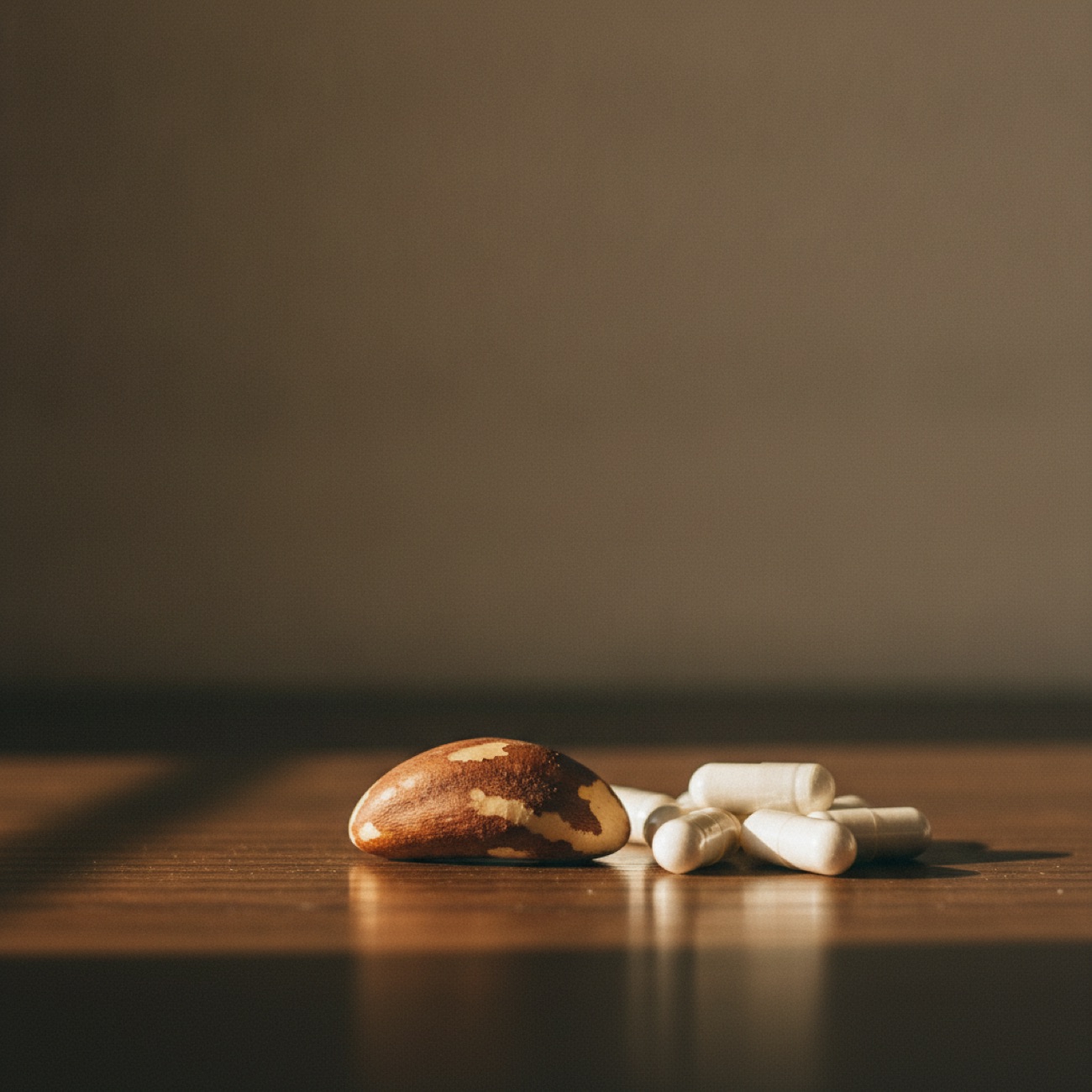
Selenium is an essential trace mineral with a well-defined safe range, and most adults in the United States already get enough from food alone. The gap between a beneficial intake and a potentially harmful one is narrower than with many other nutrients, making it worth understanding exactly where the boundaries lie.
What Selenium Does in the Body
According to the NIH Office of Dietary Supplements (ODS), selenium serves as a structural component of 25 selenoproteins. These include glutathione peroxidases, thioredoxin reductases, and selenoprotein P. Together, these proteins carry out several important physiological roles:
- Providing antioxidant protection by helping shield cells from oxidative damage
- Supporting normal thyroid hormone metabolism, including the conversion of the prohormone T4 into the active hormone T3
- Supporting DNA synthesis and normal reproduction
The evidence behind these core physiological functions is rated strong by the NIH ODS. It is important to note, however, that performing these functions is not the same as a supplement treating or preventing disease. Supplements are not intended to diagnose, treat, cure, or prevent any disease, and these statements have not been evaluated by the FDA.
How Much Do Adults Need?
The NIH ODS sets the Recommended Dietary Allowance for selenium at 55 micrograms (mcg) per day for adults. For context, the average daily intake from foods and beverages for people aged 2 and older in the United States is approximately 108 mcg per day, according to NIH ODS data. This means most Americans are already meeting and exceeding the target through diet alone, without any supplementation.
Common dietary sources include seafood, organ meats, muscle meats, cereals, and dairy products. Brazil nuts are particularly concentrated in selenium, and even a single nut can contribute a significant portion of daily intake.
The Tolerable Upper Intake Level: 400 mcg Per Day
The NIH ODS has established a Tolerable Upper Intake Level (UL) of 400 mcg per day for adults, counting selenium from all sources combined, meaning food and supplements together. This ceiling was set based on evidence of hair and nail brittleness and loss occurring at higher intakes.
Staying below the UL is advised unless selenium is taken under the supervision of a healthcare provider. Given that average dietary intake already sits at around 108 mcg per day, someone taking a standard 200 mcg supplement would be at approximately 308 mcg total, which is still below the UL but leaves a smaller margin than many people realize.
Signs and Symptoms of Selenium Toxicity (Selenosis)
Chronic intake above the UL can lead to a condition called selenosis. The NIH ODS notes that the earliest and most characteristic signs involve the hair and nails. Reported effects at excessive intake levels include:
- Brittle hair and hair loss
- Brittle or deformed nails
- Gastrointestinal disturbances such as nausea and diarrhea
- A garlic-like odor on the breath
- Fatigue and irritability
- Nerve damage in more severe cases
Acute selenium poisoning from very high doses is rare but serious. Anyone who suspects they have consumed an unusually large amount of selenium should contact a poison control center or seek medical attention promptly.
What the Research Says About Supplementation
It is worth being clear about the difference between selenium's established physiological roles and the claims sometimes made about supplements. The NIH ODS grades the evidence for several commonly discussed uses as follows:
- Antioxidant defense and selenoprotein function: Strong evidence
- Thyroid hormone metabolism (T4 to T3 conversion): Strong evidence
- DNA synthesis and reproduction support: Strong evidence
- Reducing overall cancer risk or specific cancers: Insufficient evidence
- Reducing cardiovascular disease risk: Insufficient evidence
- Reducing cognitive decline or Alzheimer's disease risk: Insufficient evidence
- Benefits for people living with HIV: Insufficient evidence
- Improving outcomes in Hashimoto's thyroiditis: Limited evidence
- Improving male fertility or sperm quality: Insufficient evidence
Honest grading matters here. Strong evidence for a physiological role does not automatically translate into a benefit from supplementation, particularly in people who are already getting adequate selenium from their diet.
Drug Interactions to Know About
The NIH ODS notes that selenium supplements may interact with certain medications, and some medications can affect selenium levels in the body. One documented interaction involves cisplatin, a platinum-based chemotherapy agent. Cisplatin can reduce selenium levels in hair and serum, though the NIH ODS notes that whether these reductions are clinically significant is not yet known. A Cochrane Review found insufficient evidence that selenium supplementation alleviates chemotherapy-related side effects.
If you take any medications regularly, including chemotherapy agents, thyroid medications, or anticoagulants, speak with your doctor or pharmacist before adding a selenium supplement. Do not adjust medication doses or discontinue any prescribed treatment based on supplement use.
Practical Guidance for Staying in the Safe Range
Because average dietary intake already covers the RDA for most adults in the United States, supplementation is often unnecessary for people eating a varied diet. If you are considering a selenium supplement, keep these points in mind:
- Add up your likely dietary intake before choosing a supplement dose, since food contributes an average of around 108 mcg per day for most Americans according to the NIH ODS
- The combined total from food and supplements should remain below 400 mcg per day
- Be cautious with Brazil nuts if you are also supplementing, as their selenium content is highly variable and can be very high
- Consult a clinician or pharmacist for personal dosing guidance, especially if you have a thyroid condition, are pregnant, or are managing a chronic illness
- Talk to your doctor before combining selenium supplements with any prescription medication
The Bottom Line
Selenium plays genuine and well-supported roles in antioxidant defense, thyroid hormone metabolism, and selenoprotein function. For most adults in the United States, dietary intake is already adequate, and the NIH ODS-established upper limit of 400 mcg per day from all sources combined provides a clear ceiling to respect. If you are uncertain about your selenium status or whether supplementation is appropriate for you, a conversation with your healthcare provider is the right starting point.
Sources: NIH Office of Dietary Supplements Selenium Health Professional Fact Sheet; NIH Office of Dietary Supplements Selenium Consumer Fact Sheet; National Academies of Sciences Dietary Reference Intakes (NBK225483).
Sources
- S1.gov verifiedNIH Office of Dietary SupplementsSelenium - Fact Sheet for Health Professionalsods.od.nih.gov/factsheets/Selenium-HealthProfessiona
- S2.gov verifiedNIH Office of Dietary SupplementsSelenium - Consumer Fact Sheetods.od.nih.gov/factsheets/Selenium-Consumer/
- S3.gov verifiedInstitute of Medicine (National Academies), Food and Nutrition BoardDietary Reference Intakes for Vitamin C, Vitamin E, Selenium, and Carotenoids (2000)www.ncbi.nlm.nih.gov/books/NBK225483/