Selenium forms
Selenomethionine vs Sodium Selenite: Organic and Inorganic Selenium Compared
A plain-language breakdown of how these two common supplement forms differ in absorption, safety, and the evidence behind selenium's known roles in the body.
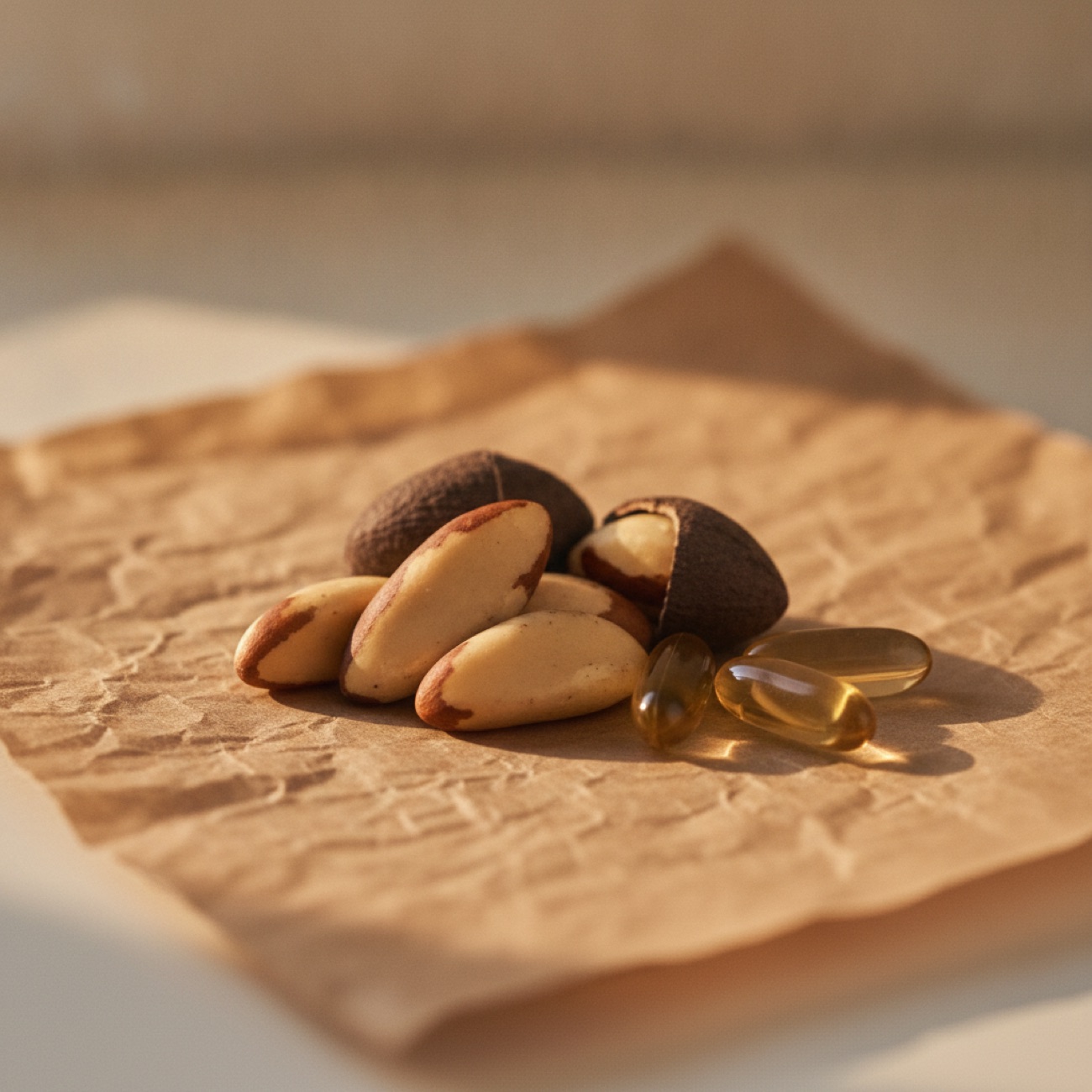
Selenium supplements come in two main forms, organic (selenomethionine) and inorganic (sodium selenite), and choosing between them raises practical questions about absorption and safety. This guide uses data from the NIH Office of Dietary Supplements to explain what each form does, what the research actually supports, and when to involve a clinician.
What Is Selenium and Why Does the Body Need It?
Selenium is an essential trace mineral. According to the NIH Office of Dietary Supplements, it serves as a structural component of 25 selenoproteins, a group that includes glutathione peroxidases, thioredoxin reductases, and selenoprotein P. Through these proteins, selenium contributes to antioxidant protection by helping shield cells from oxidative damage, and it plays a critical role in thyroid hormone metabolism, including the conversion of the prohormone T4 into the active hormone T3. The NIH also recognizes strong evidence that selenium supports DNA synthesis and normal reproduction.
The adult Recommended Dietary Allowance for selenium is 55 micrograms per day, and the Tolerable Upper Intake Level is 400 micrograms per day from food and supplements combined. Both figures come from the NIH Office of Dietary Supplements. For context, the average daily selenium intake from foods and beverages for people aged 2 and older in the United States is approximately 108 micrograms, meaning most Americans already meet the target through diet alone.
Organic Selenium: Selenomethionine
Selenomethionine is the form found naturally in plant foods such as Brazil nuts, grains, and legumes. The selenium atom is bonded to the amino acid methionine, which the body absorbs through the same intestinal pathway used for methionine itself. This mechanism gives selenomethionine a bioavailability advantage: research consistently shows it is absorbed more efficiently than inorganic forms, with estimates often cited above 90 percent.
Once absorbed, selenomethionine can be incorporated non-specifically into body proteins wherever methionine would normally go. This creates a storage pool that the body draws on over time. The practical implication is that selenomethionine tends to raise blood selenium levels more reliably and sustain them longer than inorganic forms at comparable doses. This characteristic is why selenomethionine is the form most commonly used in large clinical trials.
Key characteristics of selenomethionine
- Organic, amino acid-bound form
- High bioavailability, generally above 90 percent
- Incorporated into body protein pools, creating a longer-lasting reserve
- The predominant form in food-based selenium
- Commonly used in research trials, including the SELECT trial on selenium and cancer
Inorganic Selenium: Sodium Selenite
Sodium selenite is a salt form of selenium. It does not bind to amino acids, so it follows a different absorption pathway. Bioavailability is lower than selenomethionine, though still meaningful, with absorption estimates generally in the range of 50 to 70 percent depending on the study and the individual's baseline selenium status. Sodium selenite is reduced in the gut to selenide and then converted into selenocysteine, the form the body uses to build selenoproteins.
Because sodium selenite is not stored in general body proteins the way selenomethionine is, it contributes more directly to the active selenoprotein pool rather than building a broad reserve. Some researchers consider this a practical advantage when the goal is supporting selenoprotein activity specifically, though the clinical significance of this distinction in healthy adults remains a subject of ongoing study.
Key characteristics of sodium selenite
- Inorganic salt form of selenium
- Lower bioavailability than selenomethionine, roughly 50 to 70 percent
- Converted more directly into selenocysteine for selenoprotein synthesis
- Does not accumulate broadly in body protein pools
- Used in some clinical and agricultural research contexts
What the Evidence Actually Shows
It is important to be clear about what selenium research supports and what it does not. The NIH Office of Dietary Supplements grades the evidence as follows.
Strong evidence
- Selenium is an essential component of 25 selenoproteins and supports antioxidant defense against oxidative damage.
- Selenium is required for normal thyroid hormone metabolism, including conversion of T4 to active T3.
- Selenium supports DNA synthesis and normal reproduction.
Limited evidence
- Selenium supplementation may improve outcomes in chronic autoimmune thyroiditis (Hashimoto's thyroiditis), though the evidence is graded as limited and more research is needed before clinical recommendations can be made.
Insufficient evidence
- Selenium supplementation reduces the overall risk of cancer or specific cancers.
- Selenium supplementation reduces cardiovascular disease risk.
- Selenium supplementation reduces cognitive decline or Alzheimer's disease risk.
- Selenium supplementation benefits people living with HIV.
- Selenium supplementation improves male fertility or sperm quality.
These gradings come directly from the NIH Office of Dietary Supplements. Insufficient evidence does not mean a benefit has been disproven; it means current research is not strong enough to draw conclusions. Supplements are not intended to diagnose, treat, cure, or prevent any disease, and these statements have not been evaluated by the FDA.
Safety and the Upper Limit
The Tolerable Upper Intake Level of 400 micrograms per day for adults was set by the NIH Office of Dietary Supplements based on evidence of hair and nail brittleness and loss at higher intakes. Staying below this level is advised unless selenium is taken under the supervision of a healthcare provider. Because most Americans already consume around 108 micrograms per day from food, supplementation can push total intake meaningfully higher, making dose awareness important.
Drug Interactions
Selenium supplements can interact with certain medications. One documented example is cisplatin, a platinum-based chemotherapy agent, which can reduce selenium levels in hair and serum. Whether these reductions are clinically significant is not fully established, and a Cochrane Review found insufficient evidence that selenium supplementation alleviates chemotherapy side effects. Anyone taking medications regularly should discuss their selenium status with a healthcare provider or pharmacist before adding a supplement.
Practical Takeaways
- Selenomethionine offers higher bioavailability and builds broader tissue reserves; sodium selenite has lower absorption but converts more directly to active selenoproteins.
- For most adults in the United States, dietary intake alone already meets the 55 mcg daily target.
- The upper limit is 400 mcg per day from all sources combined, per the NIH Office of Dietary Supplements.
- Do not self-select a dose or form based on a specific health condition. Consult a clinician or pharmacist for personal guidance, especially if you take prescription medications.
Sources
- S1.gov verifiedNIH Office of Dietary SupplementsSelenium - Fact Sheet for Health Professionalsods.od.nih.gov/factsheets/Selenium-HealthProfessiona
- S2.gov verifiedNIH Office of Dietary SupplementsSelenium - Consumer Fact Sheetods.od.nih.gov/factsheets/Selenium-Consumer/
- S3.gov verifiedInstitute of Medicine (National Academies), Food and Nutrition BoardDietary Reference Intakes for Vitamin C, Vitamin E, Selenium, and Carotenoids (2000)www.ncbi.nlm.nih.gov/books/NBK225483/