Deficiency
Sodium Deficiency and Hyponatremia: When Low Sodium Becomes Dangerous
While most health headlines focus on too much sodium, dangerously low sodium levels are a real medical concern that deserves equal attention.
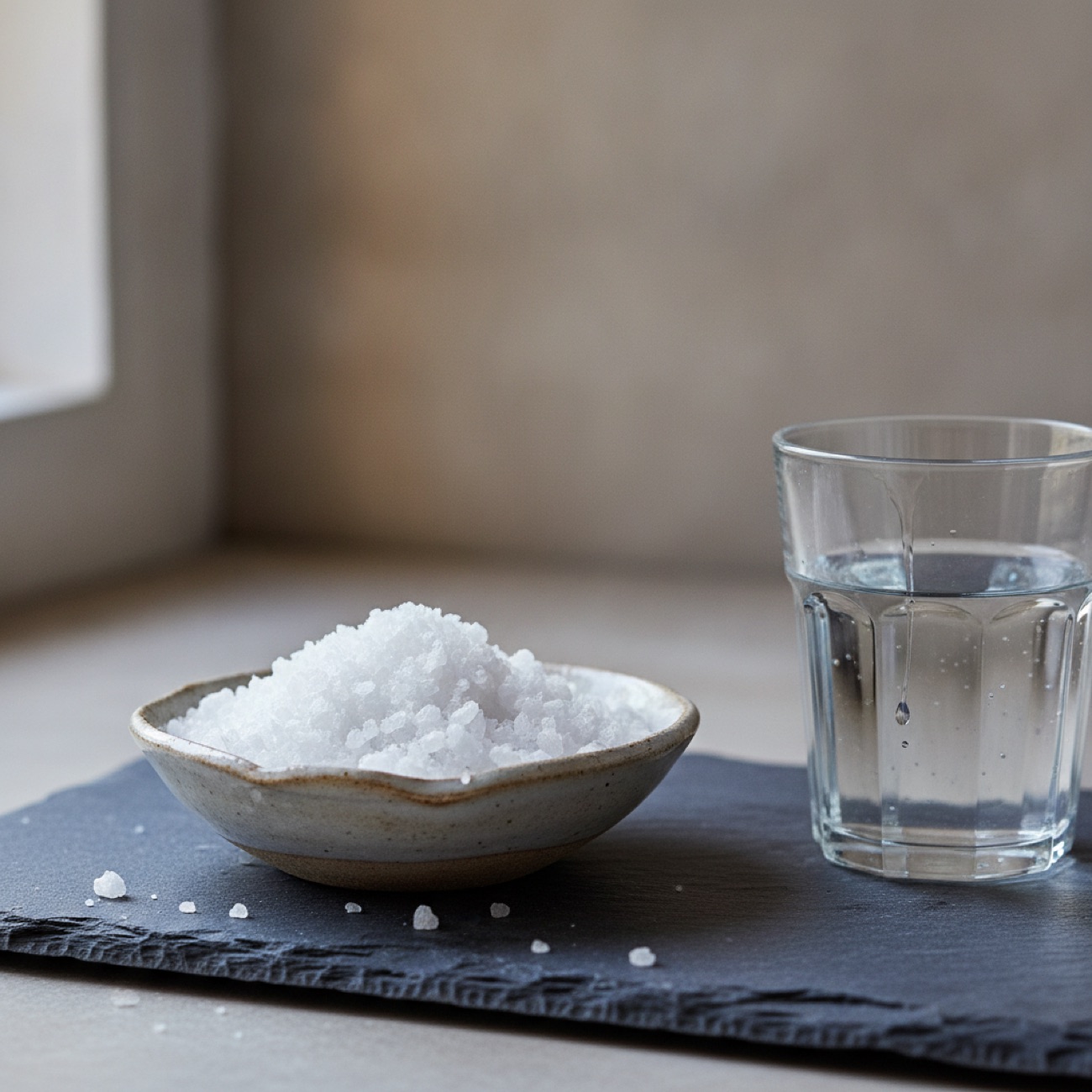
Sodium deficiency from a low-sodium diet alone is rare in healthy adults, but hyponatremia, a condition where blood sodium falls too low, is one of the most common electrolyte disorders seen in clinical settings. Understanding the difference matters, because the causes and risks are not the same thing.
What Sodium Actually Does in the Body
According to the NIH Office of Dietary Supplements (ODS), sodium performs three core physiological jobs that no other mineral can fully replace.
- Maintains the electrochemical gradient across cell membranes. The sodium-potassium (Na+/K+) ATPase pump moves sodium out of cells and potassium in, generating the electrical charge cells need to function. The NIH ODS notes this process alone accounts for an estimated 20 to 40 percent of resting energy expenditure, making it one of the most energy-intensive processes in the body.
- Controls extracellular fluid volume and blood pressure. Working alongside the kidneys and hormones such as aldosterone and antidiuretic hormone (ADH), sodium helps regulate how much fluid stays outside your cells and how much circulates in your bloodstream.
- Supports nerve impulse transmission and muscle contraction. Every time a nerve fires or a muscle fiber contracts, sodium ions rushing across the cell membrane are part of what makes it happen.
The evidence that sodium is essential for these functions is graded strong by the NIH ODS. These are physiological roles, not claims that any supplement treats or prevents disease. Supplements are not intended to diagnose, treat, cure or prevent any disease and these statements have not been evaluated by the FDA.
How Much Sodium Do Adults Need?
The NIH ODS, citing the 2019 National Academies (NASEM) Dietary Reference Intake report, sets the Adequate Intake (AI) for sodium at 1,500 mg per day for adults. This figure represents the estimated amount needed to replace obligatory losses and support normal function in a healthy person.
The same 2019 NASEM report replaced the previous Tolerable Upper Intake Level with a Chronic Disease Risk Reduction Intake (CDRR) of 2,300 mg per day. This means adults consuming above that level are advised to reduce intake to lower long-term cardiovascular risk. No formal upper intake level has been established in the traditional sense.
It is worth noting that most Americans consume well above both of these figures, which is why public health messaging tends to focus on reduction rather than adequacy.
What Is Hyponatremia and Why Does It Happen?
Hyponatremia refers to a serum sodium concentration below approximately 135 milliequivalents per liter, a threshold your clinician will interpret in the context of your full lab panel and symptoms. It is not simply the result of eating too little sodium. The condition most often develops because of a disruption in how the body handles water relative to sodium.
Common clinical causes include:
- Diuretic medications. Loop diuretics and thiazide diuretics increase urinary sodium loss and are a well-recognized contributor to hyponatremia. Potassium-sparing diuretics affect the sodium-potassium balance in a different way. The NIH ODS flags this interaction specifically. Anyone taking diuretics should discuss electrolyte monitoring with their prescriber.
- Excessive water intake (overhydration). Drinking far more water than the kidneys can excrete dilutes sodium in the blood. This is sometimes seen in endurance athletes who drink large volumes of plain water during prolonged events.
- Hormonal and kidney conditions. Conditions that affect ADH secretion, kidney function, or adrenal hormone output can all shift the sodium-water balance.
- Vomiting, diarrhea, and excessive sweating. These cause sodium losses alongside fluid losses. When fluid is replaced with plain water rather than an electrolyte solution, relative sodium levels can drop.
- Certain medications beyond diuretics. Some antidepressants, antiepileptics, and other drugs can affect ADH activity and contribute to low sodium.
Symptoms to Recognize
Mild hyponatremia may produce no obvious symptoms. As sodium levels fall further, symptoms can include nausea, headache, fatigue, confusion, and muscle cramps. Severe or rapidly developing hyponatremia is a medical emergency that can cause seizures, loss of consciousness, and life-threatening brain swelling. If you or someone around you shows sudden neurological symptoms alongside known risk factors for low sodium, seek emergency care immediately.
The Sodium and Lithium Interaction
One interaction the NIH ODS highlights that is not widely known outside clinical settings involves lithium, a medication used for bipolar disorder. Low sodium intake, or sodium loss from diuretics, sweating, or vomiting, reduces lithium clearance by the kidneys. This can raise lithium blood levels toward toxicity. Conversely, an abrupt increase in sodium intake can lower lithium levels and reduce its therapeutic effect. Anyone taking lithium should talk to their doctor before making significant changes to sodium intake or before starting any supplement that might affect fluid or electrolyte balance.
What About Sodium Supplements During Exercise?
Electrolyte products containing sodium are widely marketed for athletic performance and recovery. The NIH ODS grades the evidence that sodium supplementation benefits people beyond replacing losses during prolonged intense exercise as insufficient. Replacing what is genuinely lost through heavy sweating over extended periods is physiologically reasonable, but claims beyond that are not well supported by the current body of research. Consult a sports medicine clinician or registered dietitian for personalized guidance on electrolyte needs during training.
When to Talk to a Clinician
Hyponatremia is diagnosed through blood and urine tests and treated based on its underlying cause, its severity, and how quickly it developed. Self-treating suspected low sodium with supplements is not appropriate and can be harmful if the underlying cause is excess water retention rather than a true sodium deficit.
The NIH ODS population reference values described here are general benchmarks. They are not a substitute for personalized medical advice. If you take diuretics, lithium, corticosteroids, ACE inhibitors, ARBs, or NSAIDs, talk to your doctor or pharmacist before combining any electrolyte supplement with your current regimen, as these drug classes all interact with renal sodium handling in ways that require individual assessment.
Key Takeaways
- The NIH ODS Adequate Intake for sodium is 1,500 mg per day for adults, with a Chronic Disease Risk Reduction Intake of 2,300 mg per day.
- Sodium is essential for membrane potential, nerve transmission, muscle contraction, and fluid balance, and the evidence for these roles is strong.
- Hyponatremia is usually caused by water-sodium imbalance, not simply low dietary intake.
- Diuretics, certain medications, overhydration, and illness are common contributing factors.
- Evidence for sodium supplementation beyond replacing exercise-related losses is insufficient.
- Always consult a clinician for personal dosing decisions and before combining supplements with medication.
Sources
- S1.gov verifiedNIH / National Academies of Sciences, Engineering, and Medicine (NASEM)Dietary Reference Intakes for Sodium and Potassium (2019)www.ncbi.nlm.nih.gov/books/NBK538102/
- S2.gov verifiedLinus Pauling Institute, Oregon State University (Micronutrient Information Center)Sodium (Chloride)lpi.oregonstate.edu/mic/minerals/sodium
- S3.gov verifiedU.S. Food and Drug AdministrationSodium in Your Diet: Use the Nutrition Facts Label and Reduce Your Intakewww.fda.gov/food/nutrition-education-resources-mater
- S4.gov verifiedNIH Office of Dietary SupplementsNutrient Recommendations and Databases: Dietary Reference Intakes (DRIs)ods.od.nih.gov/HealthInformation/nutrientrecommendat