Timing
Can You Take Vitamin C and Iron Together for Better Uptake
Pairing vitamin C with nonheme iron sources is a well-supported strategy for improving absorption, but the details matter.
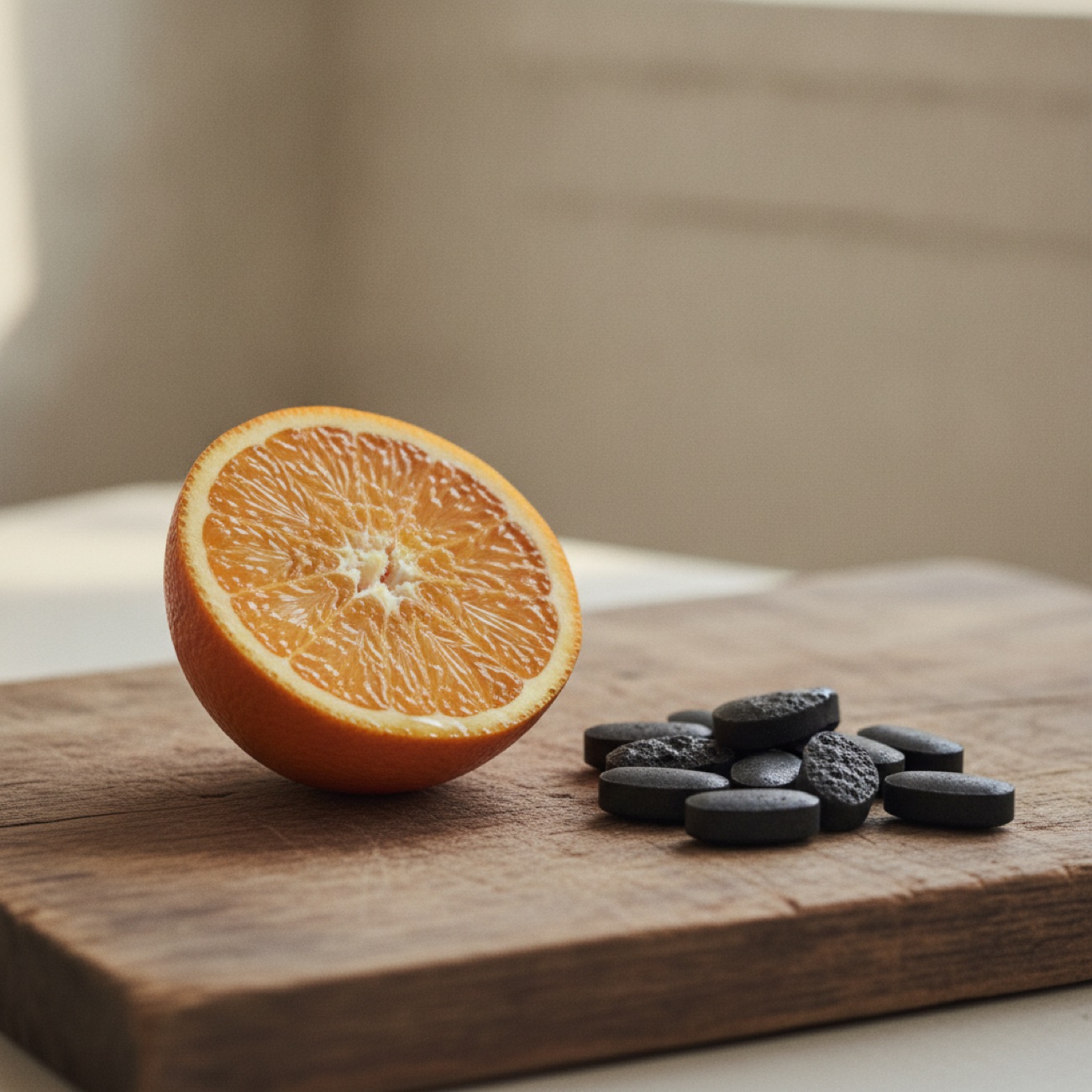
Taking vitamin C alongside a nonheme iron source, whether from food or a supplement, can meaningfully improve how much iron your body absorbs. That said, the right amounts, timing, and safety considerations depend on your individual health picture, so read on before changing your routine.
Why Iron Absorption Is Complicated
Not all dietary iron behaves the same way in the body. Heme iron, found in meat, poultry, and fish, is absorbed relatively efficiently. Nonheme iron, found in plant foods such as lentils, spinach, and fortified cereals, is absorbed far less predictably. Factors in your gut, your meals, and even other supplements you take can raise or lower how much nonheme iron actually makes it into your bloodstream.
According to the NIH Office of Dietary Supplements (ODS), vitamin C supports immune function and enhances absorption of nonheme iron, and the evidence for this physiological role is graded as strong. This makes the vitamin C and iron pairing one of the better-supported nutrient interactions in the nutrition literature.
What Vitamin C Does in the Body
Vitamin C is a water-soluble nutrient with several important roles beyond iron absorption. The NIH ODS notes that it is required for the biosynthesis of collagen, an essential component of connective tissue that plays a vital role in wound healing. It is also needed to make L-carnitine and certain neurotransmitters, and it is involved in protein metabolism. Additionally, vitamin C acts as an important physiological antioxidant that limits damage from free radicals and helps regenerate other antioxidants, including alpha-tocopherol (vitamin E). The evidence that vitamin C performs these core physiological functions is graded strong by the NIH ODS.
The recommended dietary allowance (RDA) for adults, as reported by the NIH ODS, is 90 mg per day for men and 75 mg per day for women aged 19 and older. The tolerable upper intake level (UL) is 2,000 mg per day for adults. Intakes above that UL raise the risk of gastrointestinal effects such as diarrhea and cramps. For healthy people, vitamin C from food and supplements is considered safe up to this level.
What Iron Does in the Body
Iron serves as an essential component of hemoglobin, the red blood cell protein that carries oxygen from the lungs to the tissues, a role supported by strong evidence according to the NIH ODS. It also forms part of myoglobin, a protein that supplies oxygen to muscle and supports muscle metabolism and healthy connective tissue. Iron further supports physical growth and neurological development, also graded as strong evidence.
The RDA for iron, per the NIH ODS, is 8 mg per day for men aged 19 to 50 and 18 mg per day for women aged 19 to 50. The UL for adults is 45 mg per day, based on gastrointestinal effects. People in the United States usually obtain adequate iron from diet, and adults with normal intestinal function have very little risk of iron overload from food sources alone.
How the Pairing Works
Vitamin C helps convert nonheme iron from its ferric form into its ferrous form, which the intestinal lining absorbs more readily. In practical terms, this means eating or supplementing with vitamin C at the same time as a nonheme iron source, rather than hours apart, is what produces the absorption benefit. The timing matters because both nutrients need to be present together in the digestive tract.
Common practical approaches include:
- Drinking a small glass of orange juice or another vitamin C-rich juice with an iron-fortified cereal
- Adding bell peppers, tomatoes, or broccoli to a lentil or bean dish
- Taking a vitamin C supplement at the same time as an iron supplement, if a clinician has recommended iron supplementation
Note that this pairing specifically benefits nonheme iron. The effect on heme iron from animal sources is smaller and less clinically significant.
What the Evidence Does Not Support
It is worth being clear about the boundaries of what the research shows. The NIH ODS grades the evidence that vitamin C supplements reduce the risk of cancer as insufficient, and the evidence that they prevent cardiovascular disease as also insufficient. Evidence that vitamin C reduces the risk of age-related cataract or macular degeneration is graded limited. The evidence that taking vitamin C prophylactically prevents the common cold in the general population is insufficient, though regular supplementation may modestly shorten cold duration, which is graded as moderate evidence.
These supplements are not intended to diagnose, treat, cure, or prevent any disease, and these statements have not been evaluated by the FDA.
Drug Interactions and Safety Considerations
Both nutrients have documented interactions with medications that you should know about before combining them.
Iron Interactions
- Levodopa: iron supplements can reduce absorption of levodopa, possibly by chelation, and may reduce its clinical effectiveness.
- Levothyroxine: taking iron at the same time as levothyroxine can reduce the medication's absorption and efficacy. Labels advise separating iron by at least four hours.
- Proton pump inhibitors: drugs such as lansoprazole and omeprazole lower stomach acidity and can reduce nonheme iron absorption.
- Calcium: calcium may reduce the bioavailability of both nonheme and heme iron, though the effect is not definitively established. Some experts suggest taking calcium and iron supplements at different times.
Vitamin C Interactions
- Chemotherapy and radiation therapy: it is uncertain whether high-dose vitamin C and other antioxidants protect tumor cells, protect normal tissue, or alter treatment effectiveness. Anyone undergoing chemotherapy or radiation should consult their oncologist before taking vitamin C or other antioxidant supplements, especially in high doses.
- Statin and niacin therapy: vitamin C, in combination with other antioxidants, may reduce the rise in HDL cholesterol produced by combination niacin plus simvastatin therapy. Clinicians should monitor lipid levels in people taking both statins and antioxidant supplements.
Who Should Be Cautious
People with hemochromatosis or other iron overload conditions should not increase iron absorption without medical supervision, as enhancing nonheme iron uptake could worsen their condition. Pregnant women, frequent blood donors, and people managing chronic diseases such as heart failure may have specific iron needs that require clinician guidance rather than self-directed supplementation.
Practical Takeaways
For most healthy adults, pairing vitamin C-rich foods with nonheme iron sources at meals is a sensible, low-risk way to support iron absorption. Staying within the NIH ODS-recommended amounts, 90 mg of vitamin C daily for men and 75 mg for women, alongside an iron intake at or below the 45 mg daily UL, keeps both nutrients in a well-studied safe range for adults. If you are considering supplements rather than food sources, or if you take any prescription medications, please consult a clinician or pharmacist before adding either nutrient to your routine. Personalized dosing decisions should always involve a qualified healthcare provider.
Sources
- S1.gov verifiedNIH Office of Dietary SupplementsVitamin C - Health Professional Fact Sheetods.od.nih.gov/factsheets/VitaminC-HealthProfessiona
- S2.gov verifiedNIH Office of Dietary SupplementsVitamin C - Consumer Fact Sheetods.od.nih.gov/factsheets/VitaminC-Consumer/
- S3.gov verifiedNational Academies of Sciences, Engineering, and Medicine (Food and Nutrition Board)Dietary Reference Intakes for Vitamin C, Vitamin E, Selenium, and Carotenoidsnap.nationalacademies.org/catalog/9810/dietary-refer
- S4.gov verifiedNIH Office of Dietary SupplementsIron - Health Professional Fact Sheetods.od.nih.gov/factsheets/Iron-HealthProfessional/
- S5.gov verifiedNIH Office of Dietary SupplementsIron - Consumer Fact Sheetods.od.nih.gov/factsheets/Iron-Consumer/