Interactions
Turmeric Curcumin and Blood Thinner Interactions
What the evidence actually says about combining curcumin supplements with anticoagulant and antiplatelet medicines.
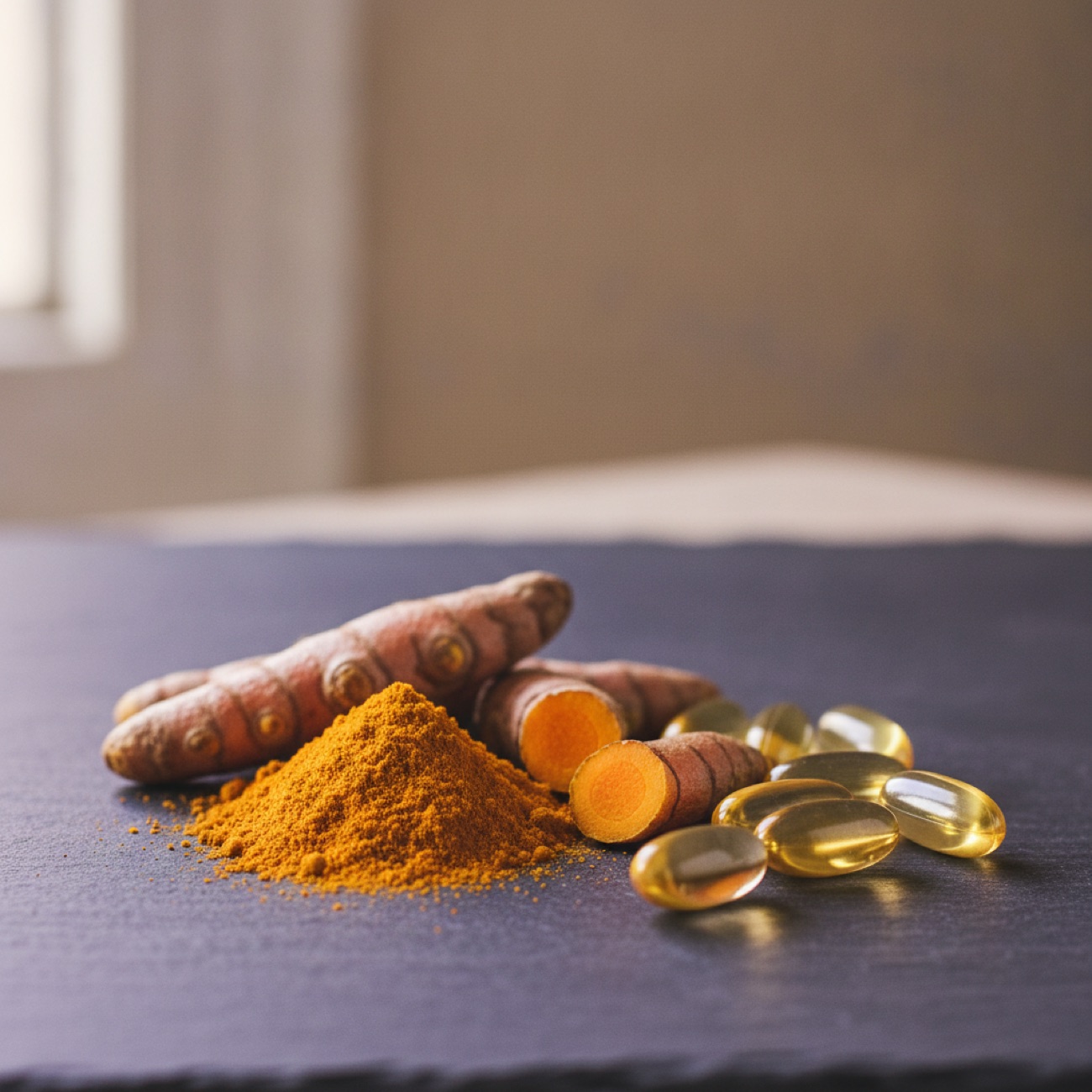
Turmeric and its active compound curcumin are among the most widely used supplements in the world, but if you take a blood thinner such as warfarin, aspirin, or clopidogrel, there is a specific interaction concern you should know about before adding them to your routine. This guide summarizes what the evidence shows, grades that evidence honestly, and explains when a conversation with your doctor or pharmacist is not optional.
What Turmeric and Curcumin Actually Are
Turmeric is a root spice derived from the plant Curcuma longa. According to the NIH Office of Dietary Supplements (ODS), curcumin is the compound responsible for turmeric's characteristic yellow color and much of its flavor. Beyond culinary use, turmeric has a long history in Ayurvedic, Chinese, Islamic, and Thai traditional medicine systems, where it has been applied to a wide range of complaints over centuries.
Modern researchers have studied curcumin as a plant-derived compound with antioxidant and anti-inflammatory activity in laboratory settings. It is important to note, however, that laboratory findings do not automatically translate into proven benefits in people. The NIH ODS grades the clinical evidence for curcumin benefiting any specific health condition as insufficient at this time.
No Established Daily Target or Upper Limit
Unlike vitamins and minerals that have Dietary Reference Intake values, the NIH ODS has not established an adult target intake or an upper tolerable limit for turmeric or curcumin. This means there is no official benchmark for how much is considered optimal, and no government-set ceiling that signals when intake becomes risky. The absence of an upper limit does not mean unlimited amounts are safe. It means the data needed to set that number do not yet exist.
Supplements containing turmeric or curcumin are not intended to diagnose, treat, cure, or prevent any disease, and these statements have not been evaluated by the FDA.
The Blood Thinner Interaction Explained
This is the most clinically relevant concern for many supplement users. The National Center for Complementary and Integrative Health (NCCIH) notes that curcumin may add to the effect of anticoagulant or antiplatelet medicines. The medicines most commonly cited in this context include:
- Warfarin (brand names Coumadin, Jantoven)
- Aspirin used at antiplatelet doses
- Clopidogrel (Plavix)
In plain terms, curcumin appears to have properties that could reduce the tendency of blood to clot. When combined with a prescribed medicine that already works to thin the blood or prevent clotting, the combined effect could potentially be stronger than intended. An exaggerated anticoagulant effect raises the risk of bleeding, including serious internal bleeding.
It is essential to be transparent about the strength of this evidence. The NCCIH describes this interaction as based on limited evidence. That means it has been observed or is biologically plausible, but large, well-controlled human trials have not confirmed the magnitude of the risk. Limited evidence does not mean no risk. It means the risk is real enough to warrant caution and medical advice before combining these substances.
Why Formulation Type Matters
Standard turmeric powder and conventionally formulated curcumin supplements are absorbed poorly from the digestive tract. To address this, manufacturers have developed highly bioavailable formulations that use techniques such as nanoparticles, phospholipid complexes, or piperine (black pepper extract) to increase absorption substantially.
Higher absorption means more curcumin reaches the bloodstream, which could amplify both potential benefits and potential risks, including the interaction with blood thinners. The NCCIH has also linked highly bioavailable curcumin formulations to liver damage in some people. If you are taking any medicine that affects the liver, this is an additional reason to discuss supplement use with a clinician before starting.
What the Evidence Shows for Common Uses
The NIH ODS grades the evidence for turmeric and curcumin as follows:
- Providing the yellow color and flavor of turmeric spice used as food: Strong evidence.
- Improving osteoarthritis symptoms when taken orally: Limited evidence.
- Improving measures of nonalcoholic fatty liver disease (NAFLD): Insufficient evidence.
- Relieving oral mucositis symptoms as a mouthwash in cancer patients: Insufficient evidence.
- Benefiting any specific health condition overall: Insufficient evidence.
These grades are drawn directly from the NIH ODS and NCCIH, and they reflect the current state of human clinical research, not laboratory or animal studies alone.
Other Interactions and Safety Considerations
Beyond blood thinners, the NCCIH notes two additional interaction concerns worth knowing:
- Diabetes medicines: Curcumin may lower blood sugar and could add to the effect of medicines used to manage diabetes. This combination warrants monitoring and a provider consultation. The evidence here is also described as limited.
- Liver-stressing substances: The risk of liver injury associated with highly bioavailable curcumin formulations may be greater when combined with other substances that can stress the liver, including certain prescription medicines, alcohol, and other supplements.
Regarding general safety, the NCCIH states that conventionally formulated oral turmeric or curcumin is likely safe in recommended amounts for up to 2 to 3 months, and that it is generally well tolerated at usual food and supplement amounts. Use during pregnancy may be unsafe beyond typical food amounts, and safety during breastfeeding is unclear beyond dietary levels.
When to Talk to a Doctor or Pharmacist
The NCCIH advises that if you take any medicine, you should talk with your health care provider before using any herbal product, because some herbs and medicines interact in harmful ways. This guidance applies broadly, but it is especially important if you:
- Take warfarin, aspirin for heart or stroke prevention, clopidogrel, or any other anticoagulant or antiplatelet medicine
- Take medicines for diabetes or blood sugar management
- Have liver disease or take medicines that affect liver function
- Are pregnant or breastfeeding
- Are considering a highly bioavailable curcumin formulation rather than standard turmeric powder
A pharmacist can review your full medication list and flag potential interactions quickly. This is a practical first step even before scheduling a full appointment. For personal dosing guidance, always consult a qualified clinician or pharmacist rather than relying on population-level reference values, which do not exist for this supplement in any case.
Bottom Line
Turmeric and curcumin have a long history of culinary and traditional use, and researchers continue to study their potential. At present, the NIH grades clinical evidence for curcumin benefiting specific health conditions as limited to insufficient. The interaction with blood thinners such as warfarin, aspirin, and clopidogrel is a real concern supported by limited but meaningful evidence, and it requires a conversation with your health care provider before you combine them. If you are on any prescribed medicine, that conversation is the right place to start.
Sources
- S1.gov verifiedNIH National Center for Complementary and Integrative Health (NCCIH)Turmericwww.nccih.nih.gov/health/turmeric
- S2.gov verifiedNIH Office of Dietary Supplements (ODS)Dietary Supplements for Whole-Body Health (background on supplement regulation; ODS maintains no turmeric-specific Health Professional fact sheet)ods.od.nih.gov/factsheets/list-all/