Dosing
Which Vitamins and Minerals Have a Daily Upper Limit
A plain-language guide to Tolerable Upper Intake Levels for key nutrients, based on data from the NIH Office of Dietary Supplements.
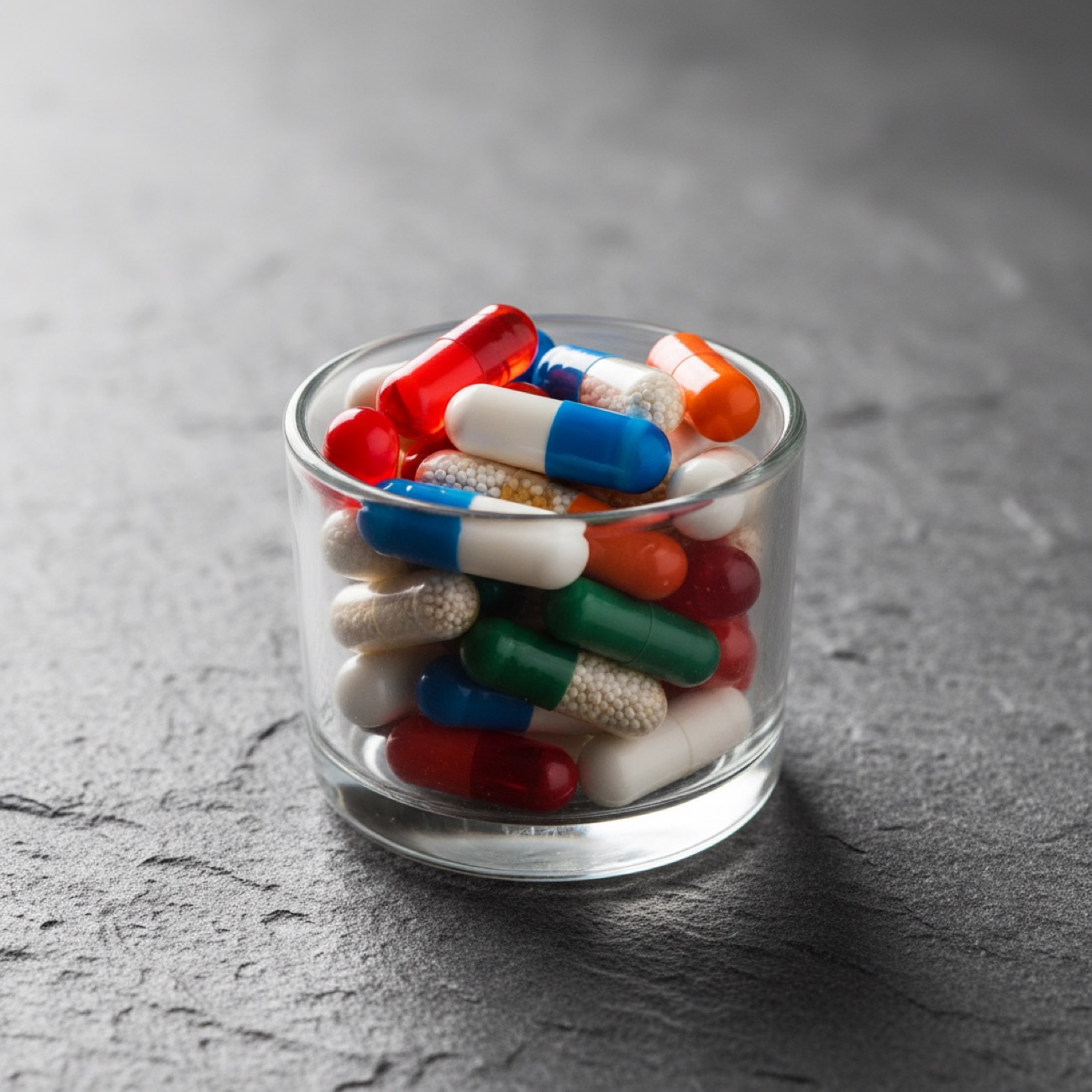
Some vitamins and minerals are safe at very high intakes, while others can cause real harm if you consistently take too much. This guide covers the nutrients that have a defined Tolerable Upper Intake Level (UL), explains what that number means, and notes the safety signals you should know.
Please note: supplements are not intended to diagnose, treat, cure, or prevent any disease, and these statements have not been evaluated by the FDA. All figures below come from the NIH Office of Dietary Supplements and the National Academies Dietary Reference Intakes reports. Consult a clinician or pharmacist before choosing a personal dose, and talk to a doctor before combining any supplement with medication.
What Is a Tolerable Upper Intake Level?
A Tolerable Upper Intake Level is the highest average daily intake from food and supplements combined that is unlikely to cause harm in healthy people. It is not a recommended target. Staying below the UL means your risk of adverse effects from that nutrient is considered low. Going above it does not guarantee harm, but it does mean risk rises in a meaningful way.
Not every nutrient has a UL. When researchers do not have enough data to define a safe upper boundary, no UL is set. That does not mean unlimited intake is safe, only that a precise ceiling has not been established.
Vitamin A
Key numbers
- Daily target: 900 mcg RAE for adult men, 700 mcg RAE for adult women
- Tolerable Upper Intake Level (adults 19 and older): 3,000 mcg of preformed vitamin A per day, which is roughly equivalent to 10,000 IU
- No UL is set for provitamin A carotenoids such as beta-carotene from food or supplements
What vitamin A does
Vitamin A is an essential component of rhodopsin, the light-sensitive protein in the retina that supports normal vision. It also plays a role in immune function, cell signaling, and the maintenance of the cornea and conjunctival membranes.
Why the UL matters here
The UL applies only to preformed vitamin A (retinol and retinyl esters), which is found in animal foods and in many supplements. Preformed vitamin A is stored in the liver and can accumulate to toxic levels. Evidence that vitamin A is essential for vision and immune function is rated strong by the NIH ODS. Evidence that vitamin A or beta-carotene supplements prevent cancer is rated insufficient. Notably, high-dose beta-carotene supplements are associated with increased lung cancer risk in people who smoke or who were exposed to asbestos, and that evidence is rated strong.
People who are pregnant or may become pregnant are advised not to take high-dose vitamin A supplements above 3,000 mcg per day, because excess preformed vitamin A carries teratogenic risk. If you take the weight-loss drug orlistat (Alli or Xenical), it can reduce absorption of fat-soluble vitamins including vitamin A. Synthetic retinoid medications such as acitretin or isotretinoin can increase the risk of vitamin A toxicity when combined with supplements, so always discuss this with your prescriber.
Iron
Key numbers
- Daily target: 8 mg for adult men aged 19 to 50, 18 mg for adult women aged 19 to 50
- Tolerable Upper Intake Level (adults): 45 mg per day from food and supplements combined
What iron does
Iron is an essential component of hemoglobin, the protein in red blood cells that carries oxygen from the lungs to the tissues. It also forms part of myoglobin, which supplies oxygen to muscle. Iron supports physical growth and neurological development.
Why the UL matters here
The 45 mg UL is based on gastrointestinal effects such as nausea, constipation, and abdominal discomfort. Adults with normal intestinal function have very little risk of iron overload from food alone. Higher doses are sometimes prescribed clinically to replenish stores in people with deficiency, but that should happen under medical supervision.
Several medications interact with iron. Iron can reduce the absorption of levodopa and levothyroxine, so labels for levothyroxine advise separating iron by at least four hours. Proton pump inhibitors such as omeprazole can reduce nonheme iron absorption. Calcium may also reduce iron bioavailability, and some experts suggest taking calcium and iron supplements at different times. Talk to your doctor or pharmacist about timing if you take any of these medications.
Zinc
Key numbers
- Daily target: 11 mg for adult men, 8 mg for adult women
- Tolerable Upper Intake Level (adults): 40 mg per day from food and supplements combined
What zinc does
Zinc is required for the catalytic activity of hundreds of enzymes. It plays a role in immune function, protein and DNA synthesis, wound healing, and cell division. Evidence for these physiological roles is rated strong.
Why the UL matters here
The 40 mg UL is based on levels that adversely affect copper status. Doses of 50 mg or more per day over several weeks can reduce copper absorption and impair immune function. The UL does not apply to individuals receiving zinc for medical treatment under physician supervision.
Evidence that zinc lozenges or syrup taken shortly after cold onset may reduce the duration of symptoms is rated limited by the NIH ODS. Evidence that zinc supplementation prevents or improves type 2 diabetes is rated insufficient.
Zinc interacts with several medications. Quinolone and tetracycline antibiotics can inhibit absorption of both the antibiotic and zinc when taken together. The standard advice is to take the antibiotic at least two hours before or four to six hours after a zinc supplement. Zinc can also reduce absorption of penicillamine, used for rheumatoid arthritis and Wilson disease. Thiazide diuretics increase urinary zinc excretion and may lower zinc levels over time. Discuss timing and dosing with your pharmacist if any of these apply to you.
Nutrients Without a Formal UL
Many nutrients, including several B vitamins, vitamin C, and vitamin K, either have a UL set at very high levels or have no defined UL because evidence of harm at high intakes is limited. No UL does not mean unlimited intake is proven safe. It means the data needed to set a precise boundary are not yet available.
Practical Takeaways
- For vitamin A, iron, and zinc, the UL is a real safety boundary, not a rough guideline.
- Most people in the United States who eat a varied diet are not at risk of deficiency, and adding high-dose supplements without a clinical reason increases risk without a proven benefit for healthy adults.
- If you take prescription medications, check for interactions before adding any supplement.
- For personal dosing guidance, speak with a clinician or registered dietitian who can review your full health picture.
Sources
- S1.gov verifiedNIH Office of Dietary SupplementsVitamin A and Carotenoids - Health Professional Fact Sheetods.od.nih.gov/factsheets/VitaminA-HealthProfessiona
- S2.gov verifiedNIH Office of Dietary SupplementsVitamin A and Carotenoids - Consumer Fact Sheetods.od.nih.gov/factsheets/VitaminA-Consumer/
- S3.gov verifiedInstitute of Medicine (now NASEM), Food and Nutrition BoardDietary Reference Intakes for Vitamin A, Vitamin K, Arsenic, Boron, Chromium, Copper, Iodine, Iron, Manganese, Molybdenum, Nickel, Silicon, Vanadium, and Zincnap.nationalacademies.org/catalog/10026/dietary-refe
- S4.gov verifiedNIH Office of Dietary SupplementsIron - Health Professional Fact Sheetods.od.nih.gov/factsheets/Iron-HealthProfessional/
- S5.gov verifiedNIH Office of Dietary SupplementsIron - Consumer Fact Sheetods.od.nih.gov/factsheets/Iron-Consumer/