Interactions
Which Supplements Interact With Warfarin
Three common supplements, vitamin K, ginkgo biloba, and garlic, can affect how warfarin works in your body, and knowing the differences matters for your safety.
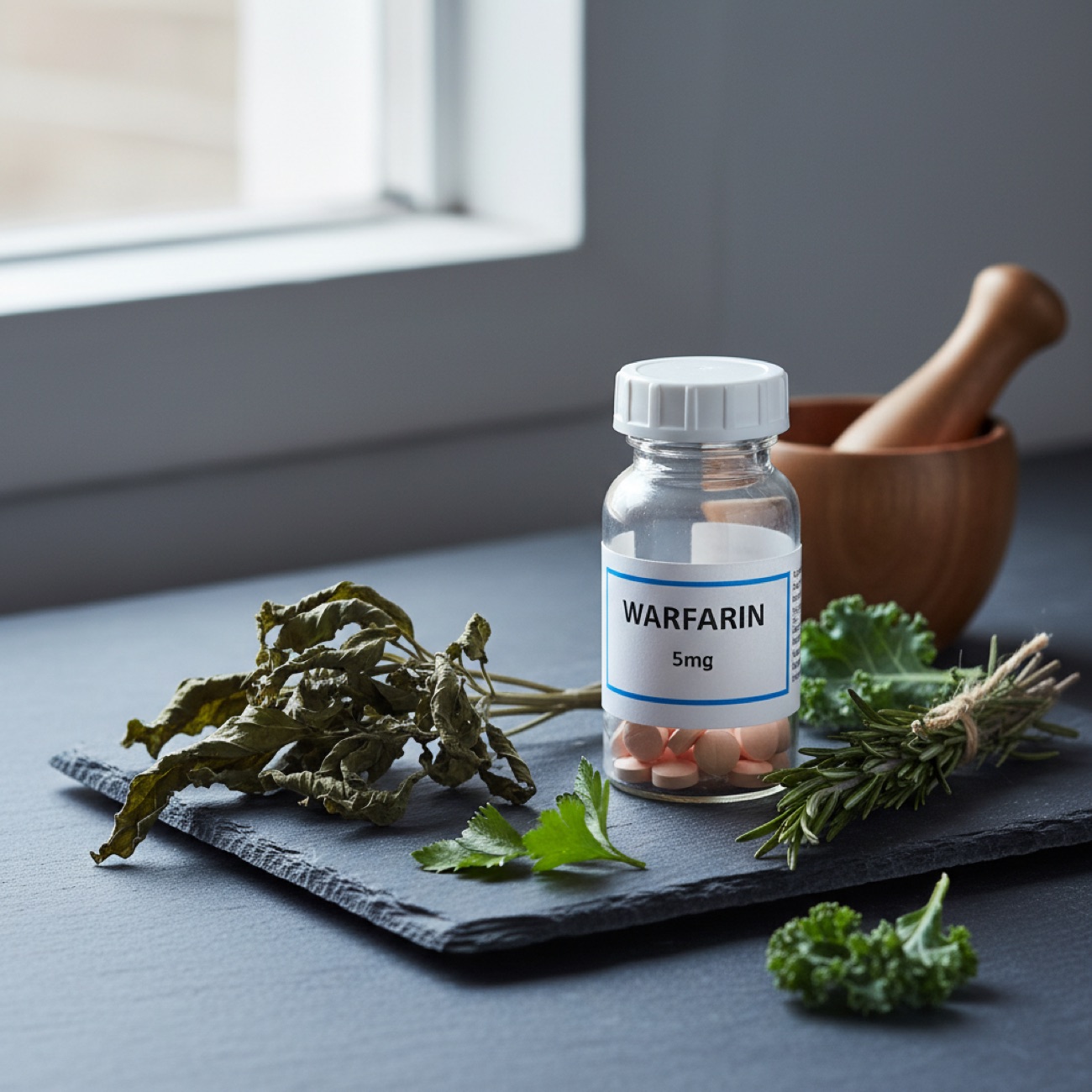
If you take warfarin (Coumadin), certain dietary supplements can change how well the drug controls your blood clotting, sometimes in serious ways. This guide covers what the evidence says about three supplements that appear most often in clinical conversations about warfarin: vitamin K, ginkgo biloba, and garlic.
Supplements are not intended to diagnose, treat, cure or prevent any disease and these statements have not been evaluated by the FDA. Always talk to your doctor or pharmacist before combining any supplement with a prescription medication, including warfarin.
Why Warfarin Users Need to Think About Supplements
Warfarin works by blocking vitamin K-dependent clotting factors in the blood. Because several supplements affect either clotting pathways or platelet function, they can shift your INR (a measure of how long it takes your blood to clot) in ways that are hard to predict without monitoring. The interaction risk is not the same for every supplement, and the mechanisms differ, so each one deserves its own look.
Vitamin K
What it does
According to the NIH Office of Dietary Supplements (ODS), vitamin K acts as a coenzyme for vitamin K-dependent carboxylase, the enzyme required to synthesize proteins involved in hemostasis. One of those proteins is prothrombin (clotting factor II), which plays a direct role in blood clotting. Vitamin K also supports carboxylation of osteocalcin, a bone protein that may be involved in bone mineralization or turnover.
The interaction with warfarin
The ODS describes this as the most important safety consideration for vitamin K: warfarin and similar vitamin K antagonists (including phenprocoumon and acenocoumarol) work precisely by blocking vitamin K activity and depleting vitamin K-dependent clotting factors. Sudden increases in vitamin K intake reduce warfarin's effect; sudden decreases can strengthen it. The key word is consistency. People on warfarin do not need to avoid vitamin K entirely, but they do need to keep their intake stable from both food and supplements.
Intake reference values
The ODS sets an Adequate Intake (AI) for vitamin K at 120 micrograms per day for adult men and 90 micrograms per day for adult women. No Recommended Dietary Allowance (RDA) has been established, and no Tolerable Upper Intake Level has been set, because vitamin K has a low potential for toxicity on its own. The danger for warfarin users is not toxicity but rather the effect of inconsistent intake on anticoagulation control.
Other interactions to know
The ODS also notes that orlistat (Alli, Xenical), a weight-loss drug that reduces fat absorption, can lower absorption of fat-soluble vitamins including vitamin K. When orlistat is combined with warfarin, it may significantly increase prothrombin time, meaning the blood takes longer to clot. Bile acid sequestrants such as cholestyramine and colestipol can also reduce vitamin K absorption with long-term use.
Evidence grade
The role of vitamin K as a coenzyme required for synthesis of clotting proteins such as prothrombin is graded Strong by the ODS. Evidence that vitamin K supplementation reduces osteoporosis or fracture risk is graded Limited.
Ginkgo Biloba
What it does
Ginkgo leaf extract contains flavonoids and terpene lactones. It is widely marketed for memory and cognitive support, though the National Center for Complementary and Integrative Health (NCCIH) notes that research has not established a benefit for cognition in healthy people. It has also been used historically for circulation-related complaints, without conclusive modern evidence of benefit.
The interaction with warfarin
The NCCIH states that ginkgo may increase the risk of bleeding in people taking anticoagulant and antiplatelet drugs, including warfarin. The proposed mechanism involves ginkgo's potential effects on platelet function, though the precise pathway is not fully characterized. The NCCIH advises consulting a health care provider before combining ginkgo with any medication.
Safety profile
Ginkgo leaf extract is considered likely safe for most adults when taken orally in moderate amounts, with studies documenting use for as long as six years. Common side effects include dizziness, gastrointestinal symptoms, and headache. The NCCIH also notes that ginkgo may be unsafe during pregnancy because it might cause early labor or extra bleeding during delivery.
Evidence grade
Evidence that ginkgo prevents dementia or cognitive decline in older adults is graded Insufficient. Evidence that it relieves symptoms of existing dementia is graded Limited. Evidence for benefits related to heart disease, high blood pressure, tinnitus, anxiety, or stroke rehabilitation is graded Insufficient.
Garlic
What it does
Garlic supplements provide organosulfur compounds, including allicin, that have been studied for effects on blood lipids and blood pressure. The NCCIH notes that garlic may modestly affect blood cholesterol and LDL levels in people with high cholesterol, based on meta-analyses, and may have a small effect on blood pressure based on limited research.
The interaction with warfarin
The NCCIH states that garlic supplements may increase the risk of bleeding when combined with anticoagulants such as warfarin. Combined use with aspirin or other antiplatelet medicines may further affect bleeding risk. People scheduled for surgery are advised to disclose garlic supplement use to their surgeon because of this bleeding concern.
Safety profile
Garlic taken orally has been used safely in studies lasting up to seven years. Side effects include breath and body odor, abdominal pain, flatulence, and nausea, which are more common with raw garlic. Fresh raw garlic applied to the skin is a separate concern and can cause severe irritation and chemical burns.
Evidence grade
Evidence that garlic supplements may reduce total and LDL cholesterol to a small extent in people with high blood cholesterol is graded Moderate. Evidence for small reductions in blood pressure or blood sugar is graded Limited. Evidence that garlic influences cancer risk or supports immune function is graded Insufficient.
A Practical Summary
- Vitamin K directly opposes warfarin's mechanism. Keeping your intake consistent, rather than eliminating it, is the standard clinical guidance.
- Ginkgo biloba and garlic do not work through the vitamin K pathway but may independently affect bleeding risk through effects on platelets or clotting time.
- No supplement on this list has a firmly established safe dose for people on warfarin, because individual responses vary and INR monitoring is required.
- Tell every member of your care team, including your pharmacist, about all supplements you take.
The Bottom Line
Vitamin K, ginkgo biloba, and garlic each interact with warfarin through different mechanisms, and the risks range from well-documented (vitamin K) to plausible but less characterized (ginkgo and garlic). None of these interactions means you must automatically avoid these supplements, but none should be started, stopped, or changed in dose without first speaking to your doctor or pharmacist. Your clinician can review your current INR targets and help you make an informed decision based on your full medication and supplement picture.
All nutrient reference values in this article are sourced from the NIH Office of Dietary Supplements and the National Academies Dietary Reference Intakes reports. For personal dosing guidance, consult a licensed clinician or registered pharmacist.
Sources
- S1.gov verifiedNIH Office of Dietary SupplementsVitamin K - Health Professional Fact Sheetods.od.nih.gov/factsheets/VitaminK-HealthProfessiona
- S2.gov verifiedNIH Office of Dietary SupplementsVitamin K - Consumer Fact Sheetods.od.nih.gov/factsheets/VitaminK-Consumer/
- S3.gov verifiedInstitute of Medicine (now NASEM), Food and Nutrition BoardDietary Reference Intakes for Vitamin A, Vitamin K, Arsenic, Boron, Chromium, Copper, Iodine, Iron, Manganese, Molybdenum, Nickel, Silicon, Vanadium, and Zinc (2001)nap.nationalacademies.org/catalog/10026/dietary-refe
- S4.gov verifiedNIH National Center for Complementary and Integrative Health (NCCIH)Ginkgo: Usefulness and Safetywww.nccih.nih.gov/health/ginkgo
- S5.gov verifiedNIH Office of Dietary Supplements (ODS)Dietary Supplement Fact Sheets (list; no dedicated Ginkgo biloba DRI fact sheet, botanical has no Dietary Reference Intake)ods.od.nih.gov/factsheets/list-all/