Vegetarian
Zinc for Vegetarians and Plant-Food Absorption
A practical, evidence-based look at why plant-based eaters need to pay closer attention to zinc and what the research actually says about closing the gap.
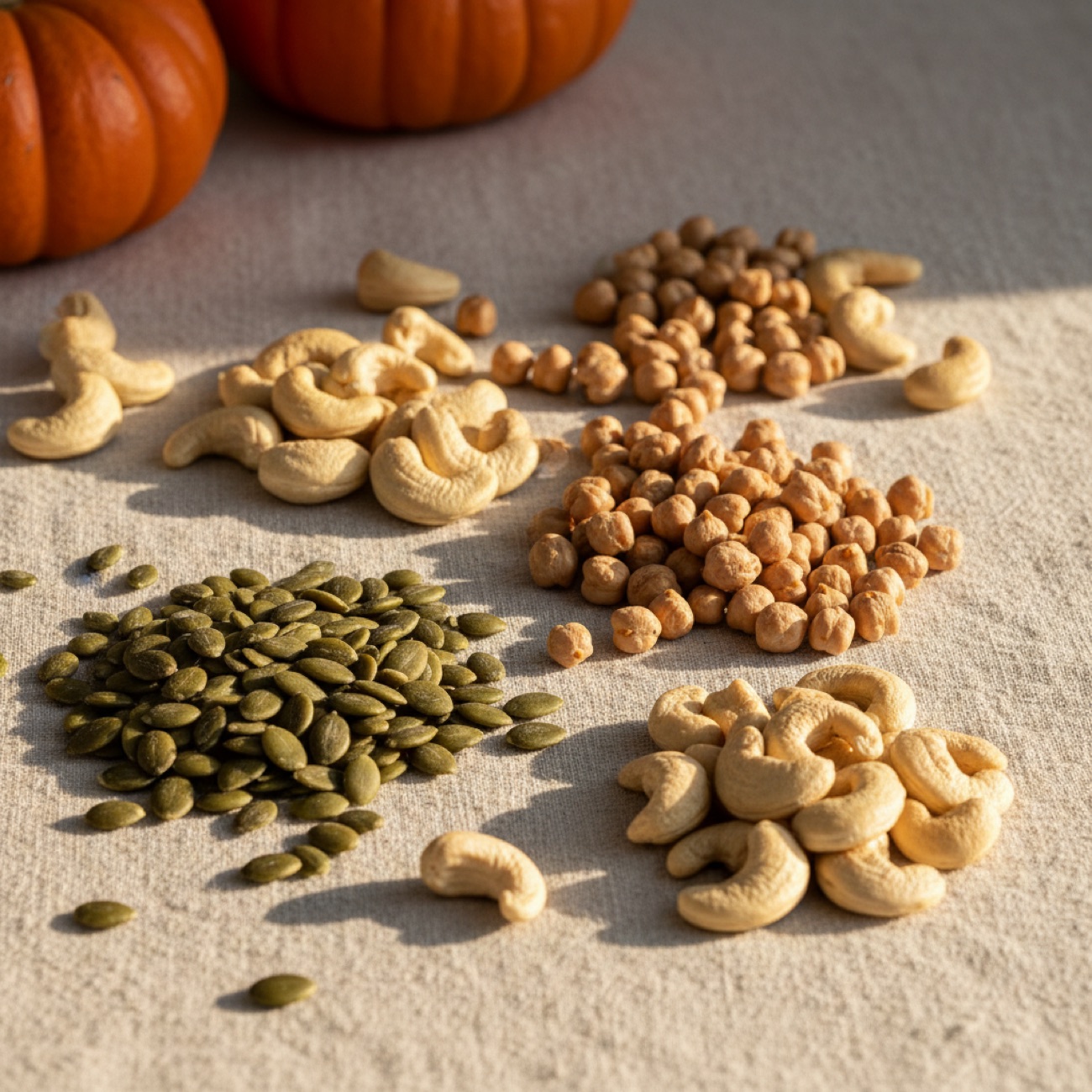
Zinc is an essential mineral that supports hundreds of enzymes, immune function, and DNA synthesis, but plant-based diets can make it harder for the body to absorb enough. Understanding why that happens, and what you can do about it, is the first step toward meeting your needs confidently.
Why Zinc Matters
According to the NIH Office of Dietary Supplements (ODS), zinc is required for the catalytic activity of hundreds of enzymes and plays a role in immune function, protein and DNA synthesis, wound healing, and cell division. The evidence supporting these physiological roles is graded as strong by the ODS. Zinc is not stored in a dedicated reserve in the body, which means a consistent daily intake is important for maintaining normal function.
Daily Targets and the Upper Limit
The NIH ODS reports the following Dietary Reference Intake values for adults:
- Men: 11 mg per day
- Women: 8 mg per day
- Tolerable Upper Intake Level (UL) for all adults: 40 mg per day from food and supplements combined
The UL of 40 mg per day is based on levels that adversely affect copper status. The ODS notes that doses of 50 mg or more per day over several weeks can reduce copper status and impair immune function. The UL does not apply to individuals receiving zinc for medical treatment under the care of a physician. Most people in the United States consume adequate amounts of zinc, according to the ODS, but vegetarians represent a group that may be at higher risk of falling short.
The Plant-Food Absorption Problem
The central challenge for vegetarians is not simply a lack of zinc-containing foods. It is a compound called phytic acid, or phytate, found naturally in legumes, whole grains, nuts, and seeds. Phytate binds to zinc in the digestive tract and reduces how much the body can absorb. This means that even when a plant-based meal contains a reasonable amount of zinc on paper, the amount actually entering the bloodstream may be considerably lower than the same quantity of zinc from animal sources such as meat or shellfish.
Because of this, some nutrition researchers and dietary guidelines suggest that vegetarians may benefit from aiming toward the higher end of the recommended range, though any personal target should be discussed with a clinician or registered dietitian who can review your full diet and health history.
Practical Ways to Improve Zinc Absorption from Plant Foods
Several food preparation techniques can help reduce phytate content and improve zinc bioavailability:
- Soaking: Soaking dried beans, lentils, and whole grains in water for several hours before cooking can lower their phytate content.
- Sprouting: Allowing seeds, legumes, or grains to sprout activates enzymes that break down phytate.
- Fermentation: Fermented foods such as tempeh and sourdough bread contain less phytate than their unfermented counterparts because microbial activity degrades the compound during fermentation.
- Leavening: Yeast-leavened breads tend to have lower phytate levels than unleavened flatbreads.
- Pairing strategies: Eating zinc-containing plant foods alongside sources of organic acids, such as lemon juice or vinegar, may offer a modest benefit by creating a more favorable environment for absorption.
None of these strategies eliminates phytate entirely, but combining several of them consistently can make a meaningful difference over time.
Good Plant-Based Sources of Zinc
While no plant food matches the bioavailability of oysters or red meat, several plant foods contribute meaningfully to zinc intake:
- Legumes: lentils, chickpeas, black beans, kidney beans
- Nuts and seeds: pumpkin seeds, hemp seeds, cashews, almonds
- Whole grains: oats, quinoa, brown rice, whole wheat bread
- Fortified foods: some breakfast cereals and plant-based milks are fortified with zinc
- Tofu and tempeh
Reading nutrition labels on fortified products is a straightforward way to track how much zinc they contribute to your daily total.
What the Research Says About Zinc Supplements
Zinc supplements are available in several forms, including zinc gluconate, zinc sulfate, and zinc acetate. If diet alone is not meeting your needs, a supplement may be worth discussing with your healthcare provider. Keep in mind that supplements are not intended to diagnose, treat, cure or prevent any disease and these statements have not been evaluated by the FDA.
The ODS evidence summaries note the following for specific health claims:
- Common cold duration: Supplemental zinc in lozenge or syrup form taken shortly after cold onset may reduce the duration, but not the severity, of common cold symptoms. Evidence is graded as limited.
- Age-related macular degeneration: AREDS-type supplements containing zinc plus copper and antioxidants slow progression of age-related macular degeneration in people at high risk of the advanced form. Evidence is graded as moderate.
- Diarrhea in children: Zinc supplementation reduces the duration of acute diarrhea in children in low-income countries. Evidence is graded as moderate.
- Type 2 diabetes and HIV: Evidence that zinc supplementation benefits people with type 2 diabetes or HIV is graded as insufficient by the ODS.
Drug Interactions and Safety Considerations
The ODS identifies several important interactions that vegetarians taking supplements should be aware of. Always talk to a doctor or pharmacist before combining zinc supplements with any medication.
- Quinolone and tetracycline antibiotics (such as ciprofloxacin): Zinc can inhibit absorption of both the antibiotic and the zinc itself. Take the antibiotic at least 2 hours before or 4 to 6 hours after the zinc supplement.
- Penicillamine (used for rheumatoid arthritis and Wilson disease): Zinc can reduce its absorption and action. Take zinc and penicillamine at least 1 hour apart.
- Thiazide diuretics such as chlorthalidone and hydrochlorothiazide: These medications increase urinary zinc excretion, which can decrease serum zinc concentrations.
- Iron supplements of 25 mg or more of elemental iron taken at the same time as zinc can reduce zinc absorption and plasma zinc concentrations. If you take both, spacing them apart is advisable.
A Note on Copper Balance
Because high zinc intake interferes with copper absorption, anyone taking a zinc supplement regularly should be mindful of the 40 mg daily upper limit. Long-term use above that threshold, or doses of 50 mg or more per day, can deplete copper and may impair immune function, according to the ODS. Some zinc supplements include a small amount of copper to offset this effect, but the appropriate balance for your situation is something a clinician is best placed to advise on.
Key Takeaways
- Adult zinc targets are 11 mg per day for men and 8 mg per day for women, with a 40 mg per day upper limit, per the NIH ODS.
- Phytate in plant foods reduces zinc bioavailability, making dietary planning more important for vegetarians.
- Soaking, sprouting, and fermenting plant foods can improve absorption.
- Supplementation may be appropriate for some people, but personal dosing decisions should be made with a clinician or pharmacist.
- Zinc interacts with several common medications, so always disclose supplement use to your healthcare team.
Sources
- S1.gov verifiedNIH Office of Dietary SupplementsZinc - Fact Sheet for Health Professionalsods.od.nih.gov/factsheets/Zinc-HealthProfessional/
- S2.gov verifiedNIH Office of Dietary SupplementsZinc - Fact Sheet for Consumersods.od.nih.gov/factsheets/Zinc-Consumer/
- S3.gov verifiedNational Academies of Sciences, Engineering, and Medicine (Institute of Medicine, Food and Nutrition Board)Dietary Reference Intakes for Vitamin A, Vitamin K, Arsenic, Boron, Chromium, Copper, Iodine, Iron, Manganese, Molybdenum, Nickel, Silicon, Vanadium, and Zincnap.nationalacademies.org/catalog/10026/